
Quick take
- Lisbon’s craft beer scene is neighborhood-based — pick one cluster and settle in.
- Marvila and the east-side warehouse districts are a natural fit for tastings.
- Keep it simple: 1–2 stops max, then dinner.
- Beer nights are best on a medium-energy day (not after a huge hill marathon).
- Pair with street art and modern Lisbon for a great contrast day.
- Plan your ride home — late-night Lisbon is smoother with a simple return.
The craft beer approach that works in Lisbon
Craft beer is most fun when it stays relaxed. Choose a neighborhood cluster, do one or two tastings, then eat. That’s the whole plan, and keeping it that simple is what makes the night feel like a treat rather than a chore.
If you try to turn beer into a crawl across steep districts, you’ll spend the night commuting instead of enjoying it.
- Keep it to 1–2 tasting stops.
- Add one meal stop (petiscos works especially well).
- Finish with a short walk or a calm viewpoint — not another transit mission.
Where to base your craft beer night
Lisbon’s beer scene often feels most coherent in the east-side creative districts. It’s also an easier part of the city to walk without constantly climbing.
- East-side creative: Beato + Marvila for warehouse vibes and tasting-friendly pacing.
- Creative cluster: Alcântara / LX Factory for browsing + drinks + food options.
- Central alternative: keep it to one stop near your dinner neighborhood.
A perfect craft beer night plan
If you want the night to feel like Lisbon (not like logistics), keep it tight: one neighborhood, one or two tastings, one meal, one calm ending.
- Afternoon: street art / warehouse browsing → tastings.
- Night: petiscos dinner → short walk → home.
 Street art guidePair tastings with a creative exploration day.
 Getting aroundLate-night movement strategies that keep things easy.
Safety and pacing (so it stays fun)
Most craft beer nights go wrong in one of two ways: too many stops or a complicated route. Keep it simple and you’ll keep it enjoyable.
- Don’t try to ‘collect’ places — pick quality, not quantity.
- Eat while you drink. Your tomorrow self will thank you.
- Plan your return route before you’re tired.
The Lisbon beer landscape (lager vs craft)
It helps to know what you’re ordering. Portugal’s default beer is crisp, pale lager — the big national brands dominate cafés and restaurants, and ordering ‘uma imperial’ gets you a small draught lager, the everyday Lisbon pour (a larger glass is ‘uma caneca’). That mainstream beer is light, cheap and refreshing, and perfectly good with a plate of petiscos on a hot afternoon. It is not, however, what most people mean by craft beer.
Over the past decade a genuine Portuguese craft scene has grown alongside it — independent microbreweries making IPAs, stouts, sours and seasonal brews, served in dedicated taprooms and beer-focused bars rather than ordinary cafés. To find it you usually have to seek it out deliberately. The two worlds coexist happily: order an imperial when you just want a cold beer, and head to a taproom when you want range and a tasting flight.
- Default: crisp lager — ‘uma imperial’ is a small draught, ‘uma caneca’ a larger glass.
- Mainstream beer is cheap, light and fine with petiscos — but it isn’t craft.
- The craft scene (IPAs, stouts, sours) lives in dedicated taprooms you seek out.
 Food & drink overviewWhere beer sits among Lisbon’s wider drinking culture.PetiscosThe small-plates format that pairs best with a few beers.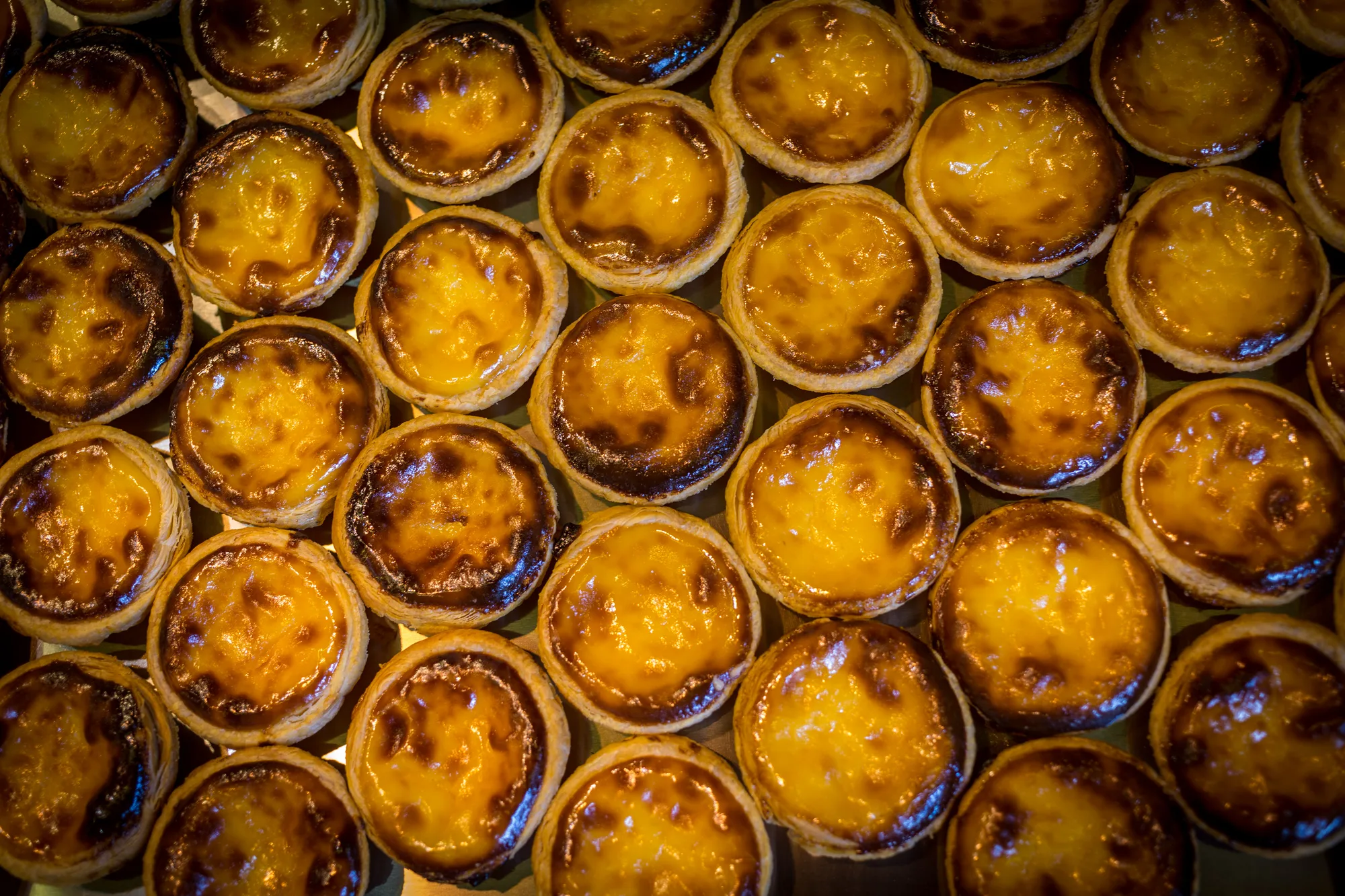
Where the scene clusters
Lisbon’s craft beer scene leans toward the eastern creative districts, especially Marvila, where former warehouses have become breweries and taprooms — it’s become enough of a thing that people talk about a Marvila beer cluster. Neighbouring Beato shares the same industrial-reinvention character. These flat, ex-industrial streets suit the format: big spaces, room for tanks, and an easy, un-touristy atmosphere. The trade-off is that they’re a way out from the centre, so a beer night there is a deliberate plan rather than a stumble-upon.
Closer in, the LX Factory complex in Alcântara — a creative cluster under the 25 de Abril bridge — has bars and food alongside its shops and is an easy central-ish option, and individual craft bars and bottle shops are scattered through the more central neighbourhoods too. Because microbreweries and taprooms open, move and close more than established restaurants, the smartest move is to check current listings or a beer app before you commit, and to confirm opening hours, which often skew to afternoons and weekends.
- Main cluster: Marvila (warehouse breweries and taprooms) and neighbouring Beato.
- Central-ish alternative: LX Factory in Alcântara, under the bridge.
- Individual craft bars and bottle shops dot the central neighbourhoods.
- Check current listings and hours — taprooms change and often open afternoons/weekends.
What to order and how to taste it
Portuguese craft brewers make the full modern range — hop-forward IPAs and pale ales, dark stouts and porters, tart sours and fruit beers, lighter session brews, and rotating seasonals — so a good taproom is a chance to explore rather than default to a lager. The simplest way in is a tasting flight: a row of small pours that lets you compare styles and find what you like without committing to a full glass of something unfamiliar. If flights aren’t offered, ask the staff for a couple of contrasting recommendations; people in these places tend to be enthusiasts happy to guide you.
Pace and pairing matter more than coverage. These beers are often stronger and more intense than everyday lager, so a flight plus one full glass is plenty for most people, and eating alongside keeps the night enjoyable — petiscos, a burger, or whatever food the taproom serves. Many breweries also sell bottles and cans to take away, which is a nice, low-effort souvenir to carry home or back to your room. Keep the plan to one or two venues, eat while you drink, and sort your way home in advance, since the brewery districts are out east and the Metro stops around 01:00. If you’d rather not travel out to the eastern clusters at all, a single craft bar or bottle shop nearer the centre, slotted into an ordinary evening, is a perfectly good way to taste the scene without making a whole night of logistics.
- Expect IPAs, pale ales, stouts, sours, fruit beers and seasonals — explore beyond lager.
- Order a tasting flight, or ask staff for a couple of contrasting pours.
- Craft beers run strong — a flight plus one glass is plenty; eat alongside.
- Many breweries sell bottles/cans to take away; plan your ride home (Metro ends ~01:00).
The brewery district — and a historic beer hall
Lisbon's craft-beer scene is young and shifts fast, but its centre of gravity is durable: Marvila, the old riverside industrial district that is now the city's brewery quarter, with taprooms clustered in converted warehouses. Dois Corvos was the first brewery to open there and runs a large Marvila taproom pouring its own beers; other Marvila breweries (Musa among them) have come and moved, so it's worth checking which taprooms are open before a crawl.
For the historic end of the spectrum, Cervejaria Trindade in Chiado — a tiled former convent that bills itself as Lisbon's oldest beer hall, trading since 1836 — is where the city drank beer long before the craft wave. Pair a Marvila afternoon with the district's street art and you have a full outing; just confirm current taproom hours, since they change with the seasons.
- Marvila: the riverside brewery district — plan a taproom crawl there.
- Dois Corvos: the first brewery in Marvila, with a large taproom.
- Cervejaria Trindade (Chiado): the historic beer hall, trading since 1836.
- Taprooms open and move — check current hours before you go.
Marvila guideThe riverside brewery district and how to plan an afternoon there.Street art in LisbonThe murals that pair with a Marvila taproom crawl. Best bars in LisbonWhere to drink beyond the breweries.
Sources
- Dois Corvos Brewery (official) ↗
The first craft brewery in Marvila, with its Lisbon taproom.
Where it is
LX Factory
A creative Alcântara complex for browsing, street art, cafés, and a modern-Lisbon afternoon vibe.
Map pins
Map data © OpenStreetMap contributors · Tiles © OpenFreeMap


