
Quick take
- Choose one day trip for a shorter trip; two for a longer stay.
- Sintra is the fairytale classic: palaces, forests, and dramatic scenery.
- Cascais is the easy coastal reset: beaches, ocean air, and a walkable town.
- For a quick half-day, cross the river to Cristo Rei for big views back toward Lisbon.
- Start early — day trips are calmer before the late-morning wave.
- Keep the rest of the day light: day trips are already a full plan.
- If you want zero stress, pick the simpler option (often Cascais).
How to choose the right day trip
The best day trip depends on your travel mood. If you want castles and drama, go to Sintra. If you want easy coastal air and relaxed walking, go to Cascais.
If you’re visiting as a couple, ask one question: do we want romance as scenery (Sintra) or romance as pace (Cascais)? Both can be romantic — in different ways.
- Choose Sintra for: palaces, gardens, dramatic views.
- Choose Cascais for: coast, beaches, relaxed town energy.
- Choose Cristo Rei for: a quick, low-stress viewpoint half-day across the river.
- Choose neither if: you only have one day in Lisbon (stay in the city).


Day trips map (see what’s close)
Lisbon’s best day trips aren’t all in one direction. Some are quick coast resets; others are deeper-history days inland. This map helps you choose based on geography and vibe — not just hype.
Tap a pin to open the relevant guide.
Map pins
Map data © OpenStreetMap contributors · Tiles © OpenFreeMap
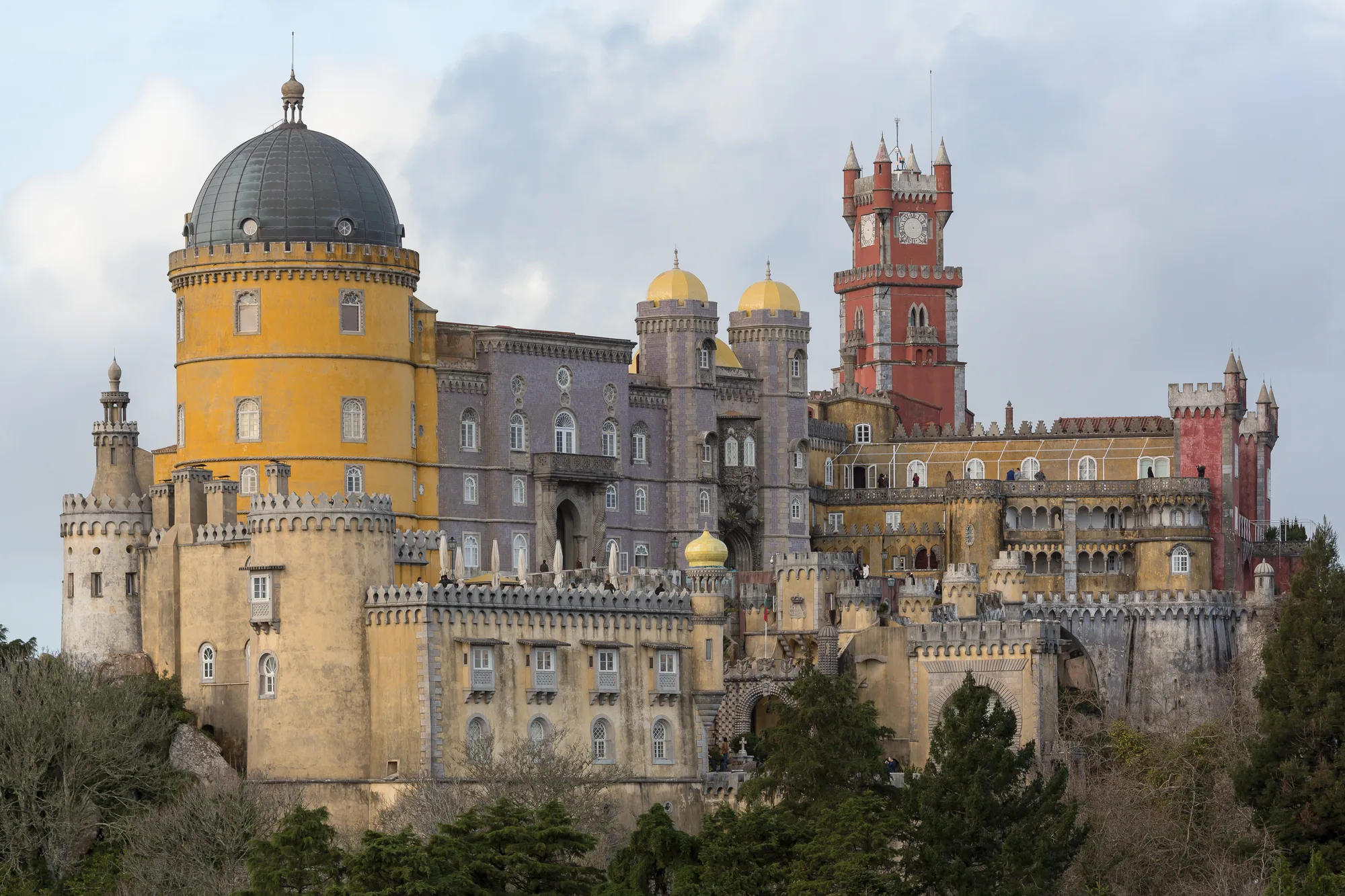
Sintra: palaces, gardens, and fairytale atmosphere
Sintra is one of Portugal’s most famous day trips: cooler air, lush gardens, and a concentration of palaces and historic sites. It can also be crowded, so planning and timing matter more here than in most Lisbon outings.
The simplest way to enjoy Sintra is to choose fewer sites and give them more time. Two major stops can already fill a full day.
- Best for: architecture lovers, dramatic scenery, and classic ‘wow’ moments.
- Watch out for: crowds, hills, and time lost in transit between sites.

Cascais: the easy coastal reset
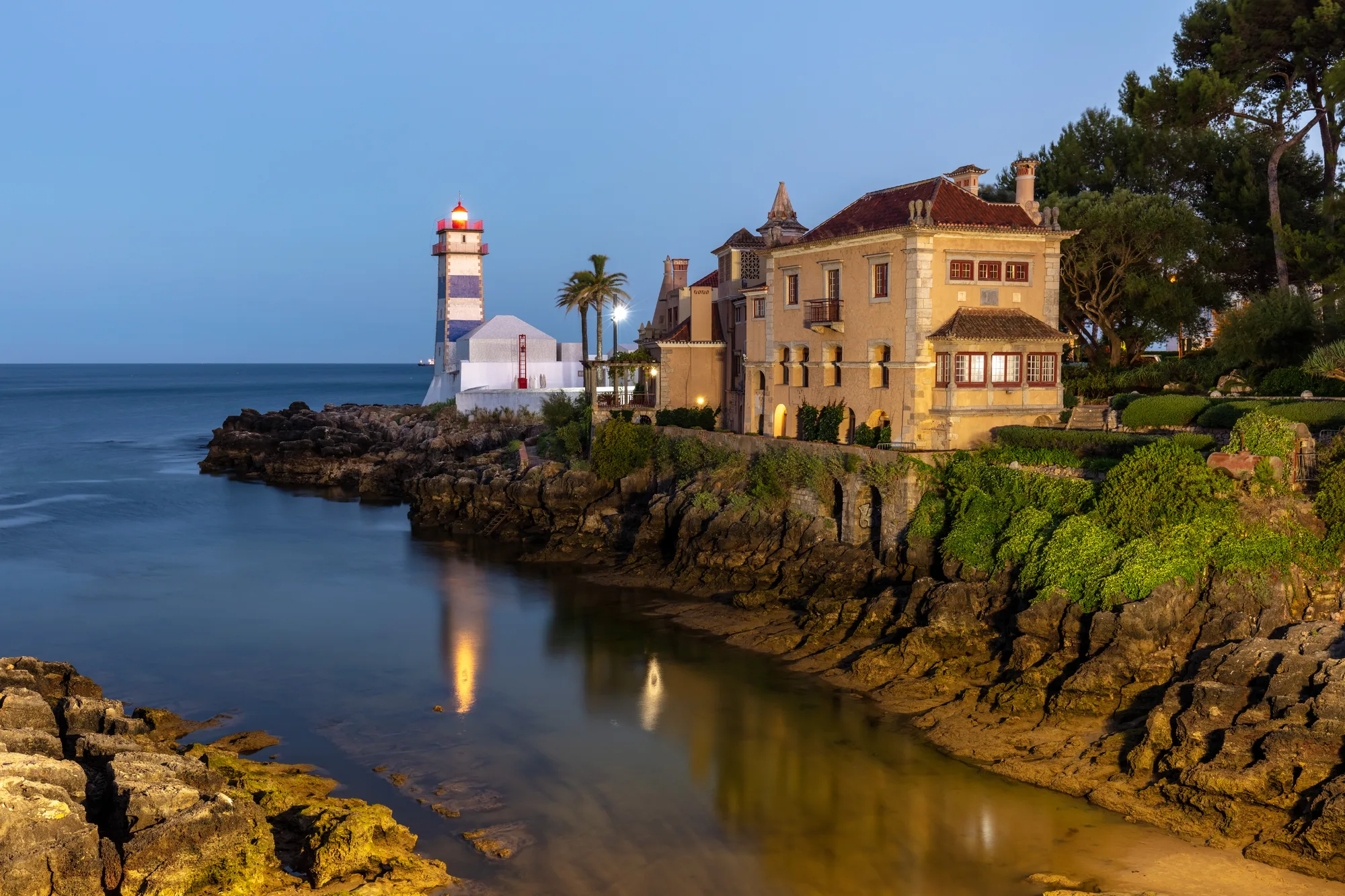
Cascais is the calm, breezy counterpoint to Lisbon’s hills: a seaside town with beaches, promenades, and an easy rhythm. It’s also one of the simplest day trips logistically.
If you want a low-stress day trip where you can still feel like you’re on vacation, Cascais is the move.
- Best for: beach time, ocean air, relaxed walking, and simple logistics.
- Perfect after: a big Alfama/Graça day or a museum-heavy day in Lisbon.
Other excellent day trips (calmer, different vibes)
Lisbon isn’t a one-day-trip city — it’s a region. If you have 5–7 days, adding one calmer day trip can make the whole week feel more spacious.
Choose the vibe first (small town, surf, seafood, quiet culture), then pick the destination that matches it.
- Quiet culture day: Mafra (grand architecture, calmer pacing).
- Small-town charm day: Óbidos (slow walking, photos, a different rhythm).
- Surf-town coast day: Ericeira (ocean air and horizon reset).
- Beach + seafood day: Sesimbra or Setúbal (easy ‘lunch by the water’ energy).
- Nature-and-coves day: Arrábida (dramatic scenery and turquoise coves).
- Longer-history day: Évora (deep culture, Alentejo vibe).
Day trip timing: the best simple rules
Day trips work best when you accept that they are the day. Don’t schedule a heavy Lisbon evening afterward unless you’re the kind of traveler who thrives on motion.
Start early, build in a long lunch, and return to Lisbon with one calm plan: a sunset walk, a simple dinner, or a quiet drink.
- Start early. Return before you’re exhausted.
- Keep your Lisbon evening light: viewpoints, riverside, or a local neighborhood dinner.
How to get to each day trip (trains, buses, ferries)
Most of Lisbon’s best day trips are reachable without a car, which keeps them simple. The two classics run on the CP urban rail network: Sintra by train from central stations, and Cascais by train from the riverfront hub at Cais do Sodré, a scenic line that hugs the coast. For the south bank — Cristo Rei in Almada — you cross the Tagus by ferry to Cacilhas and continue from there, a short, cheap, and genuinely enjoyable crossing.
Some destinations lean on regional buses or longer rail journeys: Óbidos and Mafra to the north, the coast at Ericeira, and the Setúbal peninsula with Sesimbra and the Arrábida nature park. Évora, deeper inland in the Alentejo, is a longer rail or coach day best suited to a slower itinerary. Train, bus, and ferry timetables all change, so check the official operators close to travel — but the broad shape (trains for Sintra/Cascais, ferry for Cristo Rei, buses/regional rail for the rest) is reliable.
- Sintra: CP train from central Lisbon stations.
- Cascais: CP train from Cais do Sodré along the coast.
- Cristo Rei (Almada): ferry across the Tagus to Cacilhas, then onward.
- Óbidos, Mafra, Ericeira, Sesimbra, Setúbal: regional buses or longer rail.
- Évora: a longer rail/coach day — best on a slower trip. Verify timetables officially.
Which day trip suits which trip length
How many day trips to take depends on how long you’re in Lisbon, and the honest answer is: fewer than you might want. On a short trip (one to three days) the city itself deserves the time, so skip day trips entirely or, at most, do a single half-day like Cristo Rei that doesn’t cost you a full day. The classic full-day trips really start to make sense from four days onward.
With four or five days, add one big day trip — Sintra for drama, Cascais for ease — and balance it with a slow city day. With six or seven, you can comfortably do two day trips of different characters (say, Sintra and a quieter inland or coastal town) and still have unhurried time in the neighborhoods. The mistake is treating Lisbon as a base from day one; give the city its due first, then range outward.
- 1–3 days: stay in the city (or only a half-day like Cristo Rei).
- 4–5 days: one big day trip (Sintra or Cascais) + a slow city day.
- 6–7 days: two contrasting day trips, with city time to spare.
- Don’t over-do it — day trips are full days, not add-ons.


