Quick take
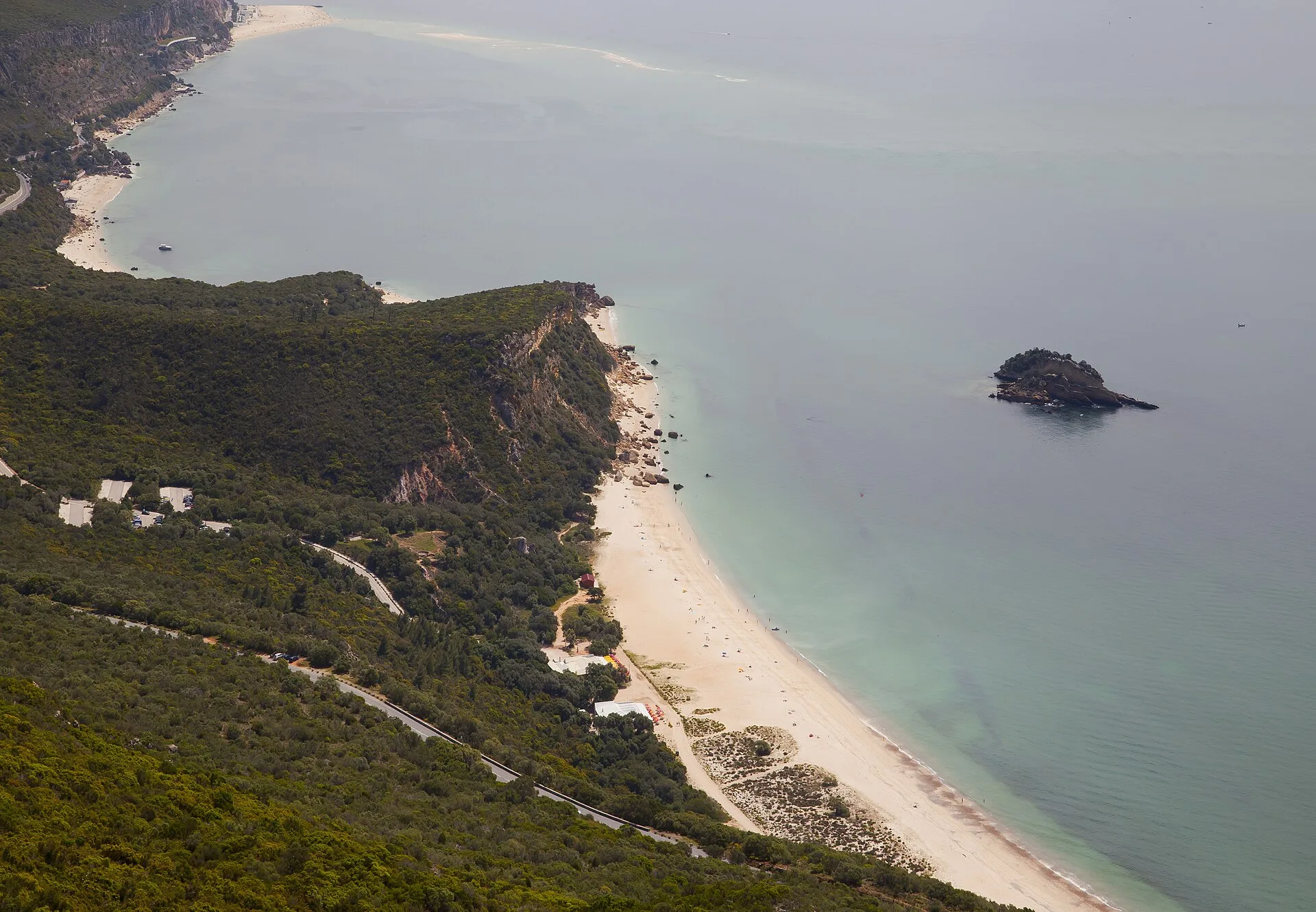
- Arrábida is for scenery: dramatic hills dropping into coves and clear water.
- Treat it as a full day — nature trips aren’t ‘quick add-ons’.
- Start early to keep transport and beach time relaxed.
- Pack water, sun protection, and a light layer for coastal wind.
- Keep the Lisbon evening simple after you return.
- Best paired with longer trips (4–5 days) so you’re not rushed.
Why choose Arrábida over Sintra or Cascais?
Sintra is palaces and drama; Cascais is easy coastal calm; Arrábida is nature-and-coast scenery with a wilder feel. If you want a day that feels like a landscape shift rather than a town shift, Arrábida is a strong choice.
It’s best for travelers who love beaches, viewpoints, and slower nature pacing.
A simple Arrábida day plan
Keep the plan simple: travel, one main beach/cove area, a long lunch, then a scenic viewpoint stop if you have energy. Don’t try to do ten micro-stops — it turns the day into transit.
- Morning: head out early and choose one beach/cove zone to commit to.
- Midday: long lunch (preferably seafood) and shade.
- Afternoon: optional scenic viewpoint stop, then return.
 Packing listSun, layers, shoes — what matters for outdoor days.
 Safety tipsCommon-sense guidance for crowded transit and tired legs.
What to bring (and what to skip)
Beach-and-nature days are better when you pack lighter than you think. Prioritize sun protection, water, and one layer for wind — then keep everything else minimal.
- Bring: water, sunscreen, a towel, and a light layer.
- Skip: too much gear — it makes the day heavier and less fun.
What Arrábida actually is
The Serra da Arrábida is a limestone mountain ridge that runs along the coast south of the Tagus, on the Setúbal peninsula. It’s protected as a natural park (Parque Natural da Arrábida), and its signature is the contrast between green, scrub-covered hills and a string of sheltered, pale-sand coves with strikingly clear, turquoise water — a different kind of coast from the windswept Atlantic beaches west of Lisbon.
The famous beaches here — names like Portinho da Arrábida and Galápos — sit in calm, south-facing bays beneath the mountain, which is why the water is so clear and the swimming so gentle compared with the open ocean. The setting, with the ridge dropping almost straight to the sea, is genuinely dramatic, and the area is also known for its monastery ruins and clifftop viewpoints.
It’s less of a ‘town’ day trip and more of a ‘landscape’ one. The nearest base town is Setúbal, a working port known for its seafood (especially fried cuttlefish), with the village of Sesimbra on the peninsula’s other side. Many visitors combine Arrábida with one of these.
- A protected limestone ridge and natural park south of the Tagus.
- Sheltered, south-facing coves with clear, calm, turquoise water.
- Nearest bases: seafood-famous Setúbal and the village of Sesimbra.
Getting to Arrábida (and why it needs planning)
Arrábida is the least ‘turn up and go’ of Lisbon’s classic escapes, because the coves themselves are not on a train line. The peninsula is reached by crossing the Tagus — typically over one of the road bridges by bus or car — toward Setúbal, which is connected to Lisbon by bus and by train. From Setúbal or Sesimbra, you then need a local bus, taxi, or car to reach the park’s beaches, and seasonal access restrictions can apply to the most fragile coves in peak summer.
Because of that last-mile complexity, many travellers visit Arrábida by car or on an organised tour, which removes the connection-juggling. If you’re going independently, build in extra time, check current transport options and any seasonal access rules before you set out, and don’t treat it as a quick half-day — it isn’t.
Schedules, fares, and any beach-access limits change with the season, so they’re worth a check on official sources close to your travel date.
- The coves aren’t on a rail line — expect a multi-step journey.
- Cross to Setúbal/Sesimbra, then a local bus, taxi, or car to the beaches.
- Often easiest by car or organised tour; check seasonal access rules first.
 Day trips without a carHow car-free travellers can approach trickier escapes like this.Getting aroundHow Lisbon’s transport connects to the wider region.
Who Arrábida is best for
Arrábida is the day trip for travellers who prioritise nature, swimming in clear water, and dramatic scenery over towns and monuments. It’s ideal in warm weather and on a longer trip (four or five days), when you can afford a full day out and a relaxed pace. Couples and beach lovers tend to love it; it’s also rewarding for hikers and viewpoint-chasers thanks to the clifftop roads and trails.
It’s less suited to a first short visit, where Sintra or Cascais offer more for less logistical effort, and it’s weather-dependent — a grey, windy day undercuts the whole appeal. If your heart is set on those turquoise coves, give it a sunny day, plan the transport carefully, and pair it with a long seafood lunch in Setúbal.
- Best for: nature lovers, swimmers, couples, longer and warm-weather trips.
- Less ideal for: short first visits or grey, windy days.
- Pair with a seafood lunch in Setúbal to round out the day.

A realistic Arrábida day, start to finish
The most satisfying Arrábida day is unhurried and beach-led. Set out early to beat both the traffic over the bridge and the midday sun, and commit to one cove or beach zone rather than trying to sample several — the appeal is in settling into the clear water and the dramatic backdrop, not in ticking off locations. Bring water, sun protection, and a towel, and remember the south-facing coves can fill up on summer weekends, which is another reason to arrive early.
Build in a long, late lunch — ideally fresh seafood in Setúbal, famous for its fried cuttlefish (choco frito) and its fish, or in the village of Sesimbra. After lunch, if you have energy, drive or ride the scenic clifftop road for the big viewpoints over the bays before heading back. Keep the return relaxed and the Lisbon evening simple; a full day in the sun and on the road is plenty.
If you prefer to avoid logistics entirely, an organised tour bundles the transport, the best coves, and often a wine or seafood stop — a fair trade for the convenience on a trip where every connection would otherwise need planning.
- Go early; commit to one beach/cove rather than hopping around.
- Long, late lunch — seafood in Setúbal (try choco frito) or Sesimbra.
- Optional clifftop viewpoints after lunch; keep the evening back in Lisbon simple.
- An organised tour removes the connection-juggling if you’d rather not plan it.
- Best on a sunny day and a longer trip — it’s weather-dependent and full-day.

