
Quick take
- Do the classic trio (center + Alfama + Belém), then add 2 flexible days.
- Best add-ons: one day trip (Sintra or Cascais) + one slow neighborhood day (gardens + cafés).
- Add modern Lisbon (Parque das Nações) if you want an easy walking reset.
- This is a great trip length for couples: slow rituals + golden hour daily.
- Don’t schedule five heavy days — keep at least one intentionally light.
- Use cafés and parks as real activities, not filler.
Why 5 days works so well
At five days, you can stop rushing and still feel like you’ve ‘done Lisbon’. That’s when the city becomes most enjoyable: slow mornings, deliberate golden hours, and one or two day trips that expand the experience beyond the hills.
Three days is enough for Lisbon’s classic shape; the extra two days are what turn a tour into a stay. You get the central core, the old hills, and the Belém riverfront — and then room for a full day trip and a slow neighbourhood day, without ever feeling like you’re racing the clock. It’s an ideal length for couples, slower travellers, and anyone who wants the city to feel familiar by the end.
The trick at five days is restraint. The temptation is to fill the extra time with more sights; the reward is to fill it with more depth — lingering at a viewpoint, a second visit to a neighbourhood you loved, an unplanned afternoon. Lisbon repays slowness.


A simple 5-day outline (classic + flexible)
Use this as a structure and swap days based on weather. Do Belém on your clearest day, because the riverfront and monuments are best in good light. Do museums and markets on your hottest or rainiest day, where they double as climate shelter. Do the day trip early in the trip if you have the energy, or in the middle as a deliberate break between city days.
The outline below is the dependable default — the classic three-day core, then a day trip, then a slow neighbourhood or modern-Lisbon day. None of it is fixed: the only rules that really matter are one anchor per day, one slow block, one golden hour, and at least one genuinely light day across the five.
- Day 1: Baixa + Chiado + sunset viewpoint.
- Day 2: Alfama + Graça + fado (optional).
- Day 3: Belém + riverfront + pastry ritual.
- Day 4: Day trip (Sintra or Cascais).
- Day 5: Slow neighborhoods (Príncipe Real / Estrela) or modern Lisbon (Parque das Nações).
Where to add extra depth without extra stress
Five days doesn’t mean five big lists. Add depth by choosing one theme per day: viewpoints, tiles, food, or modern architecture — and keep everything else flexible.
A tile-and-azulejo theme is one of the most rewarding. Glazed tiles are a defining feature of Lisbon, covering façades, churches, fountains, and metro stations across the city. (The national tile museum, Museu Nacional do Azulejo, is closed for renovation with reopening expected in 2026 — check the official site; meanwhile the city itself is an open-air tile gallery.) A food theme could be a market morning, a seafood lunch, and a wine-bar evening. A modern-architecture theme could pair the riverfront museums of Belém with Parque das Nações.
Save museums and indoor blocks for your hottest or rainiest day — they double as climate shelter — and protect the river day (Belém) for clear weather and good light. That single scheduling instinct, building each day around weather and one theme, is what keeps five days feeling effortless.
 MuseumsAzulejos, art, and modern riverfront spaces.
 Food & drinkA practical eating plan: pastries, seafood, petiscos, markets.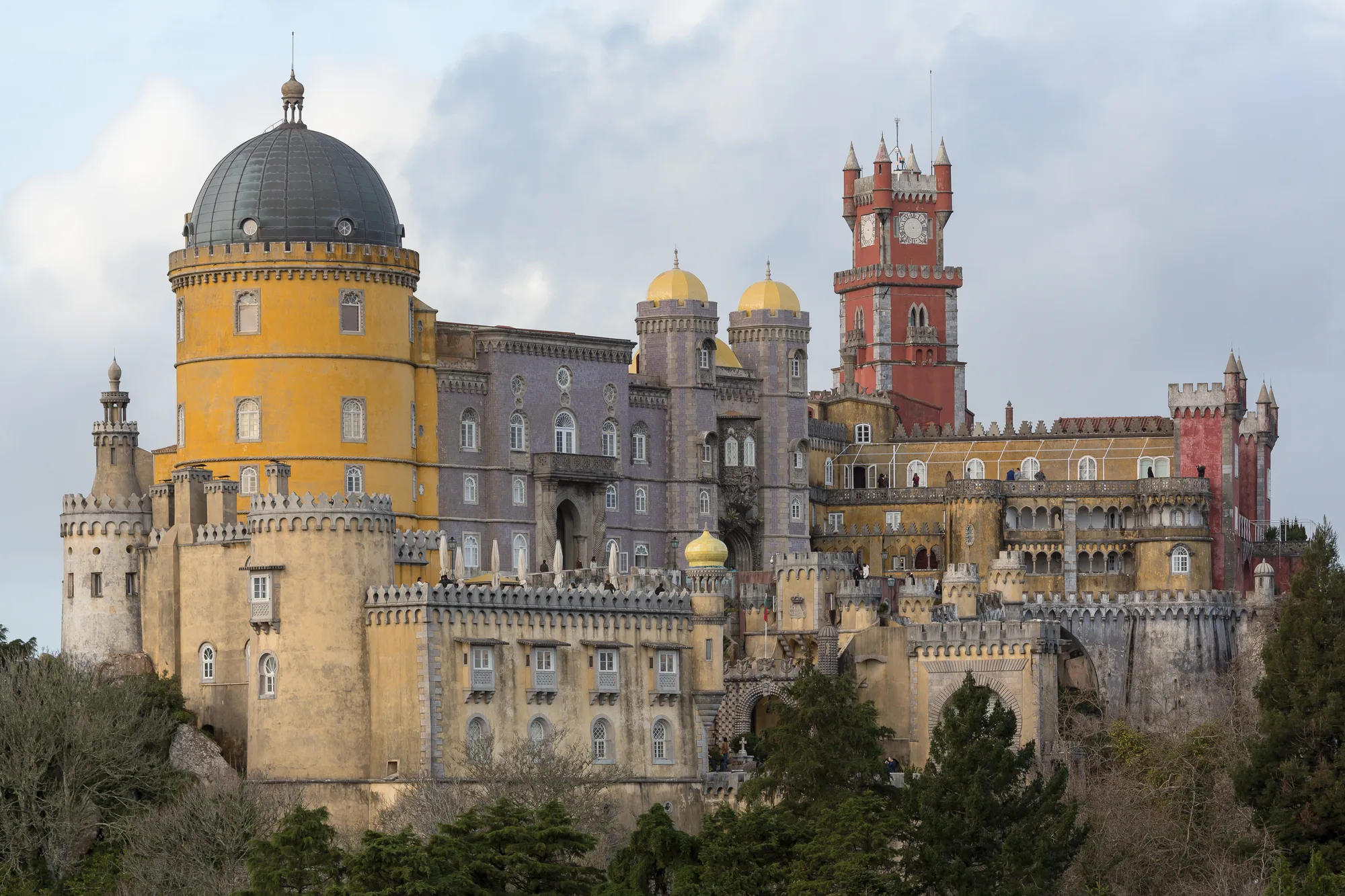
Days 1–3: the classic core, then breathing room
The first three days are the same dependable backbone that anchors any longer Lisbon trip — and at five days you can do them more slowly, with real café time rather than rushing between sights. Day 1 is gentle orientation in flat Baixa (the Pombaline grid rebuilt after the 1755 earthquake) and Chiado, finishing with an easy riverside or viewpoint sunset. Day 2 is old Lisbon: start high in Graça for the panoramas, drift down through Alfama, the oldest district, and let the evening be slow, with optional fado. Day 3 is Belém — the UNESCO monuments (Jerónimos Monastery and Belém Tower), a long riverside walk, and the pastry ritual.
Because you have five days, you don’t need to cram. Keep each of these days to one anchor, one slow block, and one golden hour, and let the extra time become lingering rather than extra stops. That restraint is what makes five days feel like a holiday instead of a sprint.
- Day 1: Baixa → Chiado → riverside or viewpoint sunset.
- Day 2: Graça viewpoints → Alfama → optional fado.
- Day 3: Belém monuments → riverside → pastel de nata.
- Slower is the point — five days means lingering, not more checkboxes.

Day 4: choose your day trip (and do it justice)
With five days you can spend a whole day outside the city without guilt. The two easiest choices are Sintra and Cascais, both reachable by CP train with no car. Sintra trains generally leave from Rossio; Cascais trains from Cais do Sodré. Each is roughly 40 minutes, with a single adult fare of €2.55 (CP) on a navegante card.
Sintra is the “wow” day: palaces scattered across forested hills, a cooler microclimate, and real crowds — so start early, pick two or three priorities, and accept you won’t see it all. Cascais is the calm day: step off the train, walk to the sea, take a long lunch, and let it be a recovery day from Lisbon’s hills. If neither appeals, Évora offers a slower, historic Alentejo city, and the Arrábida coast offers dramatic coves — both deserve a full day too.
Whatever you choose, protect it: don’t bolt a heavy Lisbon evening onto the end of a long day out. Come back, eat simply, and rest. A day trip is its own full day — treat it as the anchor of your fifth-day energy, not an extra you squeeze in.
If you have the appetite for two outings across five days, you can pair contrasting moods — Sintra’s palaces and Cascais’s coast, for instance — but only if you’re willing to trade the slow neighbourhood day for it. For most travellers, one day trip plus a calm city day is the more satisfying balance.
- Sintra (Rossio): palaces and drama — start early, expect crowds, pick a few.
- Cascais (Cais do Sodré): flat, coastal, easy — a recovery day.
- Alternatives for the curious: Évora (history) or the Arrábida coast (nature).
- It’s worth confirming CP timetables and fares first; keep the evening after a day trip light.
Day 5: a slow neighbourhood (or modern, flat Lisbon)
The fifth day is where most people finally relax into the city. Skip the monuments and choose a neighbourhood that feels lived-in: leafy Príncipe Real, calm Estrela with its garden and basilica, residential Campo de Ourique with its market, or genteel Lapa. Build the day around a long lunch, a café, a park, and a gentle walk — Lisbon as a place to live, not just to tour.
These slower districts are where the city stops performing for visitors and simply gets on with daily life: local cafés, neighbourhood markets, quiet squares, and streets you can wander without crowd-navigation. After four days of hills, monuments, and a day trip, a day like this is the one many travellers remember most fondly — and it’s a chance to revisit anything you loved earlier, slowly.
If you’d rather keep moving but stay flat, Parque das Nações is the modern counterpoint: wide riverside promenades, contemporary architecture from Expo ’98, a cable car over the Tagus, and the Oceanário aquarium — an easy, sunny pace that’s a relief after the old hills. Either way, end the trip the way it began — a golden hour somewhere with a view, and an unhurried dinner nearby.
- Slow option: Príncipe Real / Estrela / Campo de Ourique / Lapa — café, market, park, walk.
- Flat-and-modern option: Parque das Nações riverside promenades.
- End with a final golden hour and a relaxed dinner close by.
Where to stay for a five-day trip
For five days, a central, well-connected base pays off because you’ll come and go a lot — out to a day trip, back for a slow evening, up to a viewpoint at sunset. Baixa and Chiado are the easiest all-rounders: flat-ish, central, walkable to dinner, and close to the metro and to Rossio and Cais do Sodré stations for your day trips.
If you’d rather a calmer, more residential feel without losing convenience, Príncipe Real, Estrela, Lapa, and Avenidas Novas all work well for longer stays — quieter nights, leafy streets, and an easy ride or walk into the action. Alfama and Graça are the most atmospheric (and the steepest); over five days the stairs add up, so weigh the romance against the climb. On a longer trip you can even split your stay — a few central nights, then a few quiet ones — to experience two sides of the city.
- Easiest all-rounder: Baixa or Chiado, near stations for day trips.
- Calm and residential: Príncipe Real, Estrela, Lapa, Avenidas Novas.
- Most atmospheric but steep: Alfama or Graça — mind the daily stairs.
 Best areas to stayAn honest base guide by neighbourhood and travel style.Avenidas NovasA calmer, modern base option that suits longer stays.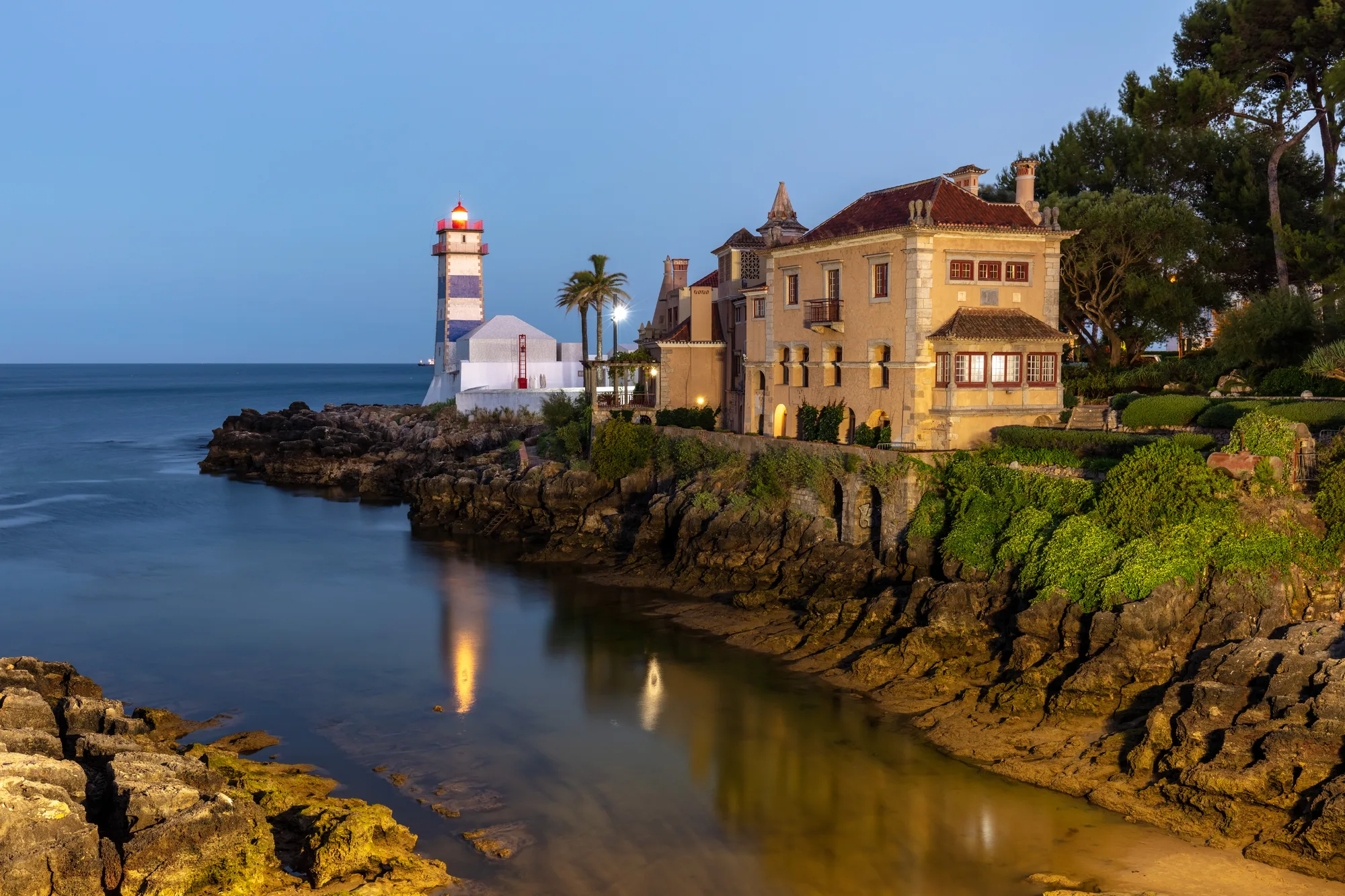
Eating across five days (and pacing the trip)
Five days is enough to eat Lisbon properly. Spread the classics so nothing feels forced: a near-daily espresso-and-pastel-de-nata ritual, one serious seafood or bacalhau (salt cod) dinner, a petiscos lunch, a market food-hall graze, and one or two slow booked dinners. Lisbon eats late — kitchens get lively from around 20:00 — so go early if you want a quiet table after a tiring day.
Use food as pacing, not just sustenance. A long market lunch is a perfect low-effort activity on a hot afternoon or after a day trip; a ginjinha (sour-cherry liqueur) in the old centre is a tiny, classic ritual; a wine bar is a calm evening that doesn’t turn into a late night. Over five days you’ll naturally find a rhythm — and the single most important rule is to keep at least one day genuinely light, usually around your day trip, which is its own kind of full.
If the plan ever feels tight, the fix is the same as on any Lisbon trip: fewer stops, less uphill walking, more sitting still somewhere beautiful. Five days gives you the luxury of doing exactly that.
- Across five days: pastries daily, one seafood dinner, a petiscos lunch, a market graze, one or two booked dinners.
- Use long lunches and markets as low-effort activities on tired or hot days.
- Keep at least one day light — a day trip already counts as a full day.

Getting around for five days (transit and trains)
Over five days a single rechargeable Viva Viagem / Navegante card per traveller is the simplest approach: it covers metro, buses, trams and funiculars, and the same card system extends to the CP suburban trains you’ll use for Sintra or Cascais. Top up as you go and check current fares rather than budgeting from old figures.
Within the city, walk the historic core and use the metro (roughly 06:30–01:00; verify before late nights) to cross town, the funiculars and Santa Justa lift to climb, and ferries across the Tagus to Cacilhas/Almada if you fancy a Cristo Rei viewpoint excursion. Ride Tram 28 once for the scenery — early or late, pockets watched — and don’t rely on it as transport.
- One rechargeable transit card covers city transport and feeds into CP trains.
- Metro to cross town; funiculars/Santa Justa to climb; ferries for the south bank.
- Tram 28: a single scenic ride, not a commute; mind pickpockets.

5 days in Lisbon FAQ
Common questions for a five-day visit.
- Is five days too long for Lisbon? Not if you pace it. Five days lets you add a day trip AND a slow neighbourhood day without rushing the core — ideal for couples and relaxed travellers.
- Can I fit two day trips in five days? Yes, if you’re happy to trade the slow neighbourhood day — for example Sintra and Cascais, or Sintra and Évora. Just keep one day genuinely light.
- Do I need a car for five days? No. The city is walkable plus metro, and the day trips run by CP train.
- How should I order the days by weather? Save Belém and any day trip for clear weather; pull museums, markets and the slow neighbourhood day forward if it rains.
- Is it worth a sightseeing pass for five days? Only if you’re visiting many paid museums and monuments. For a viewpoint-and-neighbourhood trip, a transit card plus pay-as-you-go entries is usually cheaper — compare before buying.
- Will I run out of things to do in five days? No. Even after the core, day trips, and slow neighbourhoods, there’s street art, markets, gardens, viewpoints you haven’t reached, the south bank by ferry, and whole districts most visitors never see. Five days is generous, not excessive.
- Is five days good for couples? Especially so — the slower pace suits long lunches, viewpoints at golden hour, a fado night, and unhurried mornings, which is exactly how Lisbon is best enjoyed as a pair.
- How tiring is a five-day trip? Manageable if you respect the hills: grippy shoes, one light day, and the metro and funiculars for climbs. The cobbles and slopes tire people more than the distances suggest.
- Should I split my stay over five days? You can — a few central nights for the core and day trips, then a few quieter nights in a residential district — to experience two sides of the city without long commutes.
- Is five days good value? Yes — Lisbon is affordable by Western European standards, and over five days the cost per day of accommodation and transport often drops, while the pace gets more relaxed.


