Quick take
- Do one museum block, not five: Lisbon is best when you mix culture with wandering.
- For “Lisbon texture,” prioritize azulejos (Portuguese tiles) at least once.
- Pair riverfront museums with Belém for an easy, flat half-day.
- Use museums as mid-day shade in warmer months.
- If you’re short on time, choose one classic collection and one modern space.
- Always leave time for cafés — they’re part of Lisbon’s cultural rhythm.
How to choose museums in Lisbon (fast and smart)
Lisbon has enough museums to fill a week, but most travelers enjoy them more when they choose a theme rather than chasing a list. A simple approach: pick one ‘Lisbon-specific’ museum (tiles, maritime history, fado) and one ‘world-level’ collection (art, design, contemporary).
Museums also solve a practical problem: Lisbon’s sun and hills can be intense. Use museums as your mid-day reset, then go back to walking when the light softens.
- Choose by mood: tiles/history, art collections, or modern architecture.
- Plan museums for mid-day; plan viewpoints for late afternoon.

Azulejos: the most Lisbon museum theme
Azulejos — Portuguese tiles — are one of Lisbon’s signature visual languages. You’ll see them on façades, in stairwells, on street corners, and in churches. But seeing them with intention makes the city feel richer.
If you want one “Lisbon-specific” culture theme to anchor your trip, make it tiles. It’ll change how you look at the city for the rest of your visit — even when you’re just wandering.
- Pair a tile-focused stop (museum when open, or a tile-rich monument) with an easy neighborhood afternoon.
- Afterward, do a ‘tile walk’: look up, slow down, notice patterns.
 Instagrammable LisbonWhere tiles, trams, and light come together for photos.
 Neighborhoods overviewChoose districts where architecture and street texture shine.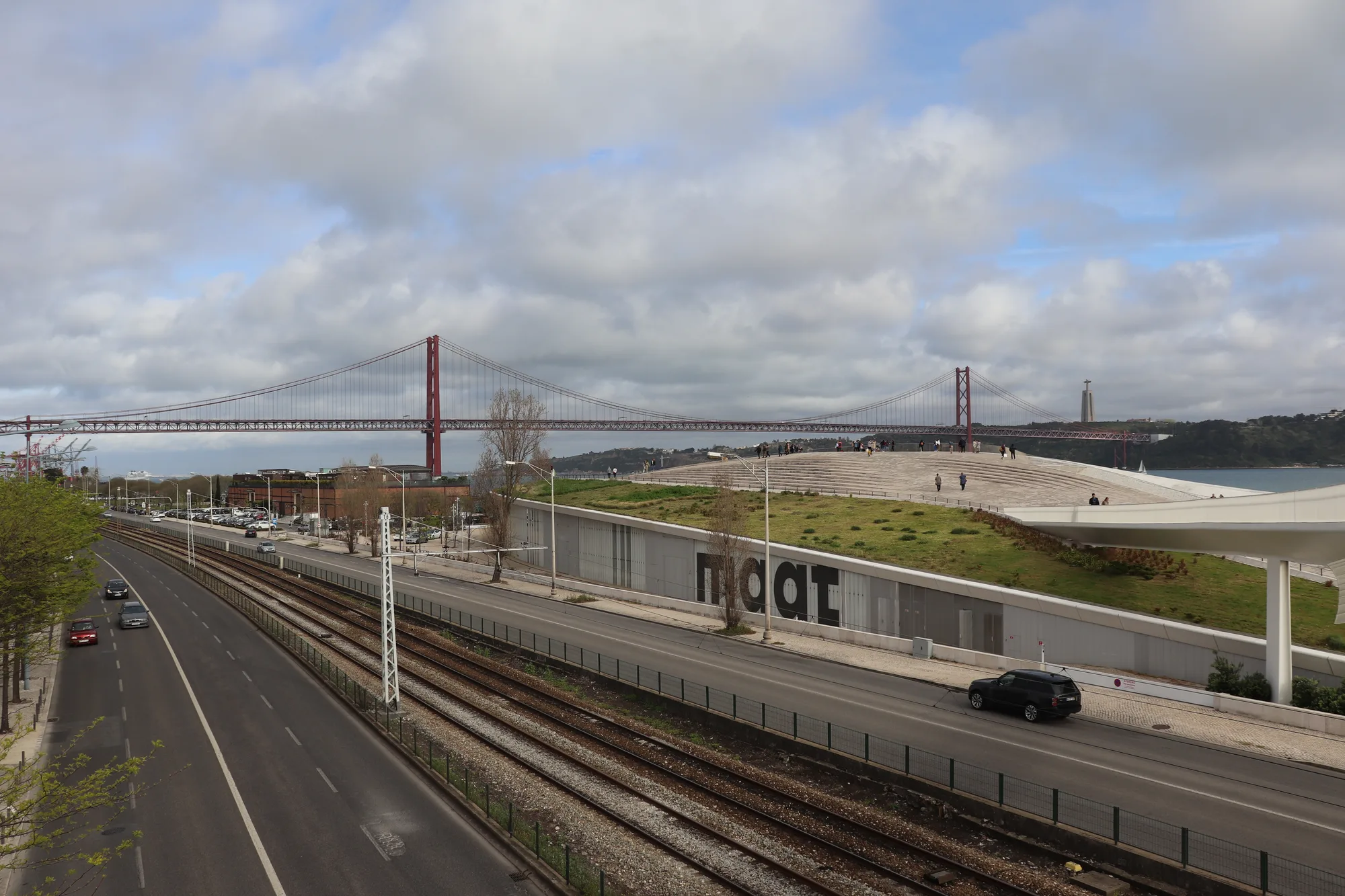
A short Lisbon museum shortlist (by interest)
If you want specific names to anchor your planning, this shortlist covers the most common museum moods. Use it as a menu, not a mission: pick one or two that fit your trip and leave time for cafés and wandering.
Opening hours, closure days, and the odd long renovation can shift things, so it’s worth a quick look at the official hours before you go.
- Museu Nacional do Azulejo (closed for a major renovation, with reopening expected in 2026 — check the official site before you go): plan a tile walk + another tile-rich stop in the meantime.
- MAAT (Museum of Art, Architecture and Technology): modern riverfront architecture near Belém.
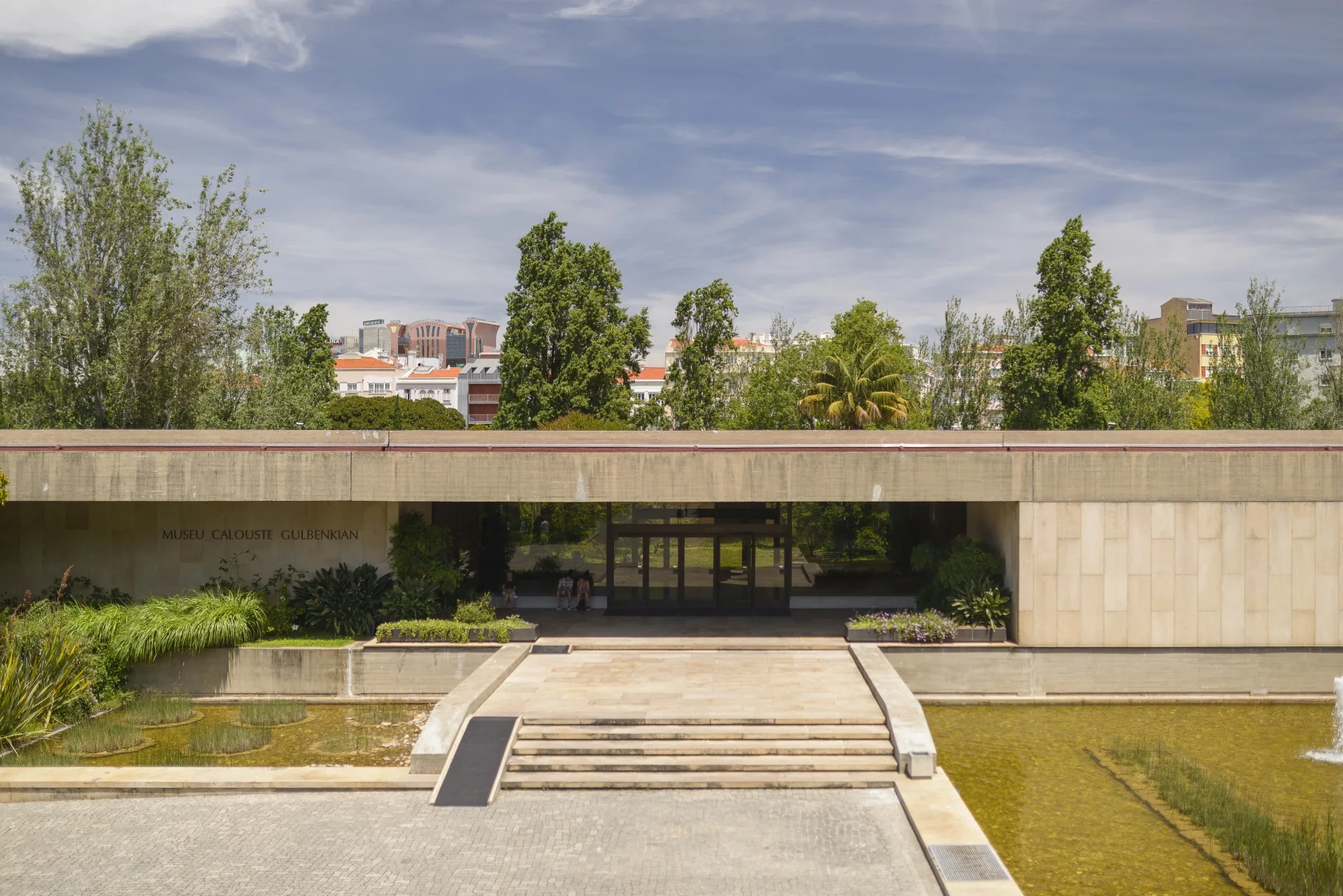
- Calouste Gulbenkian Museum (the Founder’s Collection is closed for renovation, with reopening expected in 2026 — confirm on the official site): go for the gardens + CAM (Centro de Arte Moderna) in the meantime.
- Museu do Fado: context for your fado night (especially if you love music history).
- Lisbon Story Centre: a quick first-day museum beside Praça do Comércio.
- Oceanário de Lisboa: an easy, modern, low-stairs day in Parque das Nações.
- Museu Nacional dos Coches: historic carriages and a classic Belém pairing.
Azulejos (tiles) guideHow to spot tiles in the city — plus a museum plan that makes sense.São Vicente de ForaA tile-rich stop in the historic hills (great while the Azulejo Museum is closed).Gulbenkian gardens + CAMA calm, green modern-art afternoon while the main museum is closed. Belém guidePair riverfront museums with monuments and a pastry ritual.
 Fado in LisbonPlan one atmospheric evening with the right neighborhood choice.Lisbon Story CentreA short, engaging museum that’s perfect on Day 1.
 Parque das Nações guideModern Lisbon for easy walking and big riverside space.Oceanário de LisboaA calm half-day plan for modern Lisbon (great on rainy days).
Sources
- Museu Nacional do Azulejo (official) ↗
Official Museu Nacional do Azulejo site — visiting info and works/closure updates.
- Gulbenkian Museum (official) ↗
Official Gulbenkian Museum site — visiting info and renovation/reopening updates.
Modern Lisbon culture: MAAT + Oceanário (two easy wins)
If you want modern Lisbon without hill fatigue, two anchors stand out: MAAT on the riverfront near Belém, and the Oceanário in Parque das Nações. They’re both designed for easy pacing and pair well with long promenade walks.
MAAT opened to the public in October 2016. MAAT’s campus includes the former Central Tejo power station, built in 1908 and active for electricity production between 1909 and 1972; it opened as a museum in 1990 and joined the MAAT complex in 2016.
Oceanário de Lisboa was inaugurated on 22 May 1998 as part of Expo ’98 and opened permanently to the public in October 1998 — a big-ticket, all-ages-friendly museum day that works in any season.
- MAAT: opened to the public in 2016; combines a new building with the Central Tejo power station museum.
- Oceanário: inaugurated 22 May 1998; permanent public opening in October 1998 (Expo ’98 legacy).
- Best pairing: one modern museum + a long riverside walk + an early dinner.
Belém guideThe easiest route to stack monuments, river walking, and MAAT.Parque das Nações guideModern promenades and the Oceanário in a low-stairs district.Walking routesPromenade-friendly routes for a modern, low-effort day.Accessible LisbonDistrict choices that reduce stairs and steep climbs.Sources
- Oceanário de Lisboa: A journey through our history ↗
Official Oceanário timeline (Expo ’98 inauguration + permanent opening).
- MAAT (official) ↗
Official MAAT site — campus concept, the former Central Tejo power station, and visiting info.
Art collections: classic and contemporary
For art, Lisbon offers strong collections ranging from old masters to modern exhibitions. If you love a classic museum afternoon, choose one major collection and give it time — then balance it with a sunset walk.
If contemporary architecture is part of what you love, the riverfront is where Lisbon feels most modern — a great contrast to Alfama’s tight lanes.
- Best combo: one art museum + one modern riverfront space.
- Don’t schedule a museum right before a big hill climb — swap the order.
Belém guideMonuments + riverfront museum time in one easy half-day.Walking routesPair museums with scenic routes that end at viewpoints.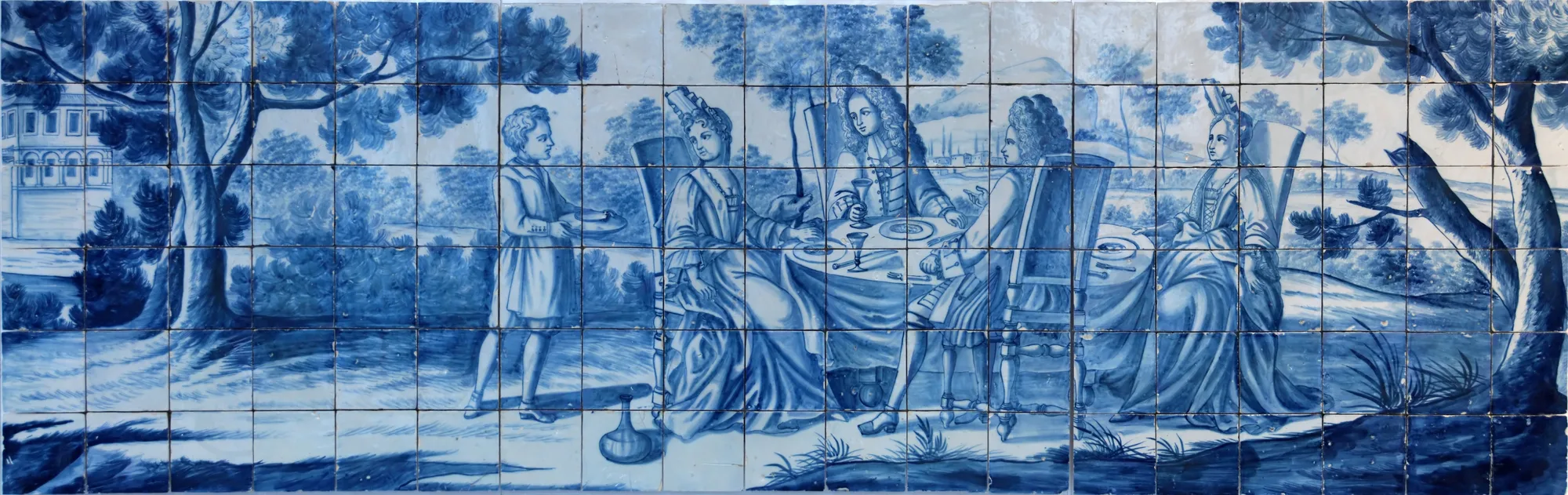
Museum-day pacing (so it still feels like Lisbon)
Lisbon museum days are best when they’re not museum-only days. Plan one anchor museum, then give yourself a long café stop, a park or river walk, and one golden-hour viewpoint. That’s the Lisbon rhythm.
If you’re visiting as a couple, plan the museum for early afternoon and reserve evening energy for the city’s most romantic layer: sunset and a slow dinner.
- Museum → café → slow walk → miradouro → dinner.
- Skip line-stacking: one major museum per day is plenty for most travelers.

Free entry, late nights, and a few practical notes
A handful of practical habits make museum days cheaper and calmer. Several national museums and monuments in Portugal have historically offered free or reduced entry on certain mornings (Sunday mornings have been a common pattern) — but these policies change, so confirm on each museum’s official site rather than relying on an old tip. The same goes for closure days: many museums close one weekday (often Monday), which catches out a lot of visitors.
Two evergreen tips: go early or late to dodge both crowds and the midday heat, and check ahead for any timed-entry or pre-booking requirement at the busiest sites. And remember the moving target of renovations — major institutions sometimes shut whole wings for years at a time, so verify what’s actually open before you plan a day around a specific collection.
- Free/reduced mornings exist at some national sites — but verify officially; policies change.
- Many museums close one weekday (often Monday) — check before you go.
- Go early or late to beat crowds and heat; pre-book the busiest sites.
- Renovations can close whole wings — confirm what’s open before planning around it.


