
Quick take
- Lisbon has hills and cobblestones — plan intentionally if you want lower effort.
- Choose flatter districts: Baixa, Belém, and modern Parque das Nações.
- Use metro + taxis strategically to skip steep returns.
- Build days around one neighborhood cluster to reduce backtracking.
- Riverfront walking is often the most comfortable long-walk option.
- You can still enjoy viewpoints — choose timing and routes that reduce climbing.
Lisbon accessibility: a realistic overview
Lisbon is beautiful partly because it’s old and hilly — which can make mobility more challenging. Cobblestones, steep streets, and stairs are common in historic neighborhoods like Alfama.
The good news: you can still have an amazing Lisbon trip by choosing the right districts and using transport strategically.
- Choose fewer hills, not fewer experiences.
- Plan coherent days: one area at a time, with breaks built in.
The best lower-effort districts: Baixa, Belém, Parque das Nações
If you want fewer stairs and smoother walking, choose districts designed for it. Baixa’s grid is flatter and readable. Belém is a spacious riverside area with wide paths. Parque das Nações is modern and promenade-friendly.
These areas also pair well together in a trip: one central day, one Belém day, one modern day — with optional hills as you feel comfortable.
- Baixa: flat-ish central grid for orientation and easy walking.
- Belém: riverfront monuments with wide paths.
- Parque das Nações: modern promenades with minimal stairs.
 Baixa & Chiado guideA central base and route that’s easier on legs than hill districts.
 Belém guideOne of Lisbon’s easiest half-days with huge payoff.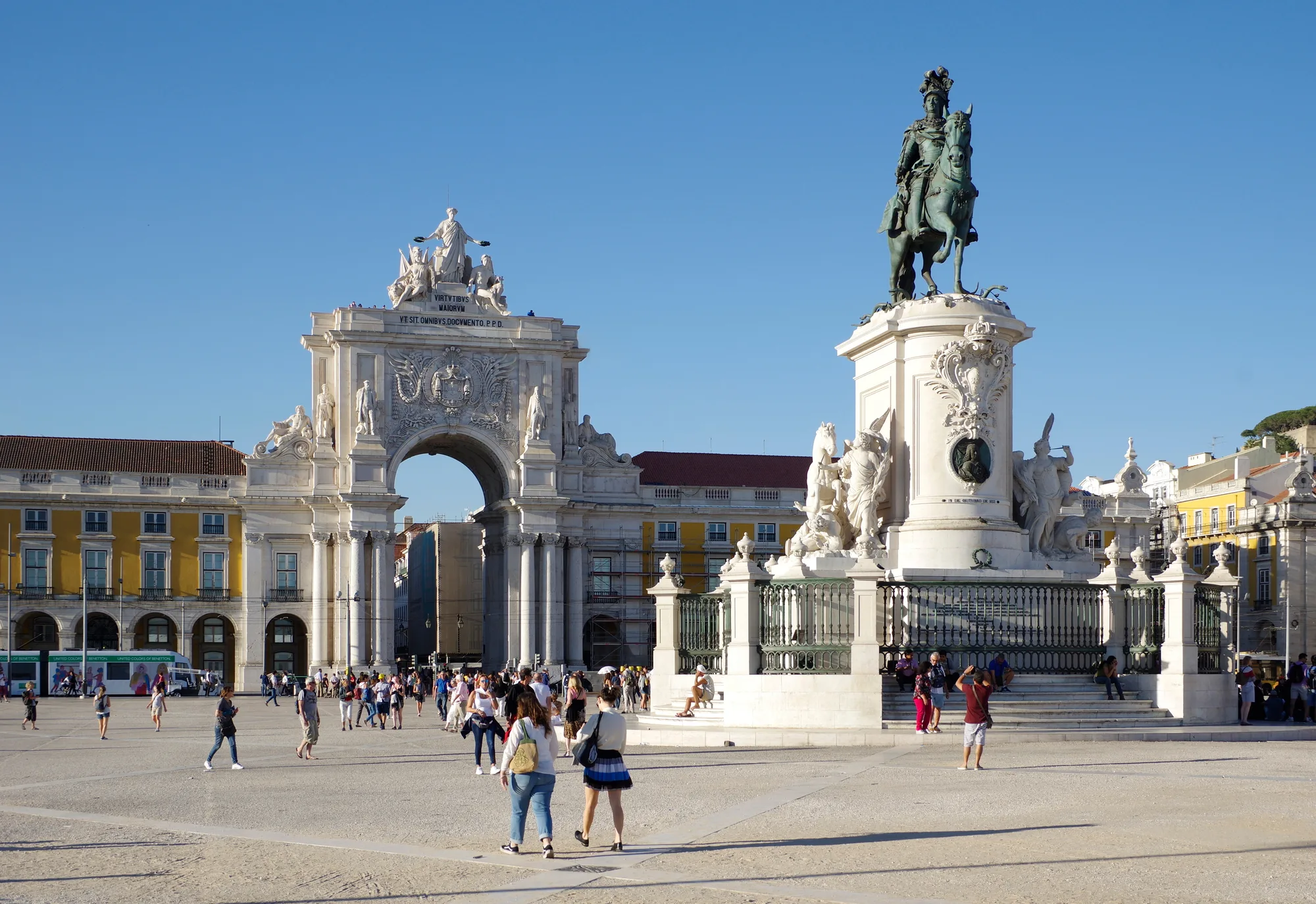
Transport strategy: skip the steep returns
A lower-effort Lisbon trip is mostly a routing problem. Use the metro for distance, take taxis for steep end-of-night returns, and don’t hesitate to simplify your day when your legs tell you to.
You can still enjoy iconic moments (like a tram ride) — just don’t rely on them as your only plan when crowds are intense.
- Use metro to reset your day and avoid long uphill transfers.
- Use taxis/ride shares late if it reduces fatigue and risk.
Viewpoints without the worst climbs
Viewpoints are one of Lisbon’s greatest joys, but the highest ones can require steep climbs. The best approach is to choose one viewpoint that fits your comfort level and plan transport to reduce the hardest approach.
Also remember: the riverfront offers ‘horizontal views’ that are beautiful without the vertical effort.
- Choose fewer miradouros and time them well (golden hour).
- Use riverfront walking as your low-effort scenic option.

The cobblestone reality (calçada portuguesa)
Lisbon’s signature paving — calçada portuguesa, the patterned mosaic of small stones — is beautiful and genuinely uneven. For wheelchair users, walking-aid users, and anyone pushing a wheelchair, it’s the single biggest day-to-day factor, more than the famous hills. The stones can be loose, gapped, and (when polished by foot traffic) very slippery, especially after rain. This isn’t a reason to stay home; it’s a reason to plan routes deliberately and to lower expectations about ‘just wandering’ in the oldest quarters.
The practical response is to favour the surfaces that work: smoother, modern paving and promenades over historic mosaic where you have the choice, and to accept that some picturesque lanes simply aren’t worth the struggle. Wheels with a bit of size handle calçada better than small caster wheels, and a slow, deliberate pace beats fighting the surface. Where a smoother parallel route exists alongside a cobbled one, take it.
- Calçada (mosaic paving) is uneven and slick when wet — the main daily factor.
- Prefer smoother modern paving and promenades where you have the choice.
- Larger wheels handle the stones better than small caster wheels.
 Safety in LisbonSlips on wet stone are a real, avoidable risk.
 Walking routesChoosing smoother, flatter lines through the city.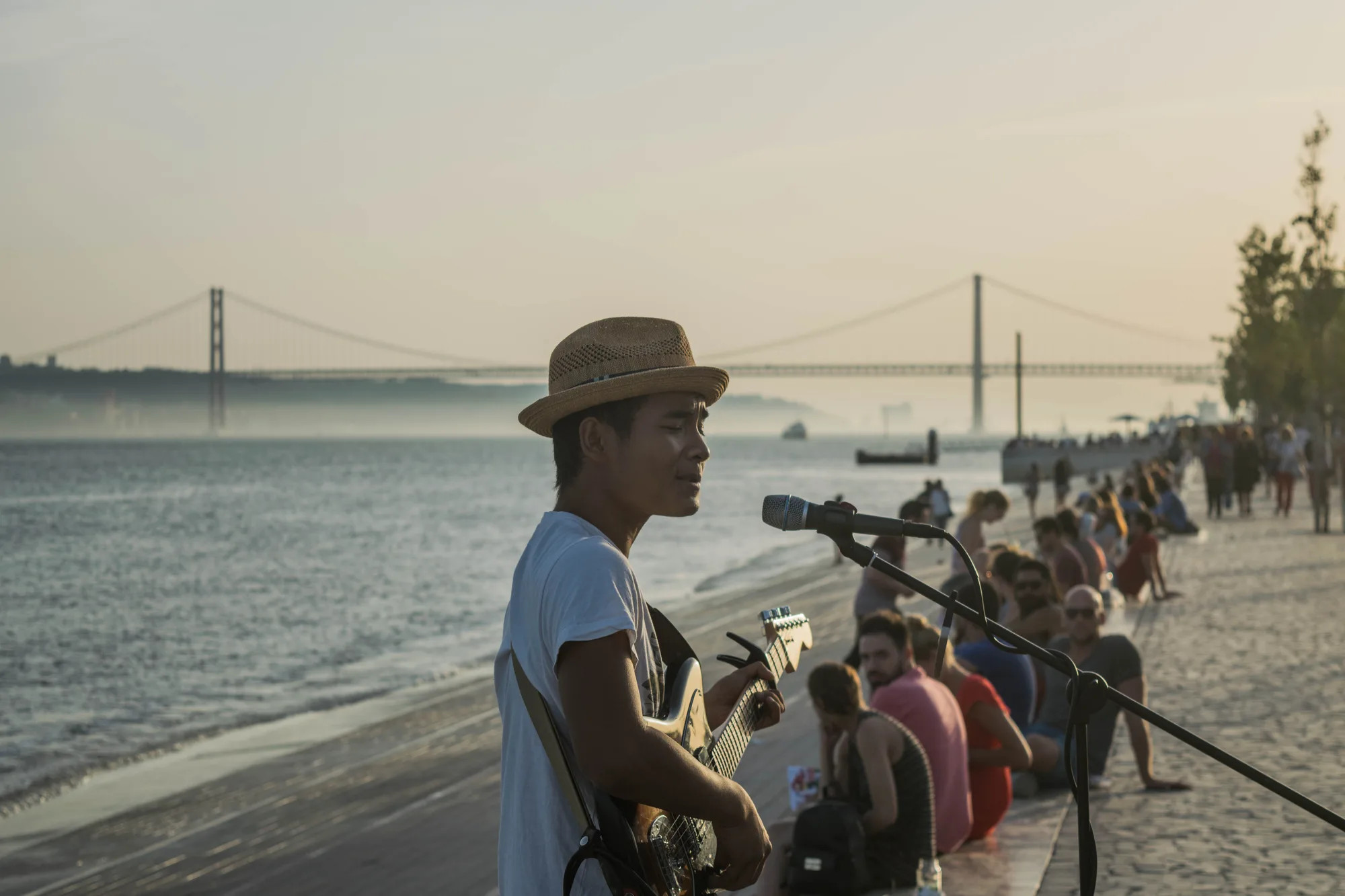
Lifts, funiculars, and the elevators that beat the hills
Lisbon’s hills come with built-in cheats, and using them is the whole game. The Santa Justa Lift connects lower Baixa to the Carmo/Chiado level, and several funiculars (Glória, Bica, Lavra) climb the steepest slopes — handy in principle, though the historic vehicles themselves vary in how step-free they are, so check each before relying on it. The Metro is the most consistently step-free part of the network: most stations have lifts, but they do occasionally go out of service, so it’s worth confirming station accessibility for your specific stops before you depend on a single one.
Among the trams, the historic ones (including the 28) are cramped and stepped and don’t suit wheels; the modern low-floor tram and the city’s low-floor buses are the better fit. For door-to-door certainty — and for the steepest links the lifts don’t cover — a taxi or ride-hail remains the reliable backstop. The strategy that works is hybrid: use the Metro and lifts to gain elevation and cover distance, walk only the flat stretches, and call a ride for anything steep.
- Metro is the most step-free network option — but verify lift status per station.
- Funiculars and the Santa Justa Lift climb the worst slopes (check each vehicle).
- Skip the historic trams for wheels; use low-floor buses, the modern tram, or a taxi.
A lower-effort day plan that still feels like Lisbon
You don’t have to trade away the city to travel it comfortably. A realistic low-effort day might run: a flat morning in Belém among the monuments and along the riverside paths; a sit-down lunch; an afternoon in Baixa using the Santa Justa Lift to reach Chiado without the climb; and a riverside golden hour, where the ‘view’ is horizontal and needs no steep approach. Another day could be built entirely around Parque das Nações — modern, level, lift-served, and spacious — with the Oceanário as an accessible interior anchor.
The unifying principles are simple: one cluster per day to avoid backtracking, transport to gain any elevation, generous breaks, and viewpoints chosen for how easy they are to reach rather than how high they are. Some of Lisbon’s most beautiful moments — river light, open squares, a calm garden — ask very little of your legs. Build around those and the hills become optional rather than the whole trip.
When in doubt, plan fewer things and give each one room. A single well-chosen interior in the morning, a sit-down lunch, and a flat riverside afternoon is a complete, satisfying Lisbon day — and far more enjoyable than a longer list that leaves you fighting the city. For specific venues, it’s worth confirming step-free access and lift availability on the official site before you go, since arrangements vary and occasionally change.
- Cluster each day in one zone; use transport to gain any height.
- Belém, Baixa-with-the-lift, the riverfront, and Parque das Nações are the easy backbone.
- Choose viewpoints by access, not altitude — river light needs no climb.


