Quick take
- Parque das Nações was developed for Expo ’98 and feels spacious and modern.
- Best for: a long riverside walk without stairs.
- The Lisbon Oceanarium is a major anchor (great for families and rainy days).
- Oceanário de Lisboa was inaugurated on 22 May 1998 (Expo ’98 legacy) and opened permanently to the public in October 1998.
- Perfect contrast to Alfama: wide promenades vs tight lanes.
- Ideal ‘reset’ afternoon in longer trips.
- Easy to reach by metro; low logistical friction.
Why Parque das Nações belongs in a Lisbon trip
If your mental image of Lisbon is only old lanes and trams, Parque das Nações will surprise you. It’s modern, spacious, and designed for easy movement along the river — a district where you can walk far without climbing hard.
This is Lisbon’s best ‘reset neighborhood’: calm, breathable, and low-effort, especially after steep days in Alfama or Bairro Alto.
- Best for: modern architecture, long walks, families, and accessibility.
- Best timing: afternoon into early evening for soft river light.
A simple Parque das Nações half-day plan
Build the half-day around one anchor, then let the riverfront do the rest. The Oceanário is the obvious anchor if you want a major attraction; otherwise, treat the district as a walking-and-coffee afternoon.
The goal is to enjoy the contrast: Lisbon’s wide, modern waterfront after the tighter historic cores.
- Option A: Oceanário → riverside promenade → coffee → sunset.
- Option B: architecture walk → long promenade → early dinner.
 Walking routesLow-effort promenade routes that fit this district perfectly.Oceanário de LisboaA calm half-day anchor (great with kids or on rainy days).
 MuseumsHow to balance culture blocks with relaxed walking days.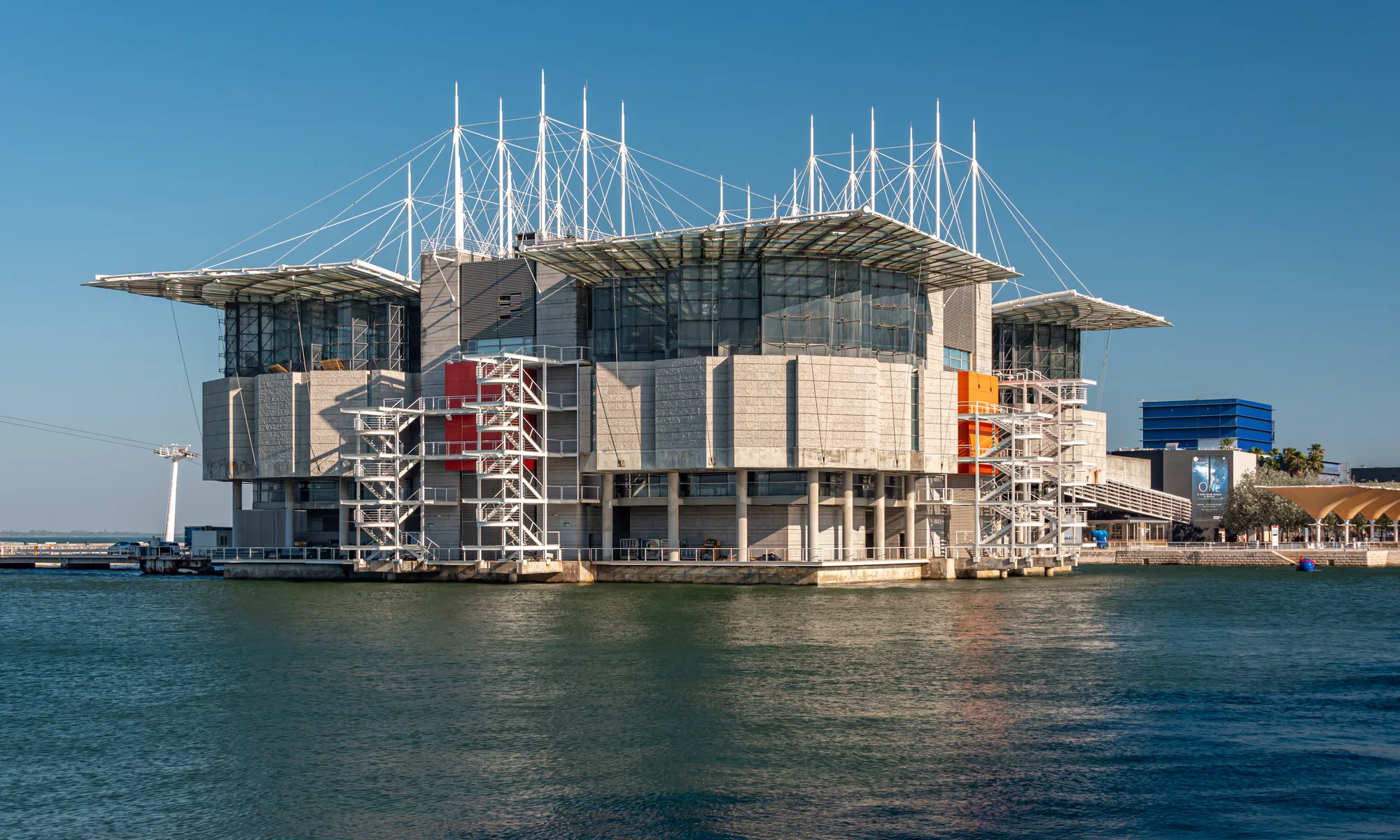
Oceanário: why it’s worth it (and what it is)
Oceanário de Lisboa is one of the district’s biggest anchors and an easy win on days when you want a major attraction without steep climbs. It also fits beautifully into rainy weather planning.
Oceanário’s own history notes it was inaugurated on 22 May 1998 as part of Expo ’98 and has been open permanently to the public since October 1998 — which explains why it feels like a core piece of Parque das Nações rather than a random add-on.
- Good for: families, couples on a low-effort day, and anyone who wants a modern Lisbon contrast.
- Quick facts: inaugurated 22 May 1998; permanent public opening in October 1998.
- Opening hours shift seasonally, so a quick check before you go helps.
Oceanário guideA calm plan: how long to stay and how to pair it with river walking.Museums guideHow Oceanário fits into a balanced museum + walking plan. Best time to visitHow seasonality changes your ‘museum day’ vs ‘walking day’ mix.Accessible LisbonParque das Nações is one of the easiest districts to move through.
Sources
- Oceanário de Lisboa: A journey through our history ↗
Official timeline (Expo ’98 inauguration + permanent opening).
How to pair it with the rest of Lisbon
Parque das Nações pairs best with a trip that already includes old Lisbon. Do Alfama and Graça one day, then do this the next day as recovery. Or do it on a hot day when you want wide paths and easier pacing.
If you’re staying longer, it’s also a good base neighborhood — calm nights and easy transit access.
- Best after: Alfama hills, crowded viewpoints, or a big museum day.
- Best before: a day trip (it keeps your legs fresh).
The Expo ’98 backstory (why it feels so different)
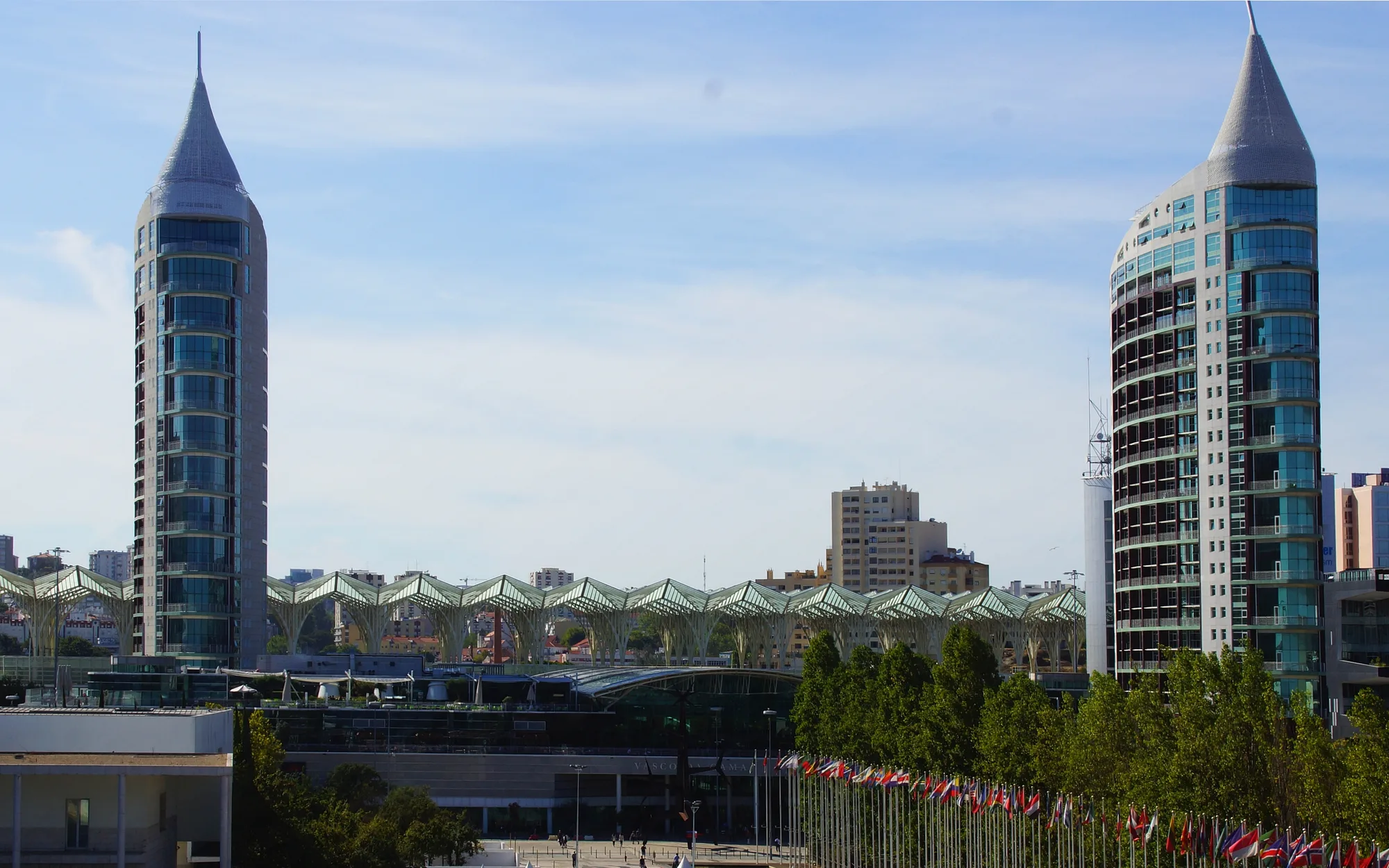
Parque das Nações was built on former industrial and port land in the city’s east for Expo ’98, the world exposition Lisbon hosted in 1998. Once the fair ended, the site was redeveloped into a permanent district of apartments, offices, a marina, and public riverfront — which is why it looks and feels nothing like the old city. Everything here is planned: wide boulevards, deliberate sightlines to the river, and public art dotted along the promenade.
That heritage explains the cluster of attractions you still find together: the Oceanário, the cable car gliding above the waterfront, the dramatic Gare do Oriente transport hub, and the long riverside walkways. It also explains the mood — open, breezy, and modern — that makes it such a clean contrast to Alfama’s tangled lanes. If you’ve been wondering why one part of Lisbon suddenly feels like a different city, this is the reason.
- Built on former port land for Expo ’98 (the 1998 world exposition).
- Now a planned district: marina, riverfront promenades, public art, modern towers.
- Legacy sights: the Oceanário, the cable car, and the Gare do Oriente.
Oceanário de LisboaThe district’s signature attraction and an Expo ’98 legacy.Neighborhoods in LisbonHow modern Parque das Nações contrasts with the old districts.
What to do beyond the Oceanário
The Oceanário is the headline, but the district rewards a wider wander. The cable car (telecabine) runs along the waterfront and gives you an easy, low-stakes set of river views — a fun add-on rather than a must-do, but pleasant with kids or on a relaxed afternoon. The promenade itself is the real attraction: a long, flat riverside walk past the marina, gardens, fountains, and modern landmarks, all the way to the great span of the Vasco da Gama bridge reaching across the Tagus in the distance.
Architecture fans will want to look at the Gare do Oriente, the soaring station designed by Santiago Calatrava, whose canopy of slender white columns is one of modern Lisbon’s signature spaces. There’s also a science museum and frequent events at the area’s exhibition venues, so it’s worth a quick check of what’s on. None of this requires hard walking — it’s the easiest sightseeing terrain in the city.
- Cable car (telecabine): an easy, scenic add-on above the waterfront.
- The promenade: a long flat walk past the marina, fountains, and bridge views.
- Architecture: the Calatrava-designed Gare do Oriente station.

Practical notes (getting there and timing)
Parque das Nações is one of the simplest parts of Lisbon to reach: the metro runs directly to the Oriente station, which doubles as a mainline rail and bus hub, so it’s also a natural launchpad or landing point if you’re arriving by train. From the station, everything is a flat, signposted walk. That accessibility makes it a good choice on a day when you want minimal logistics or you’re travelling with reduced mobility, a stroller, or tired legs.
On timing, late afternoon into early evening is the sweet spot — the river light is at its best, and the promenade is pleasant when the heat eases. It’s also a reliable hot-weather and even rainy-weather option: the aquarium and indoor venues cover the worst of the weather, while the wide paths and breeze help on scorching days. As always, confirm opening hours and prices for specific attractions on their official sites before you go.
- Get there: direct metro to Oriente (also a rail and bus hub) + a flat walk.
- Best timing: late afternoon to early evening for river light and cooler air.
- Good for: low-logistics days, reduced mobility, strollers, hot or rainy weather.
