Quick take
- One of the best ‘low-stress’ attractions in Lisbon — ideal when you want calm and comfort.
- Perfect with kids, but also great for couples who want an easy modern afternoon.
- Open daily 10:00–20:00 (last entry 19:00); adult ticket from €25 (rises in peak season).
- Plan it as a half-day with a long riverside walk in Parque das Nações.
- A strong rainy-day option when you still want a memorable experience.
- Go earlier for a calmer visit; weekends can feel busier.
- Pair with cable car / promenade time for a full modern-riverfront day.
Why it’s worth it (even if you’re not a ‘museum person’)
The Oceanário is a great Lisbon choice because it’s comfortable and absorbing — you don’t need to be in a hardcore sightseeing mood to enjoy it. It’s an easy yes when you want something impressive without the friction of lines, hills, or complicated logistics.
It also fits a modern Lisbon day perfectly. Parque das Nações is wide, walkable, and riverfront — a great contrast to the steep historic cores.
- Best for: rainy days, family trips, and low-effort afternoons.
- Perfect pairing: Oceanário → river promenade → relaxed dinner nearby.
 Parque das Nações guideA modern Lisbon afternoon: wide promenades and river light.
 Rainy day LisbonMore ideas when the weather turns (without wasting a day).Lisbon with kidsA calm, practical family approach to the city.
Sources
- Oceanário de Lisboa (official site) ↗
Official visitor information, tickets, and planning details.
How long to plan (and when to go)
Treat the Oceanário as a half-day anchor. That leaves you enough time to enjoy Parque das Nações outside, which is half the point: the river promenade, the open sky, and the modern architecture mood.
If you want it calmer, go earlier. If you want it paired with golden hour, visit mid-afternoon and finish with a long walk by the water.
- Plan it as: Oceanário + a long riverside stroll (not ‘Oceanário + five other stops’).
- If it’s busy: slow down and make it a calm day instead of fighting crowds.
A modern Lisbon afternoon plan (Oceanário + riverfront)
Parque das Nações is Lisbon on easy mode: wide paths, clean lines, and river breeze. Build your afternoon around the Oceanário, then let the rest be walking and small pleasures.
If you’ve been doing heavy hill neighborhoods, this is the reset that makes your trip feel balanced.
- Oceanário → promenade walk → (optional) cable car → relaxed meal.
- Keep it flexible: the best part is how spacious it feels.
Parque das Nações guideA route-first plan for modern Lisbon by the river.Sunset guideEnd the day somewhere beautiful (without sprinting).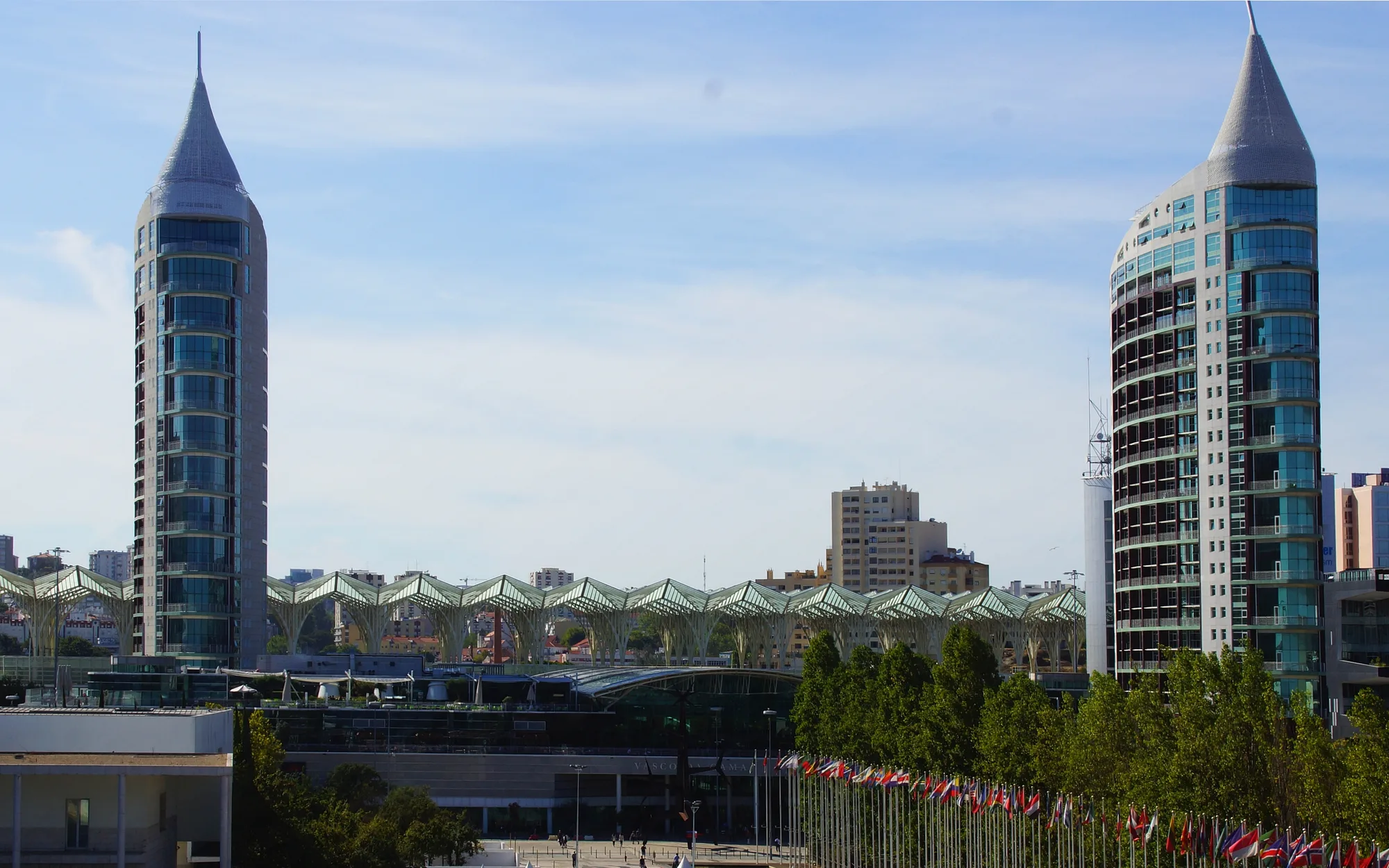
What it is (and what makes it special)
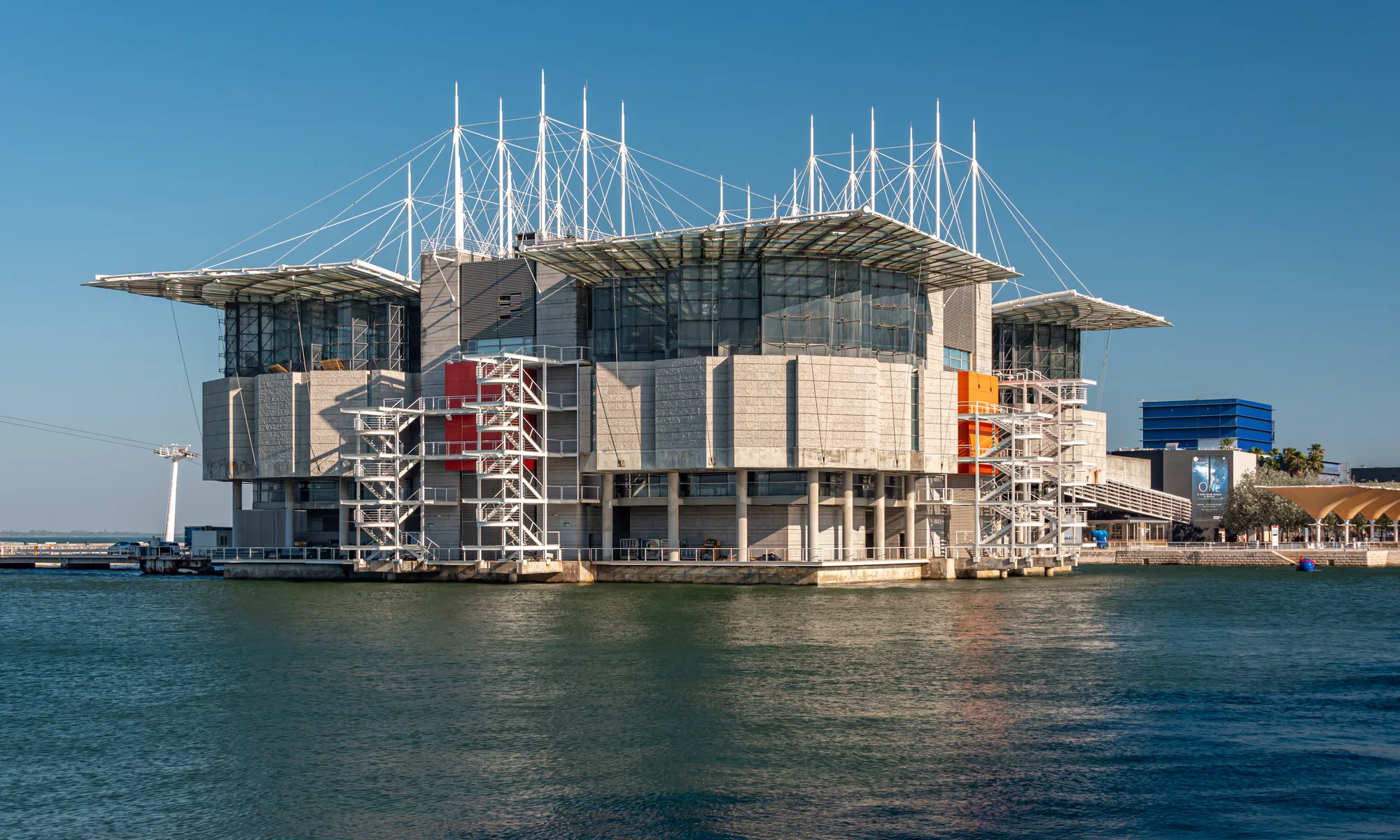
The Oceanário de Lisboa is one of Europe’s largest aquariums and the signature attraction of Parque das Nações, the modern riverside district built for Expo ’98. Its design is unusual and part of the appeal: a vast central tank that you circle on two levels, surrounded by smaller habitats arranged to represent different ocean regions. The effect is immersive rather than ‘corridor of small tanks’ — you spend most of your visit moving around one enormous body of water.
It opened during Expo ’98 (inaugurated in May 1998) and has been a permanent fixture of the district ever since, which is why it feels woven into Parque das Nações rather than tacked on. For first-timers, it reads as a genuine highlight; for repeat visitors, it’s the easy ‘win’ on a day when you want something impressive without hills, queues at historic monuments, or complicated logistics.
- One of Europe’s largest aquariums; an Expo ’98 legacy in Parque das Nações.
- Built around a single huge central tank you circle on two levels.
- Impressive but low-effort — no hills, simple metro access.

How to get there and time your visit
Parque das Nações is one of the easiest parts of Lisbon to reach by metro, and the station puts you within an easy, flat walk of the Oceanário and the riverside promenade. That accessibility is part of why this is such a stress-free outing: no steep climbs, no narrow lanes, wide level paths the whole way.
The Oceanário is open daily from 10:00 to 20:00 (last entry 19:00), with the adult (13–64) ticket starting around €25 — peak-season slots and add-ons cost more, so the official site is the place to lock in your exact date. For the calmest experience, arrive early or visit on a weekday; weekends and mid-morning in peak season tend to be busiest, and the central tank can get crowded at the most popular viewing points. It runs on timed entry, so pre-booking a slot online is the reliable way to skip the ticket queue.
- Easiest access in the city: metro to Parque das Nações, then a flat walk.
- Quietest: early or on a weekday; weekends and peak mornings are busiest.
- Open daily 10:00–20:00 (last entry 19:00); adult ticket from ~€25 — book a timed slot online.
 Getting around LisbonHow the metro connects the centre to Parque das Nações.Accessible LisbonOne of the most step-free, easy-to-move districts in the city.
What to expect inside (and how long to stay)
The visit is built around the enormous central tank, which you loop on two levels — an upper level that introduces the surrounding habitats and a lower level where you’re eye-to-eye with the main tank’s deeper water. Rather than a long line of small displays, the layout keeps drawing you back to that one big body of water from different angles, which is what makes it feel immersive even when it’s busy.
Most visitors spend somewhere between an hour and a half and two and a half hours, depending on how long you linger and whether there’s a temporary exhibition on. That’s the right size for a half-day: enough to feel like a real outing, not so long that it eats your whole day. If you have small children, build in extra slack — they tend to plant themselves in front of the central tank and not want to move.
Quiet tip: the calmest viewing is usually right at opening or in the last hour before closing, when the tour-group surge has thinned. Mid-morning on a weekend is the densest stretch around the most popular windows.
- Layout: two levels circling one huge central tank, plus regional habitats.
- Typical visit: roughly 1.5–2.5 hours; longer with curious kids.
- Calmest viewing: at opening or in the final hour before closing.

Who it suits (and how to round out the day)
The Oceanário is one of the easiest ‘yes’ attractions in Lisbon: it suits families, couples wanting a low-effort afternoon, anyone travelling with reduced mobility, and travellers who’ve had enough of hills and queues at historic monuments. It’s also a reliable rainy-day plan that still feels like a proper experience rather than a time-filler.
Once you’re done inside, let Parque das Nações do the rest. The district was built for Expo ’98 to be spacious and walkable, so the natural move is a slow riverside promenade — wide paths, modern architecture, and open sky — optionally adding the cable car for river views before a relaxed meal. Treat the aquarium as the anchor and the waterfront as the reward, and you’ve got a complete, unhurried half-day that balances out a hill-heavy trip.
- Best for: families, couples on an easy day, reduced-mobility travellers, rainy days.
- Round it out: a flat riverside promenade walk and (optionally) the cable car.
- Use it as the calm counterweight to Alfama, Graça, and the castle hill.
Map: Oceanário + Parque das Nações riverfront
Use this map to keep your modern Lisbon day coherent: one main attraction, then a long riverfront walk.
Map pins
Map data © OpenStreetMap contributors · Tiles © OpenFreeMap

