Quick take
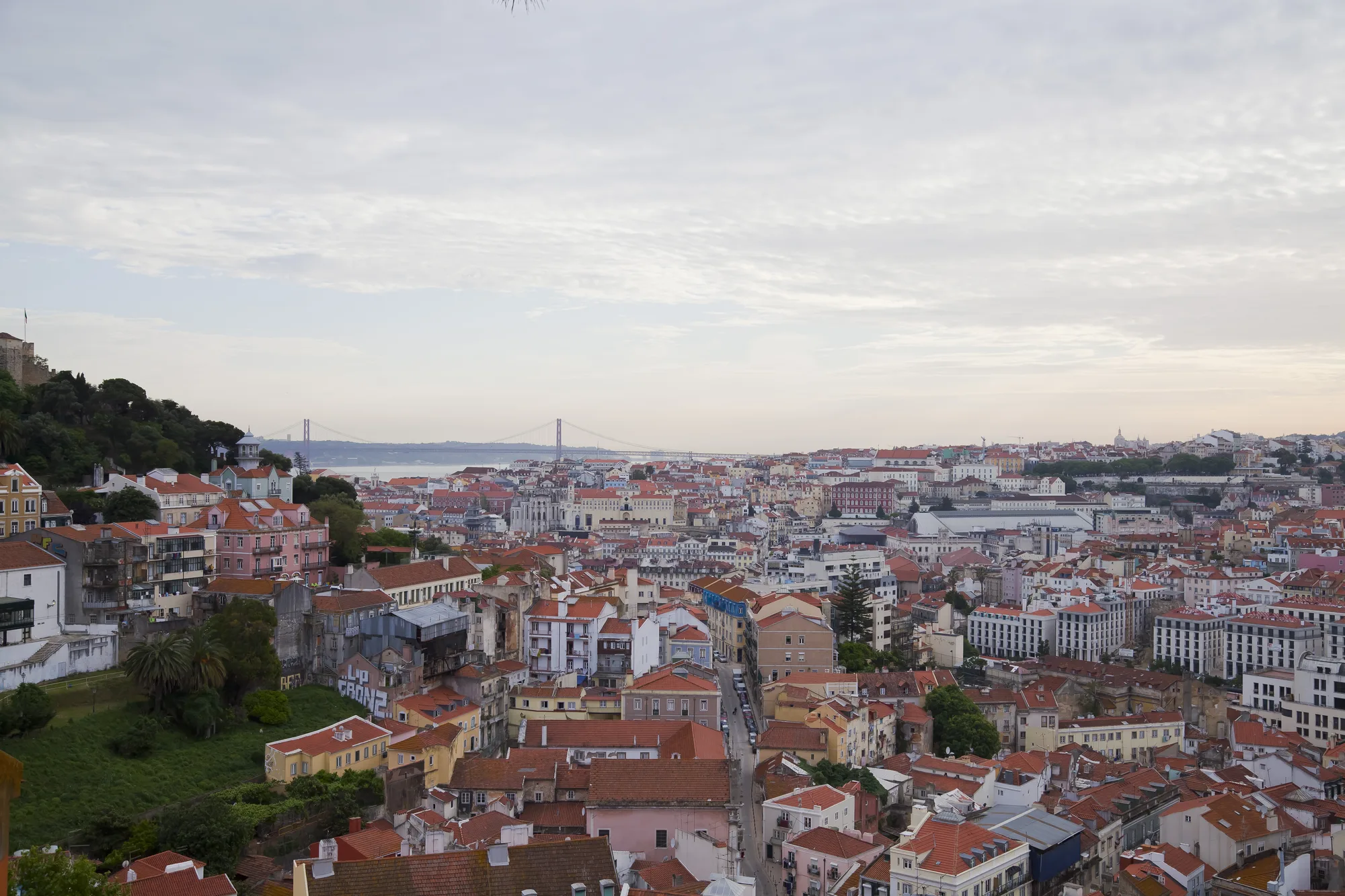
- Graça is one of Lisbon’s best ‘viewpoint neighborhoods’ — high, panoramic, and atmospheric.
- Start here early, then drift downhill into Alfama for the easiest pacing.
- It’s quieter than the busiest central zones, with more local-feeling streets.
- Best for: golden hour, relaxed cafés, and a ‘Lisbon above the rooftops’ mood.
- Do not stack Graça + Alfama + Belém in one day — keep it coherent.
- If you love photos, Graça mornings and sunsets are strong.
Graça vibe: hilltop calm with big views
Graça sits high above the historic core and is loved for its viewpoints and slower, more local energy. It’s still central enough to feel connected, but it breathes more than the busiest tourist streets.
The best way to enjoy Graça is to start here, take in the views, then drift downhill into Alfama rather than climbing late when you’re tired.

Viewpoints and timing (the Graça superpower)
Graça is the neighborhood you choose when viewpoints are the goal. Time it well: morning calm for clarity, or golden hour for glow.
Pick one or two viewpoints and stay longer rather than chasing five. The view is less the ‘spot’ and more the time you allow it to land.
- Morning: calmer streets and softer light.
- Golden hour: the most cinematic Lisbon payoff.
 Viewpoints guideMiradouros to prioritize and how to choose by mood.
 Instagrammable LisbonPhoto-friendly timing tips for views and streets.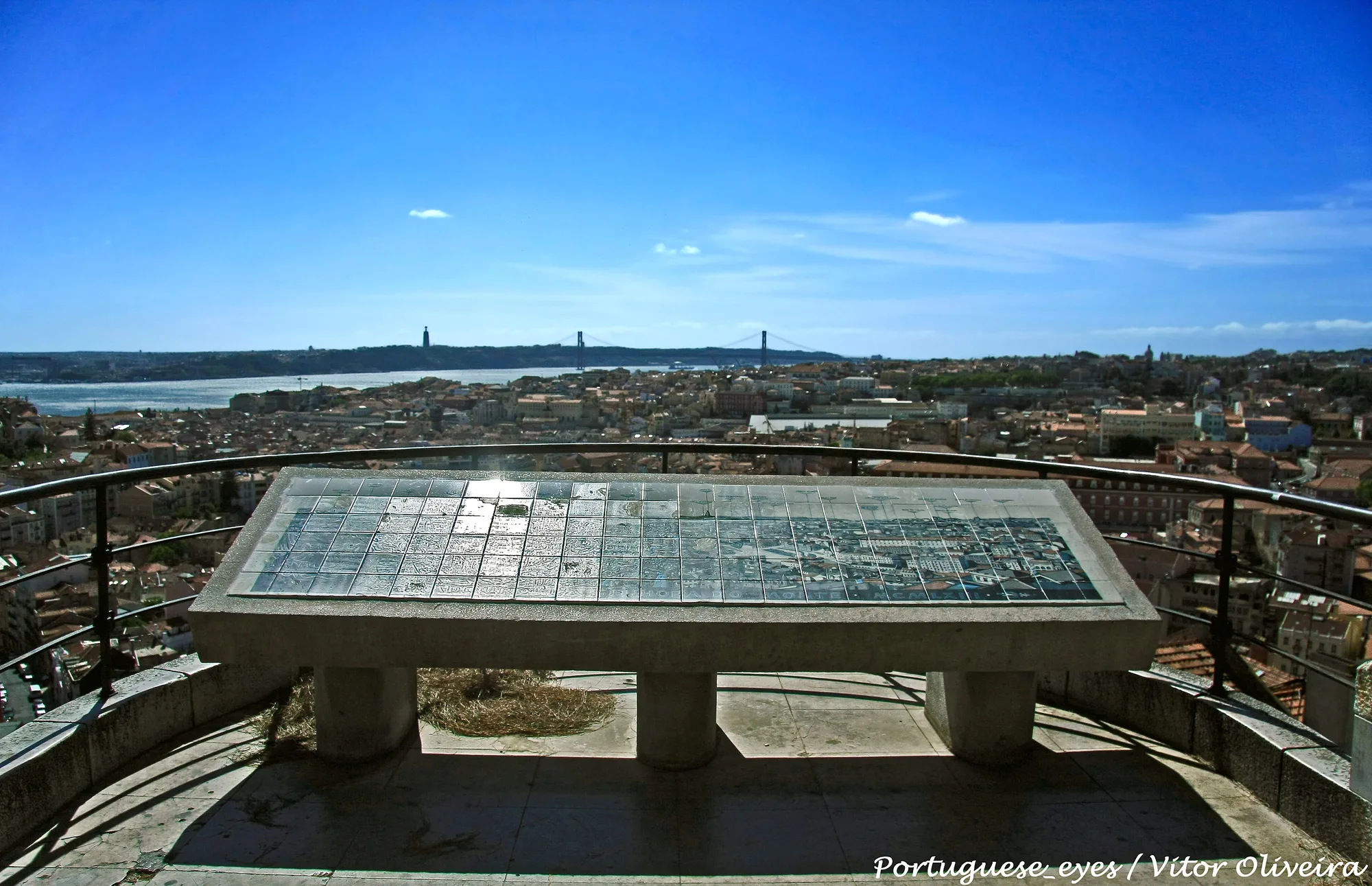
How to pair Graça with the rest of Lisbon
Graça pairs best with Alfama and the historic core. Start high, drift down, then finish your evening with a slow dinner or fado.
Where Graça sits, and how to get there
Graça is one of Lisbon’s highest historic neighbourhoods, perched on the hill above Alfama and just north of the Castelo de São Jorge. It grew up around the Convento da Graça and has long been a working, residential quarter — which is why it still feels more lived-in and less polished than the busiest tourist streets below.
The easiest way to arrive is to let something else do the climbing. The historic Tram 28 grinds up through Graça on its famous route, and Tram 12 also loops nearby; both spare your legs the steep cobbled ascent. You can also walk up from Alfama or from Martim Moniz, but the smart sequence is to ride or take a short taxi up, then walk down — Lisbon’s hills are far kinder in the descending direction.
Once you’re up top, the neighbourhood is compact and walkable, with the major viewpoints only a few minutes apart. Keep an eye on your belongings on Tram 28, which is a known target for pickpockets, and wear shoes with grip for the polished cobbles.
- Position: high above Alfama, north of the Castelo de São Jorge.
- Easiest access: Tram 28 (or a short taxi) up; walk down.
- Compact once you’re there — the viewpoints are minutes apart.
The Graça viewpoints worth your time
Graça’s reputation rests on two great miradouros. The Miradouro da Senhora do Monte is one of the highest accessible viewpoints in Lisbon, with a sweeping panorama across the castle, the old city, and the river — it’s a celebrated sunset spot and is quietest early in the morning. A short walk away, the Miradouro da Graça (officially Sophia de Mello Breyner Andresen) is a leafy terrace beside the old convent, with a kiosk café and big views toward the castle and the bridge.
Choose one as your anchor and don’t rush it. The reward in Graça isn’t the act of ‘seeing’ a view — it’s sitting with one as the light changes. If you have the energy for both, walk between them at a slow pace and let the neighbourhood streets in between be part of the experience.
- Senhora do Monte: among the highest views in Lisbon; superb at sunset, calm at dawn.
- Miradouro da Graça: a leafy convent-side terrace with a kiosk café.
- Pick one, linger, and let the light do the work.
Senhora do MonteOne of the highest, most panoramic viewpoints in the city. Sunset in LisbonWhy Graça is one of the best places to end the day.
Who Graça suits (and who might skip it)
Graça is ideal for travellers who love views, slower mornings, and a more local, residential feel than the central tourist core. It rewards photographers (great light at both ends of the day), couples (golden hour plus a quiet dinner), and anyone happy to trade convenience for atmosphere.
It’s less ideal as a base if you can’t manage stairs and steep streets, or if you want nightlife and shopping on your doorstep — for that, central Lisbon or Bairro Alto fits better. The honest trade-off is the same one the hill always offers: the higher and quieter you go, the more beautiful and the more effort it becomes.
- Great for: viewpoints, photography, couples, a calmer local feel.
- Less ideal for: limited mobility, or wanting nightlife/shopping at the door.
- The trade-off: more atmosphere and views, more climbing.
- Pairs naturally with Alfama below and the castle hill for a full old-Lisbon day.


Best time of day and a half-day plan
Graça has two great windows. Early morning brings clear air, soft light, and near-empty viewpoints — the time to come if you want the panorama to yourself. Golden hour brings the crowds but also the magic, as the low sun warms the rooftops and the river; arrive 30–45 minutes before sunset to claim a spot at Senhora do Monte.
A satisfying half-day: ride Tram 28 or take a short taxi up; start at one viewpoint with a coffee from a kiosk; wander the quiet residential streets between the miradouros, noticing the tiled façades and the old convent; pause for a long lunch or a drink on a terrace; then walk slowly downhill into Alfama as the afternoon cools, ending the day among the old lanes or back at a viewpoint for sunset.
Keep it loose. Graça rewards lingering more than ticking off, and the best memory is usually a long sit somewhere high with the city spread out below. If you’re combining it with the castle, do the Castelo de São Jorge first thing (it opens to morning calm and the same sweeping views), then move on to the Graça viewpoints, so you’re not climbing in the midday heat.
- Early morning: clearest light, emptiest viewpoints.
- Golden hour: busier but beautiful — arrive early for a spot.
- Half-day flow: ride up → viewpoint coffee → wander → lunch → walk down to Alfama.
- Wear shoes with grip and carry water — the cobbles are steep and there’s little shade between viewpoints.


