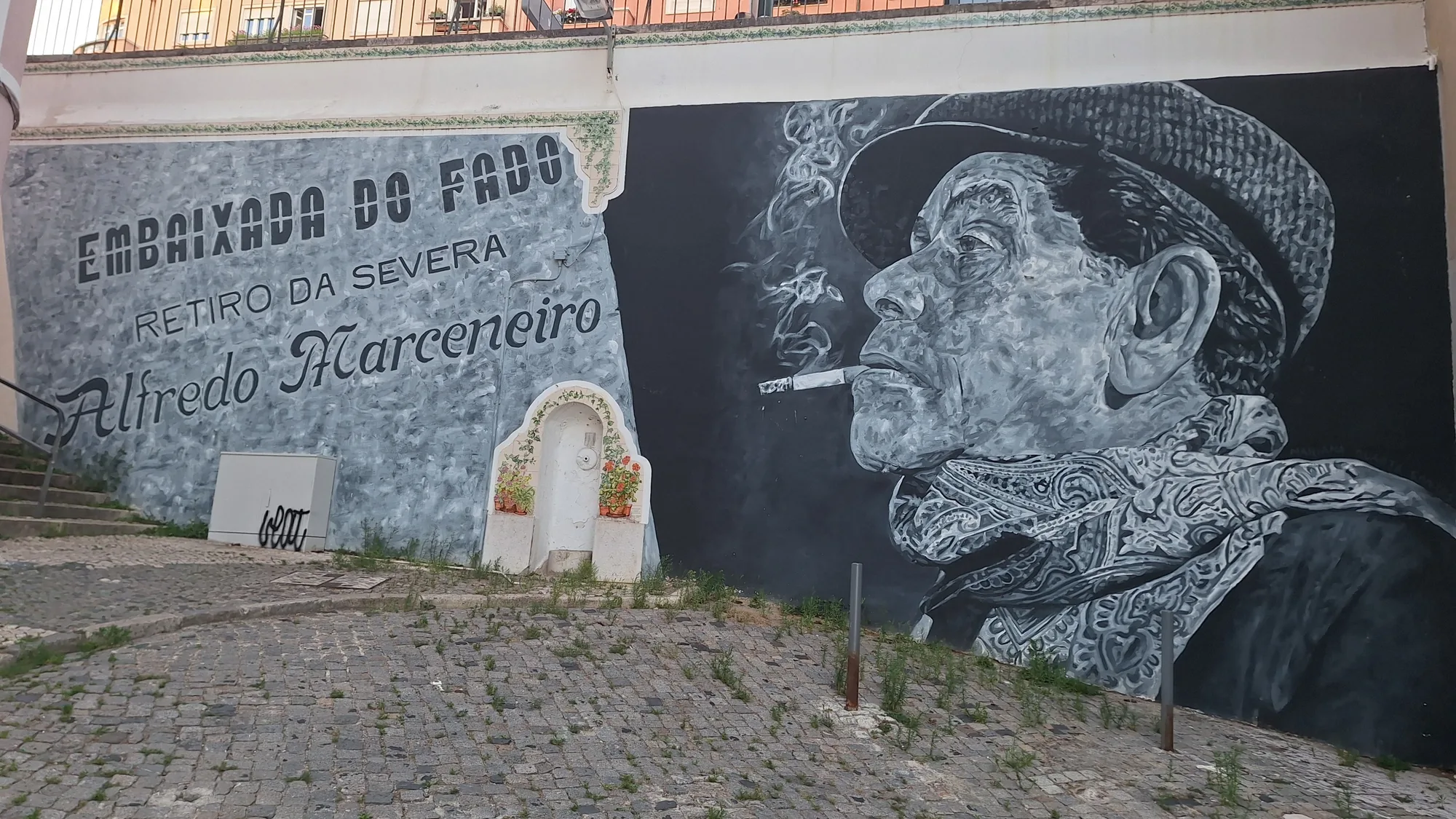
Quick take
- Fado is Lisbon’s most emotionally atmospheric night experience — perfect for one intentional evening.
- Alfama is the classic fado neighborhood vibe; Bairro Alto can be easier to pair with central evenings.
- Expect quiet during songs; it’s a listening culture.
- Plan the evening slowly: short walk → show → late dinner or dessert.
- Avoid overbooking: one fado night per trip is usually perfect.
- If you want intimacy, prioritize smaller rooms and calmer timing.
What is fado?
Fado is a Portuguese music tradition often associated with longing and emotion — and it was inscribed on UNESCO’s Representative List of the Intangible Cultural Heritage of Humanity in 2011. In Lisbon, it’s woven into old neighborhoods and evening culture, and it can feel deeply intimate when you approach it with the right expectations.
The best fado nights aren’t about checking a box. They’re about atmosphere: a quiet room, voices that cut through conversation, and a city that feels older than your itinerary.
- Go in ready to listen — fado is not background music.
- Choose one night and let it be a highlight.
 Romantic LisbonHow to build a couples evening around fado and golden hour.
 Alfama guideThe neighborhood most associated with classic Lisbon fado atmosphere.
Sources
- UNESCO Intangible Cultural Heritage: Fado (2011 inscription) ↗
Background on fado as Portugal’s urban popular song tradition.
Where to hear fado: Alfama vs Bairro Alto
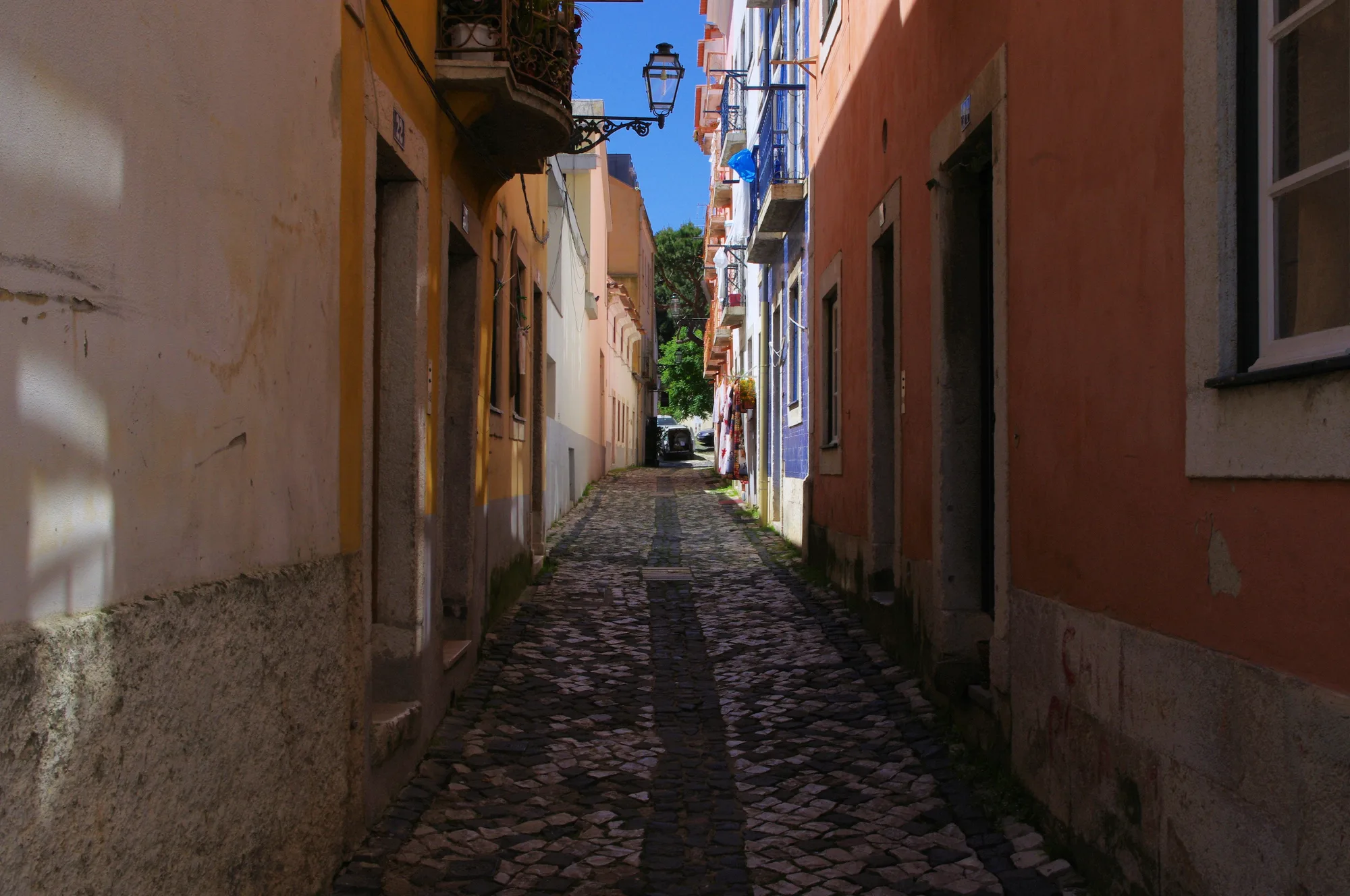
Alfama is the classic image: narrow lanes, warm light, and fado drifting through old streets. It can feel like stepping into Lisbon’s deepest layer — especially after dusk.
Bairro Alto is more central-nightlife-adjacent: easier to combine with dinner and evening wandering. The vibe can be busier, but it’s convenient if you’re staying central.
- Alfama: old Lisbon atmosphere, best paired with a slow evening walk.
- Bairro Alto: central, easier logistics, more nightlife nearby.

Museu do Fado (a great daytime add-on)
If you want fado context without committing to a full dinner-and-show night, Museu do Fado is a great daylight option. It helps you understand the tradition, then you can decide whether you want the live-night experience.
It’s also a smart ‘midday shade’ stop on a warm day — and it pairs naturally with an Alfama wandering afternoon.
- Best pairing: Museu do Fado → Alfama lanes → sunset viewpoint → dinner.
- Museum schedules can change, so it’s worth checking opening hours close to your visit.
Alfama guideA calm route that pairs well with a museum stop. Museums in LisbonOther culture stops that fit a relaxed pacing strategy.
Sources
- Museu do Fado (official site) ↗
Museum info + visitor details.
How a fado night works (and how to enjoy it)
Most fado nights have a similar rhythm: seated dining or drinks, then periods of singing where the room quiets down. The quiet is part of the respect for the performance — and it’s what makes the experience feel intense.
To enjoy it, keep your expectations simple: one intentional night, a slower pace, and space afterward to walk and talk. Don’t schedule a heavy agenda before it.
- Arrive with time; don’t rush in stressed from hills.
- Choose a calm night and keep your phone away during songs.

Fado etiquette (how to be a great audience)
Fado is a listening culture. The room going quiet is part of the performance — and part of what makes the night feel powerful.
If you want the most authentic experience, match the room: speak softly between sets, keep your phone dark, and let the singing be the center of attention.
- Be quiet during songs; save conversation for breaks.
- Avoid flash photos and bright screens; it breaks the atmosphere.
- Choose a smaller room if you want intimacy over spectacle.
Alfama guidePair a fado night with old-town wandering after dusk.Romantic placesPre-fado golden hour ideas that make the night feel cinematic.
How to avoid tourist traps (without being cynical)
Lisbon is popular, and popular experiences attract low-effort versions. You don’t need to be cynical — just intentional. Choose one night, aim for intimacy over spectacle, and prioritize places that feel respectful and calm.
If a place feels like it’s designed primarily for quick turnover and loud crowds, it’s probably not the fado night you’re imagining.
- Choose: smaller rooms, calmer vibe, respectful listening culture.
- Avoid: loud, chaotic spaces that treat fado like background noise.
A little background (saudade, the guitarra, and Mariza-era fame)
Fado is usually traced to early-19th-century Lisbon, born in the working-class quarters of Alfama and Mouraria and tied to the docks and taverns of a port city. Its emotional core is saudade — a hard-to-translate Portuguese feeling of longing, nostalgia and bittersweet yearning. You don’t need to understand the Portuguese lyrics to feel it; the voice and the melody carry the mood, which is why first-time listeners are so often moved even without the words.
Musically, a classic fado is spare: a singer (the fadista) accompanied by the Portuguese guitarra — a distinctive teardrop-shaped, twelve-string instrument with a bright, rippling tone — and a regular acoustic guitar (the viola). That stripped-back setup is part of why the silence in the room matters so much; there’s nowhere for the voice to hide. Knowing what you’re listening to makes the experience richer.
Fado also has a global profile thanks to singers like the legendary Amália Rodrigues, who carried it worldwide in the 20th century, and a modern generation — Mariza, Carminho, Ana Moura and others — who keep it current. That heritage is why it earned UNESCO recognition, and why a respectful, attentive room feels less like a tourist show and more like a living tradition.
- Born in Alfama/Mouraria in the early 1800s; its mood is saudade (longing).
- Core sound: a fadista plus the teardrop-shaped Portuguese guitarra and a viola.
- Made famous by Amália Rodrigues; carried on today by Mariza, Carminho and others.
- You don’t need the lyrics — the voice carries the feeling.
Practical planning: when to go and what a night costs
Fado is an evening tradition, so shows start late — many houses begin their music around 9pm or later and run in sets through the night, with quiet during each song and chatter in the breaks. Plan a relaxed early dinner or a light day beforehand so you arrive unhurried; rushing in from a hill-heavy afternoon works against the mood. One fado night per trip is plenty; it lands harder as a highlight than as a repeated activity.
There are broadly two formats. Casas de fado are dinner-and-show venues where you book a table, eat, and listen — atmospheric but pricier, and worth reserving ahead, especially in peak season. Then there’s fado vadio (‘amateur’ fado), where regulars and locals take turns singing in small tavernas — less polished, often cheaper or just the price of food and drink, and sometimes the most authentic of all. Both can be wonderful; choose by budget and mood.
A few honest cautions: prices, minimum spends and exact start times vary widely and change, so check the specific venue before you commit, and book the dinner-show places in advance. Avoid the spots that hustle passers-by on the street or treat the music as background — those rarely deliver the real thing. Verify details close to your dates.
- Music typically starts ~9pm and runs in sets — eat early, arrive calm.
- Casas de fado: dinner + show, book ahead, pricier and more polished.
- Fado vadio: amateur/local singing in tavernas — cheaper and often very authentic.
- Prices, minimums and times vary, so the specific venue is worth a quick check before you go.


