Quick take
- Alfama is Lisbon’s oldest neighborhood — go for lanes, texture, and atmosphere.
- Start high and drift down: it’s the easiest way to enjoy the hills.
- Choose 1–2 viewpoints, not five; they start to blur together.
- Morning is calm; evening is magical; midday can be crowded.
- Plan one fado night if you want the classic evening layer.
- Good shoes matter more here than almost anywhere else in Lisbon.
Alfama in one sentence
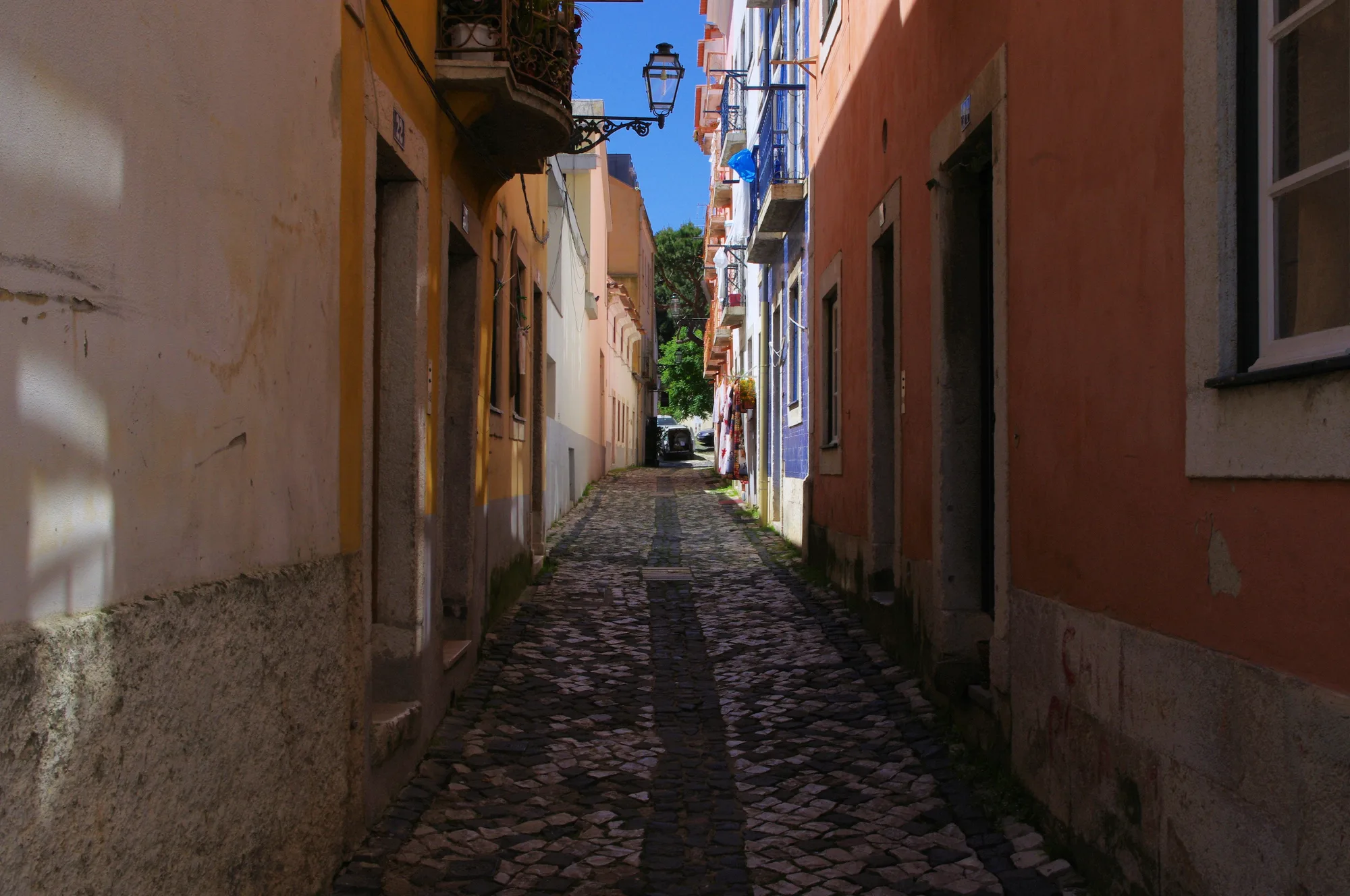
Alfama is the Lisbon you imagine: the oldest neighborhood, built in narrow lanes that twist between the castle hill and the Tagus. It’s not a checklist district — it’s a wandering district.
The best way to enjoy Alfama is to accept the pace: stairs, pauses, and small moments that feel personal.
- Go for: old streets, viewpoints, and evening atmosphere.
- Expect: hills, cobblestones, and occasional crowd pinch points.
 Neighborhoods overviewHow Alfama compares to Baixa/Chiado, Belém, and other districts.
 Lisbon Cathedral (Sé)A calm ‘threshold’ stop before you climb into Alfama lanes.
 Castelo de São JorgeThe classic castle hill view — and how to keep it enjoyable.São Vicente de ForaTiles + calm atmosphere in the same old-Lisbon hill zone.National PantheonA quieter panoramic moment nearby (great on a calmer day).
 Getting aroundHow to use trams/metro to make Alfama easier on your legs.
A simple Alfama walking route (start high, drift down)
The best Alfama routes start high and end low. Begin near the upper viewpoints (or near the castle area), then let gravity do the work as you drift toward the river.
If you do it the other way around, you’ll spend the last hour climbing when you’re already tired — which is the fastest way to stop enjoying Alfama.
- Start: high viewpoints / castle-adjacent streets.
- Middle: lane wandering (no agenda).
- End: river-facing streets + a calm dinner or café stop.
Viewpoints near Alfama (choose your mood)
Alfama’s viewpoints are some of Lisbon’s most famous because they combine rooftops, river, and old-lane texture. They can be busy, so timing matters.
For romance, go early or late. For atmosphere, go at golden hour and let yourself stay.
- Classic terrace feel: Portas do Sol (postcard angle over Alfama).
- Higher panorama: Senhora do Monte (big skyline and river view).
- Pair one viewpoint with one long lane wander — not multiple climbs.
Romantic placesViewpoints + gardens + riverfront corners for couples.Instagrammable LisbonHow to photograph Alfama without fighting crowds.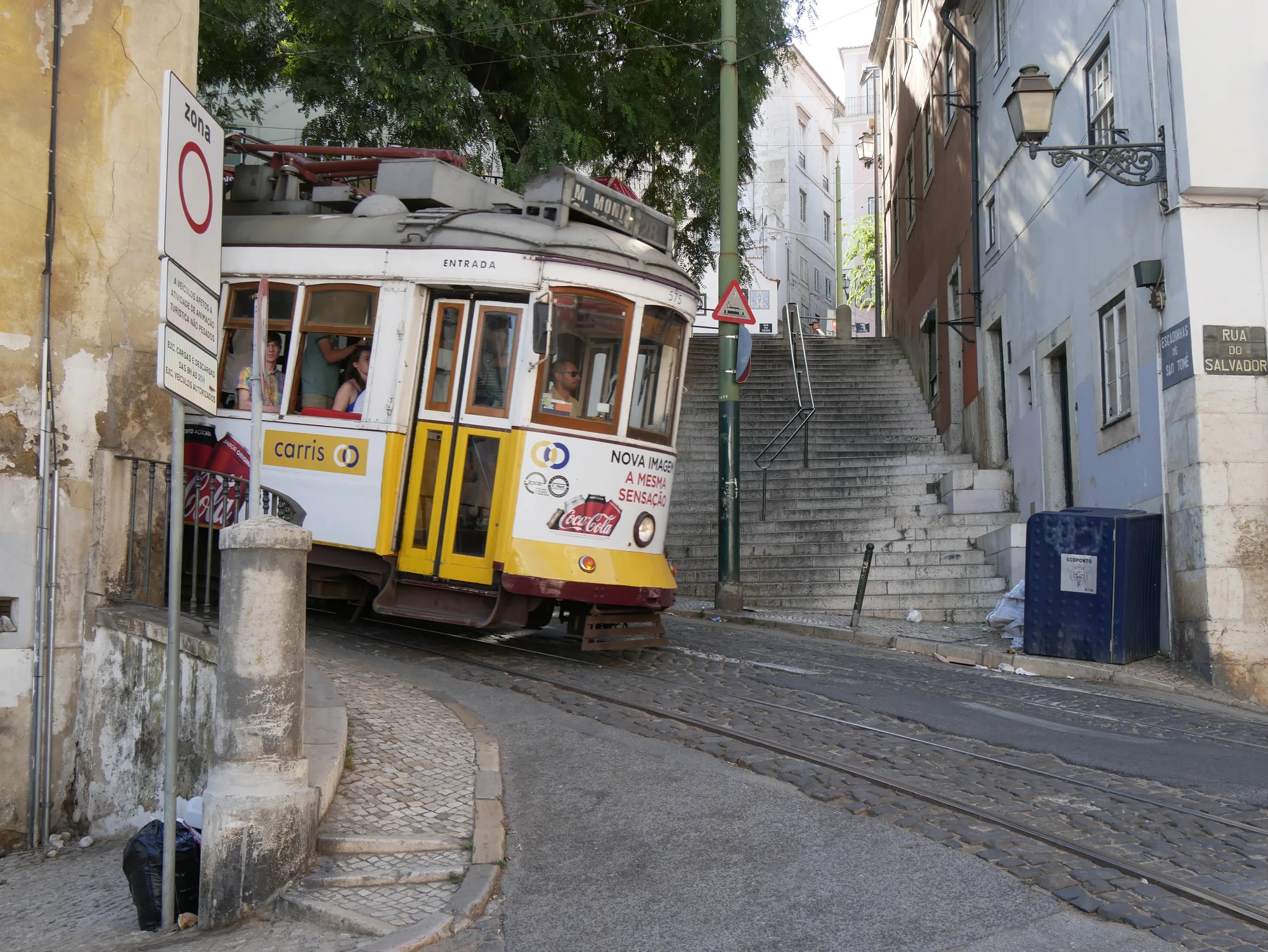
Evening Alfama: fado and the neighborhood’s best atmosphere
Alfama after dusk is a different place: warm light, slower streets, and the feeling that Lisbon is older than your plans. If you want the classic Lisbon night, spend one evening here.
Fado is the obvious pairing — and it can be deeply romantic when you choose one intentional night and keep the rest of your schedule light.
- Plan: short walk → fado → dessert or late dinner → slow drift home.
- Don’t schedule heavy sightseeing right before a fado night.
Small practical tips (so Alfama stays enjoyable)
Alfama is beautiful because it’s old — which also means it’s uneven. Cobblestones can be slippery, and narrow lanes can feel crowded midday. Plan your timing and shoes accordingly.
If you get tired, don’t force it. Take a café break, simplify your route, and let Alfama be what it is: a place to wander, not conquer.
- Wear shoes with grip; avoid slippery soles, especially after rain.
- Keep valuables secure in dense crowds and on trams.
Safety in LisbonCrowd-smart tips for trams, viewpoints, and busy streets. Accessible LisbonLower-effort district choices and route planning tips.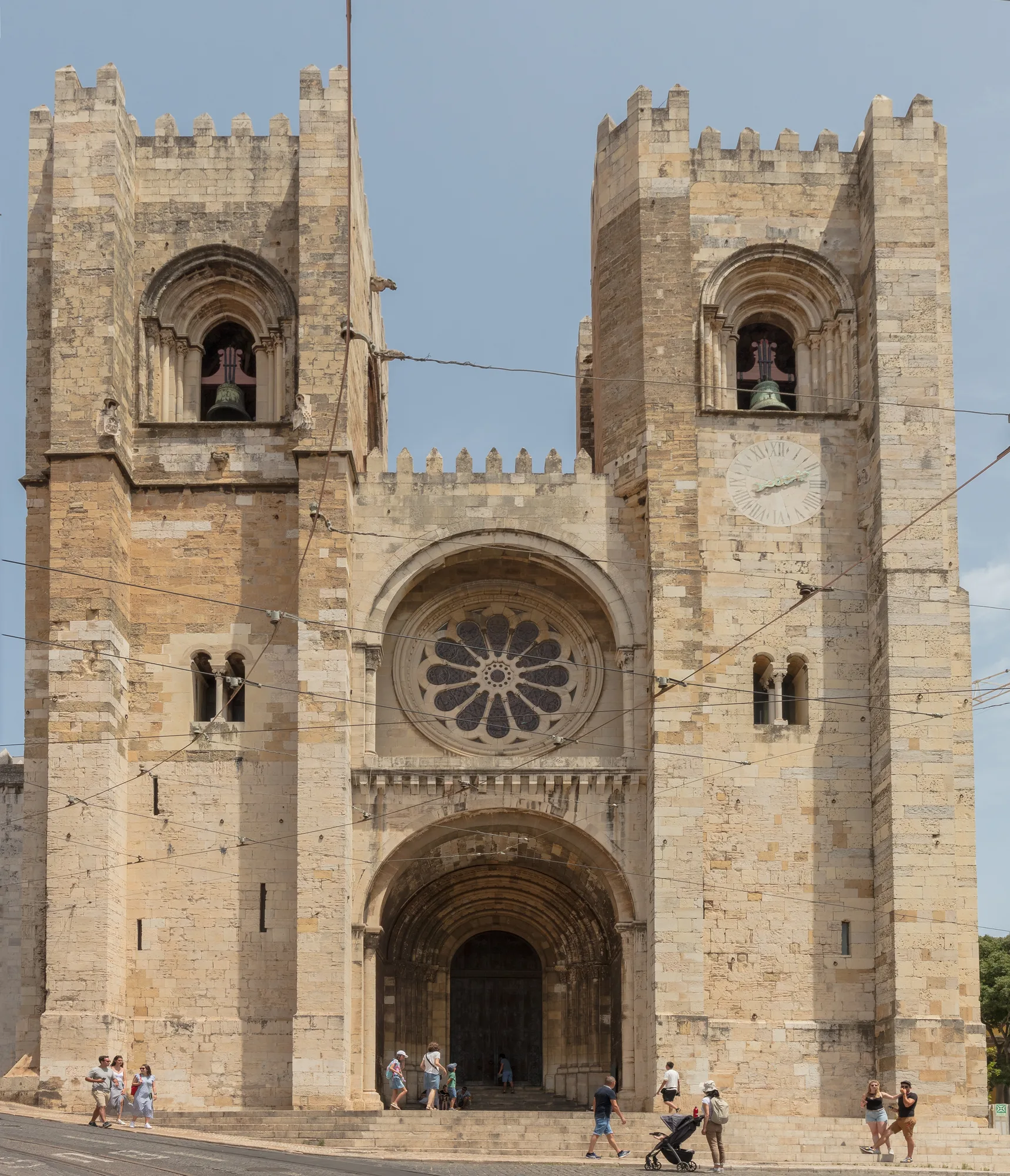
Why Alfama looks the way it does (a little history)
Alfama is Lisbon’s oldest surviving quarter, and its tangled layout is the reason. Where the rest of downtown was flattened and rebuilt on a neat grid after the catastrophic 1755 earthquake, Alfama largely survived — its dense, maze-like lanes sit on solid ground above the river and absorbed the shock better than the reclaimed land below. So when you get pleasantly lost here, you’re walking a medieval (and older) street pattern that predates the modern city.
The name itself reaches back further. Alfama derives from Arabic, a legacy of the centuries of Moorish rule before Lisbon was taken in 1147, and the neighbourhood grew as a fishermen’s and working-class quarter clinging to the castle hill. That history is why the lanes are so narrow, the stairs so frequent, and the houses so stacked: this was a place built for people on foot, long before cars or planning grids.
Understanding that backstory changes how you walk it. Alfama isn’t a district you ‘cover’ — it’s one you let unfold. The disorientation is the design, and the best moments (a tiled doorway, a tiny square, fado drifting from an open window) come from wandering rather than navigating.
- Alfama largely survived the 1755 earthquake — hence the old, maze-like streets.
- The name is Arabic in origin, from Lisbon’s pre-1147 Moorish period.
- Built as a working-class, fishermen’s quarter on the castle hill.
- Getting lost is the point — wander rather than navigate.

Getting to Alfama and around it
Alfama sits on the eastern slope below the castle, between the Sé (cathedral) and the river. The most romantic — and most crowded — way in is the historic Tram 28, which clatters right through the quarter; ride it once early in the day for the experience, but keep a hand on your bag, as it’s a well-known pickpocket target. The 12E tram does a shorter loop around the castle hill and is often less mobbed. Several buses also serve the edges, and the Santa Apolónia and Terreiro do Paço metro stations bracket the area.
On foot, the golden rule is to start high and finish low. Take a tram or the castle climb to the top, then let gravity pull you down through the lanes toward the river, where it’s flatter and easier to find a tram or metro back. Doing it the other way means a punishing uphill finish when your legs are already done.
A practical heads-up: the cobbles (calçada) are genuinely slippery, especially after rain or on the polished, worn stretches, so grippy shoes matter more here than almost anywhere in Lisbon. Hours for the castle, churches and small museums can shift seasonally, so check before you build a tight plan around any single opening time.
- Tram 28 runs through Alfama — ride once early; mind your bag for pickpockets.
- Tram 12E loops the castle hill and is often less crowded.
- Metro: Santa Apolónia and Terreiro do Paço bracket the area.
- Walk top-down to avoid an uphill finish; wear shoes with grip for the cobbles.
Who Alfama suits (and when to go)
Alfama rewards travellers who like atmosphere over efficiency. First-timers should absolutely see it — it’s the Lisbon of the imagination — but it suits slow wanderers, photographers, couples and anyone happy to get lost more than it suits a tight, tick-the-box schedule. Families can enjoy it too, though the stairs and cobbles are hard going with a pushchair, so a baby carrier and a relaxed pace help. If mobility is a concern, lean on the trams and lifts and pick a couple of accessible viewpoints rather than attempting the whole maze.
Timing changes the experience completely. Early morning is hushed and golden, with locals going about their day and few tour groups — the best window for photos and calm. Midday is the busiest and hottest. Evening is the most magical: warm light, the smell of grilled fish, and fado drifting from doorways, which is why one Alfama dinner or fado night belongs on most trips. If you only have one slot, make it golden hour into the evening.
- Best for: slow wanderers, photographers, couples, atmosphere-seekers.
- Harder for pushchairs and limited mobility — use trams/lifts and pick key spots.
- Early morning = calm and photogenic; evening = the most magical.
- If you get one slot, choose golden hour into the evening.


