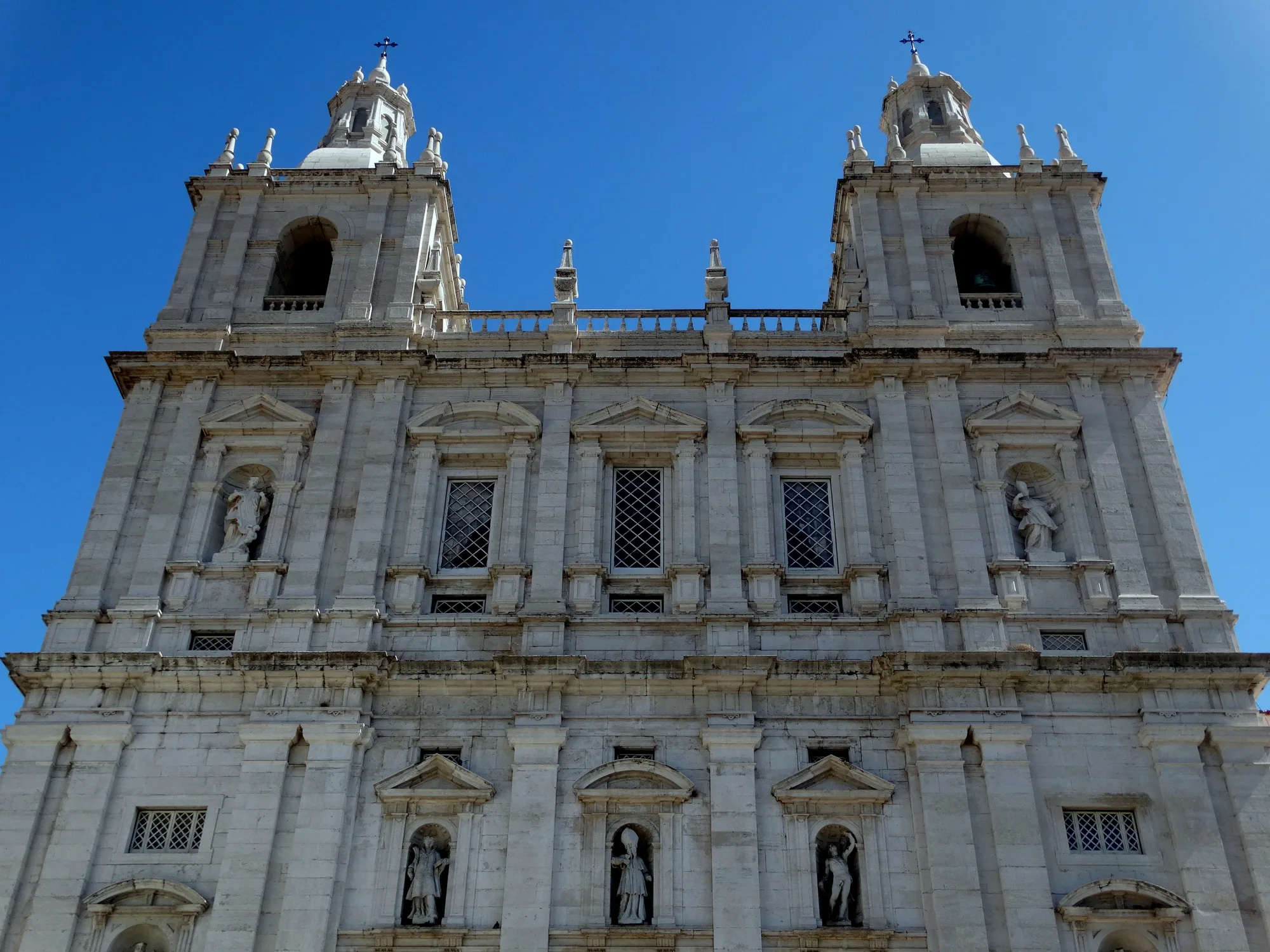
Quick take
- A tile-lover’s dream in the historic hills — especially valuable while the National Azulejo Museum is closed for renovation (reopening expected in 2026 — check the official site).
- Pair it with the National Pantheon and the Feira da Ladra flea market for a perfect old-Lisbon morning.
- Go earlier for calm lanes and softer light (and to make the hills feel easier).
- It’s a great ‘quiet culture’ stop: rich atmosphere without the mega-queue vibe.
- Combine with a Graça viewpoint for a full ‘up first, down later’ day.
- Treat it as a slow visit + wander, not a checklist sprint.
Why São Vicente de Fora is worth your time
São Vicente de Fora is one of those Lisbon stops that feels quietly powerful: historic architecture, tile work that rewards slow looking, and a location in the hills that naturally pairs with viewpoints and old-lane wandering.
If you love azulejos, it’s an especially good choice right now. With the National Azulejo Museum closed for a major renovation (reopening expected in 2026 — check the official site), São Vicente becomes an even better ‘tile anchor’ for a Lisbon day.
- Best for: tiles, calm atmosphere, and pairing with old-Lisbon walks.
- Great pairing: São Vicente → Pantheon → Alfama wandering.
 Azulejos (tiles) guideA tile-walk approach that works beautifully while the museum is closed.
 Alfama guideOld lanes and atmosphere — perfect after your monastery stop.
Sources
- Monastery of São Vicente de Fora: official site ↗
Official visitor information (hours, tickets) from the monastery.
- Visit Lisboa: São Vicente de Fora Monastery ↗
Visitor overview and context for the monastery.
- Museu Nacional do Azulejo (official): closure notice ↗
Official note on the Azulejo Museum renovation and reopening status.
A perfect old-Lisbon morning route (market → monastery → dome views)
This area is at its best when you build a coherent hill morning. If it’s Tuesday or Saturday, start at Feira da Ladra (flea market) for a browse. Then do São Vicente de Fora as your cultural anchor, and finish at the National Pantheon for a big, satisfying view moment.
After that, drift downhill into Alfama for lunch and wandering — your legs (and your mood) will thank you.
- Tues/Sat: Feira da Ladra → São Vicente de Fora → National Pantheon.
- Any day: São Vicente → Pantheon → Alfama lanes → viewpoint → dinner.
 Markets in LisbonFeira da Ladra timing tips and how to pair it with the hills.
 National PantheonA quiet ‘wow’ stop with panoramic views in the same hill area.
 Walking routesRoutes that keep the day flowing without backtracking.
What you’ll see inside (the tiles, the dome, the kings)
São Vicente de Fora is a late-16th to early-17th-century monastery built in a restrained, monumental Mannerist style, and its real treasures are out of the main church. The standout is the tilework: the cloisters and corridors are lined with one of the largest displays of baroque azulejos (blue-and-white glazed tiles) in Lisbon, including a famous series illustrating the fables of La Fontaine — a wall-after-wall narrative in ceramic that rewards slow looking. For tile lovers it is, quite simply, one of the best things in the city.
The visit usually includes access to the rooftop terrace, which gives a wonderful, often quiet panorama over Alfama, the river and the dome of the National Pantheon next door — a viewpoint many visitors don’t expect and few crowds reach. Inside the complex you’ll also find the Royal Pantheon of the Braganza dynasty, the burial place of the kings and queens of Portugal’s last royal house, which adds a layer of national history to the architecture and tiles.
Plan to wander rather than rush: the tiles, the terrace and the pantheon together make for a richer stop than the plain exterior suggests. It’s the kind of place that quietly becomes a highlight.
- One of Lisbon’s largest displays of baroque blue-and-white azulejos.
- A famous tiled series illustrating La Fontaine’s fables.
- A rooftop terrace with calm views over Alfama and the Pantheon’s dome.
- The Braganza Royal Pantheon — tombs of Portugal’s last royal dynasty.
Why it matters more right now
São Vicente has always been a fine tile destination, but it’s an especially smart choice at the moment. The Museu Nacional do Azulejo — the city’s dedicated tile museum and the usual first recommendation for azulejo lovers — is closed for a major renovation, with reopening expected in 2026 (check the official site for the current status). With that collection temporarily out of reach, São Vicente’s baroque tile cloisters become one of the best places in Lisbon to see azulejo art at scale.
It pairs naturally with the city’s wider tile story too. Lisbon’s façades, churches, fountains and metro stations are an open-air azulejo gallery, and São Vicente works well as the ‘anchor’ of a tile-themed day, supplemented by tiled streets in Alfama and Mouraria. If your trip is partly about Portugal’s ceramic heritage, this monastery should move up your list while the museum is shut.
- The National Azulejo Museum is closed for renovation (reopening expected 2026 — verify).
- São Vicente is among the best places to see azulejos at scale meanwhile.
- Use it as the anchor of a tile-themed Lisbon day.
Getting there, timing, and a closing day to note
The monastery stands on a rise between Alfama and Graça, just above Campo de Santa Clara where the Feira da Ladra flea market sets up on Tuesdays and Saturdays. Tram 28 passes nearby, and the 12E loop and several buses serve the area; on foot it’s an uphill but rewarding walk from the river or a gentle drift down from Graça. Like the rest of these hills, the cobbles are uneven, so wear shoes with grip.
A practical heads-up: many Lisbon monuments and monasteries close one day a week — often Monday — and São Vicente keeps its own seasonal hours and ticket prices, which can change. Check the official information before you build a tight plan around it, especially if you’re trying to line it up with the Tuesday/Saturday market and the neighbouring Pantheon for one efficient morning. Earlier in the day tends to be calmest and gives the best light on the terrace.
- Between Alfama and Graça, just above the Feira da Ladra market square.
- Reachable by Tram 28, the 12E loop, and local buses (or an uphill walk).
- Often closed one day a week — verify the day, hours and prices.
- Go earlier for calm and good terrace light.
Graça guideThe hill neighbourhood just above the monastery.Markets in LisbonFeira da Ladra timing right beside São Vicente.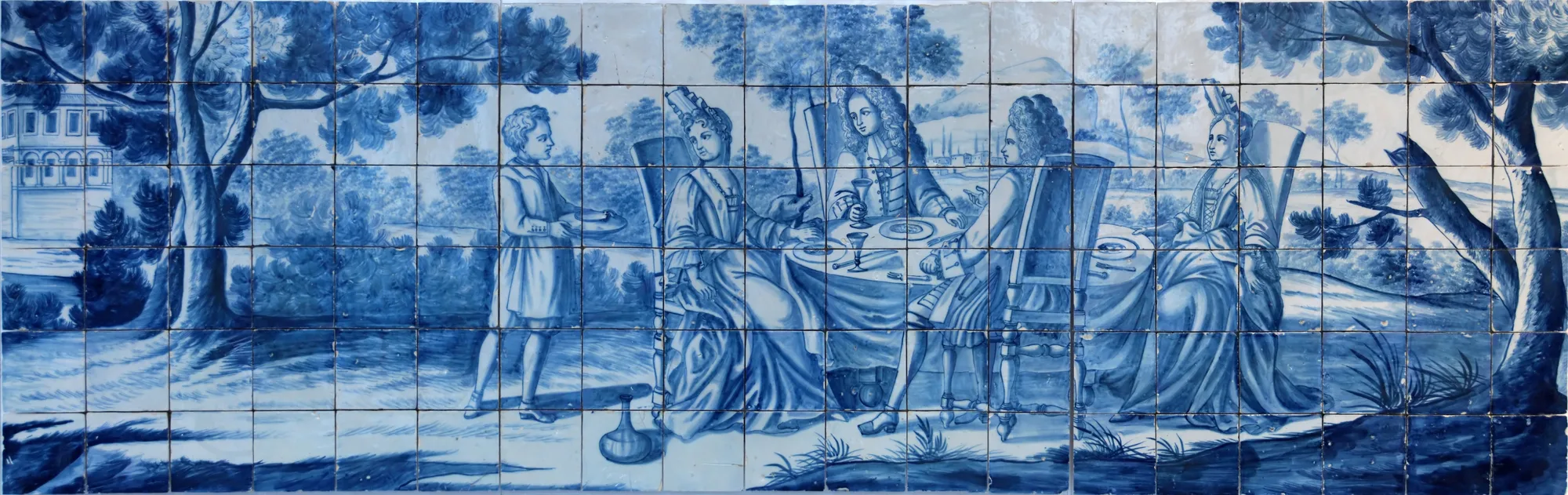
Quick answers (time, tickets, who it suits)
How long should you give it? Around an hour lets you take in the tile cloisters, the rooftop terrace and the royal pantheon without rushing — longer if you love azulejos and want to read the fable panels. Is it free? No: the church is generally accessible, but the tiled cloisters, terrace and pantheon are the paid, ticketed parts, and they’re the reason to come. Who will love it? Tile enthusiasts, calm-culture travellers, and anyone who prefers a quiet, rewarding stop to a crowded blockbuster.
When’s best? Earlier in the day is calmest and gives the nicest light on the terrace; aligning a Tuesday or Saturday visit with the neighbouring Feira da Ladra market makes for an efficient old-Lisbon morning. As ever, confirm the closing day, current hours and prices before you go, since they shift with the season.
- Time: about an hour for the cloisters, terrace and pantheon.
- Paid attraction: the tiled cloisters and terrace are the highlight.
- Best for tile lovers and travellers who like quiet, rich stops.
- Go earlier; pair with the Tues/Sat market — verify the closing day.

Map: São Vicente, the Pantheon, and the flea market cluster
Use these pins to keep your hill morning coherent — and to avoid turning the day into a zigzag climb.
Map pins
Map data © OpenStreetMap contributors · Tiles © OpenFreeMap


