Quick take
- Belém is one of Lisbon’s easiest half-days: flatter terrain, big monuments, river light.
- Jerónimos Monastery and Belém Tower are UNESCO World Heritage (inscribed in 1983 as one site).
- Go early for monuments (shorter lines) or late for river light (slower vibe).
- Pair monuments with a riverside walk toward modern architecture and museums.
- Add a pastry ritual — Belém is the classic place to do it.
- Don’t squeeze Belém into a hill-heavy day; let it be its own calm plan.
Why Belém is worth a dedicated half-day
Belém is Lisbon’s riverside monument district — the place where the city’s Age of Discoveries story becomes stone and skyline. It’s also one of the most comfortable areas to explore because it’s flatter and built around wide walking paths by the Tagus.
If your Lisbon trip has been all hills, Belém is the reset: big sky, river breeze, and a route that doesn’t punish your legs.
- Best for: monuments, museums, river walking, and a calmer pace.
- Ideal timing: morning for lines; late afternoon for golden river light.

The UNESCO core: Jerónimos Monastery and Belém Tower
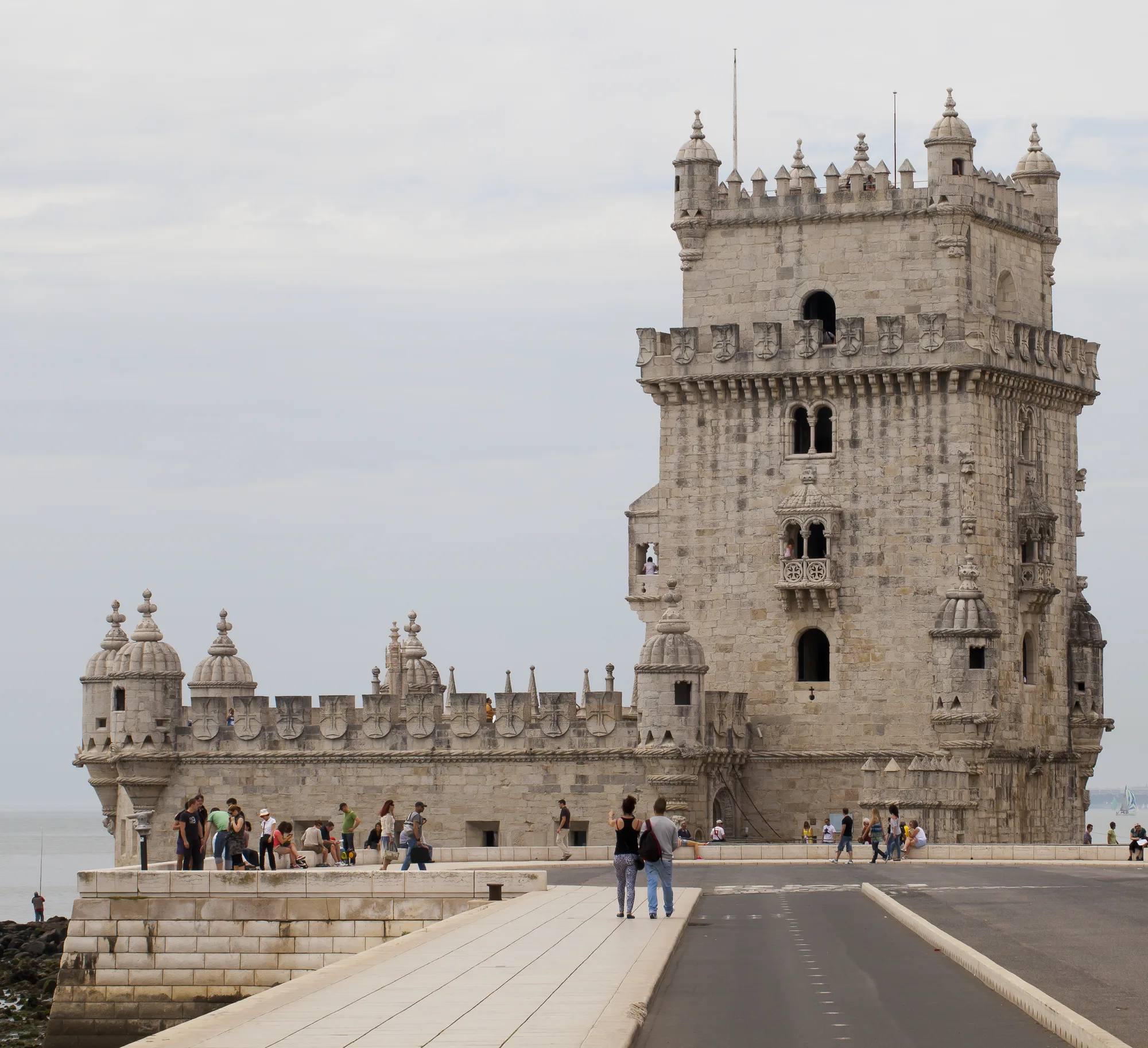
Belém’s headline sights — Jerónimos Monastery and Belém Tower — are part of a UNESCO World Heritage listing, inscribed in 1983 as one site. They’re iconic for a reason: maritime-era architecture, monumental detail, and Lisbon’s river story in one place.
If you want to visit interiors, go early. If you mainly want the atmosphere and photos, you can still have a great Belém day without spending hours in lines.
- UNESCO listing: Monastery of the Hieronymites and Tower of Belém in Lisbon (1983).
- Jerónimos Monastery: a major landmark linked to Portugal’s maritime era (construction began in 1502).
- Belém Tower: built in the early 16th century as a fortress at the river’s edge.
- Tip: decide in advance if you’re doing interiors — it changes your timing.
 Jerónimos MonasteryHow to visit without queue burnout (and what to pair it with).Belém TowerBest time for photos and when to skip the interior.
 Padrão dos DescobrimentosA quick Belém stop that adds a viewpoint moment to your day.
 Instagrammable LisbonBelém’s monuments are some of Lisbon’s most photogenic scenes.
 MuseumsHow to pair Belém with riverfront museums and modern spaces.
Sources
- UNESCO: Monastery of the Hieronymites and Tower of Belém ↗
Official UNESCO listing page (site overview + inscription details).
- Museus e Monumentos de Portugal: Jerónimos ↗
Official visitor information for the monastery.
- Museus e Monumentos de Portugal: Belém Tower ↗
Official visitor information for the tower.
A Belém route that flows (monuments → river → modern)
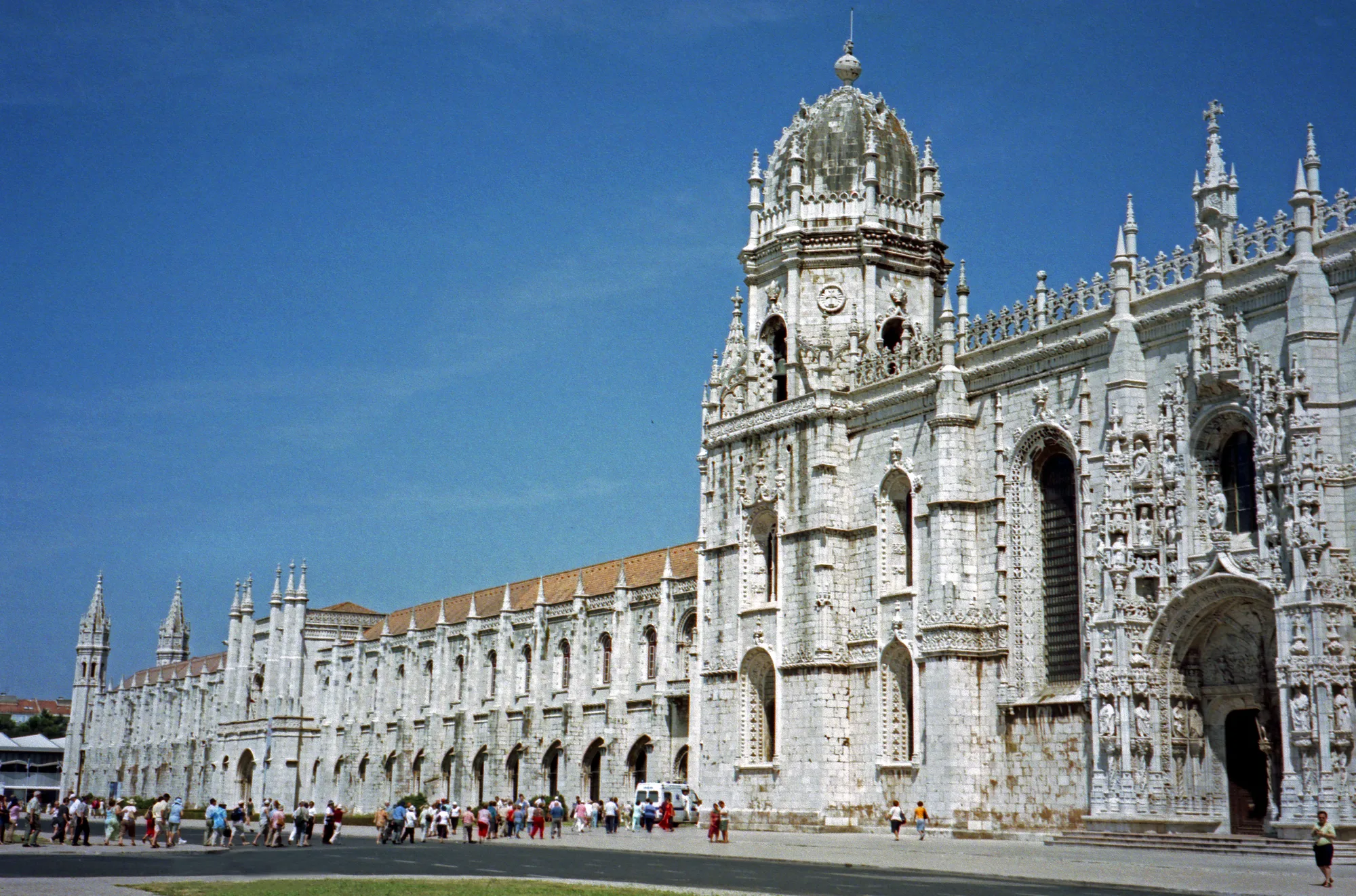
The best Belém half-day has a natural flow: do the monuments first while you’re fresh, then shift into riverfront walking. If you want modern architecture, continue toward the contemporary museum/architecture zone by the water.
A standout modern stop here is MAAT (Museum of Art, Architecture and Technology). MAAT opened to the public in 2016 and includes the former Central Tejo power station on the Tagus — a great contrast after Jerónimos and the old maritime-era monuments.
This route keeps the day feeling spacious rather than line-based.
- Start: monument cluster (early if you want interiors).
- Middle: riverside promenade walking and photo stops.
- Finish: modern architecture/museum zone (MAAT/Central Tejo) + pastry ritual.
 Pastel de nata guideThe perfect Belém pairing: pastry + coffee + slow pace.MAAT guideHow to visit MAAT as part of a Belém riverfront afternoon.Museums guideA shortlist approach to MAAT, tiles, and other museum moods.
 Romantic placesBelém is one of Lisbon’s best daytime couple routes.
Sources
- MAAT (official site) ↗
Visitor info for the Museum of Art, Architecture and Technology.
How to get to Belém (and what to avoid)
Belém is best reached by public transport or taxi/ride share, depending on where you’re starting. Once you’re there, it’s a walking district: wide paths, open space, and easy navigation.
The main thing to avoid is squeezing Belém into a day that already includes Alfama hills. Keep your trip coherent: hills day, riverfront day, modern day — not all at once.
- Belém is a ‘flat day’ — treat it as recovery from Lisbon’s hills.
- Go early if lines matter to you; go late if light and walking matter more.
The pastry ritual (and why it belongs to Belém)
No Belém day is complete without the pastry stop. The custard tart known the world over as pastel de nata has its origin story right here — the Belém version is tied to the monks of the Jerónimos Monastery, who reputedly made and sold these tarts, and the recipe became the template for a national obsession. Eating one a few steps from where the tradition began is, genuinely, part of the experience.
The done-thing is simple: a warm tart dusted with cinnamon and a strong coffee, taken as a pause rather than a grab-and-go. Expect a queue at the most famous spot, especially midday in high season; it usually moves, and there’s often a faster takeaway counter alongside the sit-down rooms. If the line feels absurd, plenty of good bakeries across Belém and the wider city serve excellent versions too — the ritual matters more than the address.
- Origin: the custard tart tradition is rooted in Belém and the Jerónimos monks.
- How to do it: a warm tart with cinnamon + a strong coffee, sitting down.
- Queues: expect them at the famous spot midday — a takeaway counter is often quicker.
Pastel de nata guideWhere to eat them well and how the Belém ritual works.Portuguese dessertsBeyond the nata — the wider world of Lisbon sweets.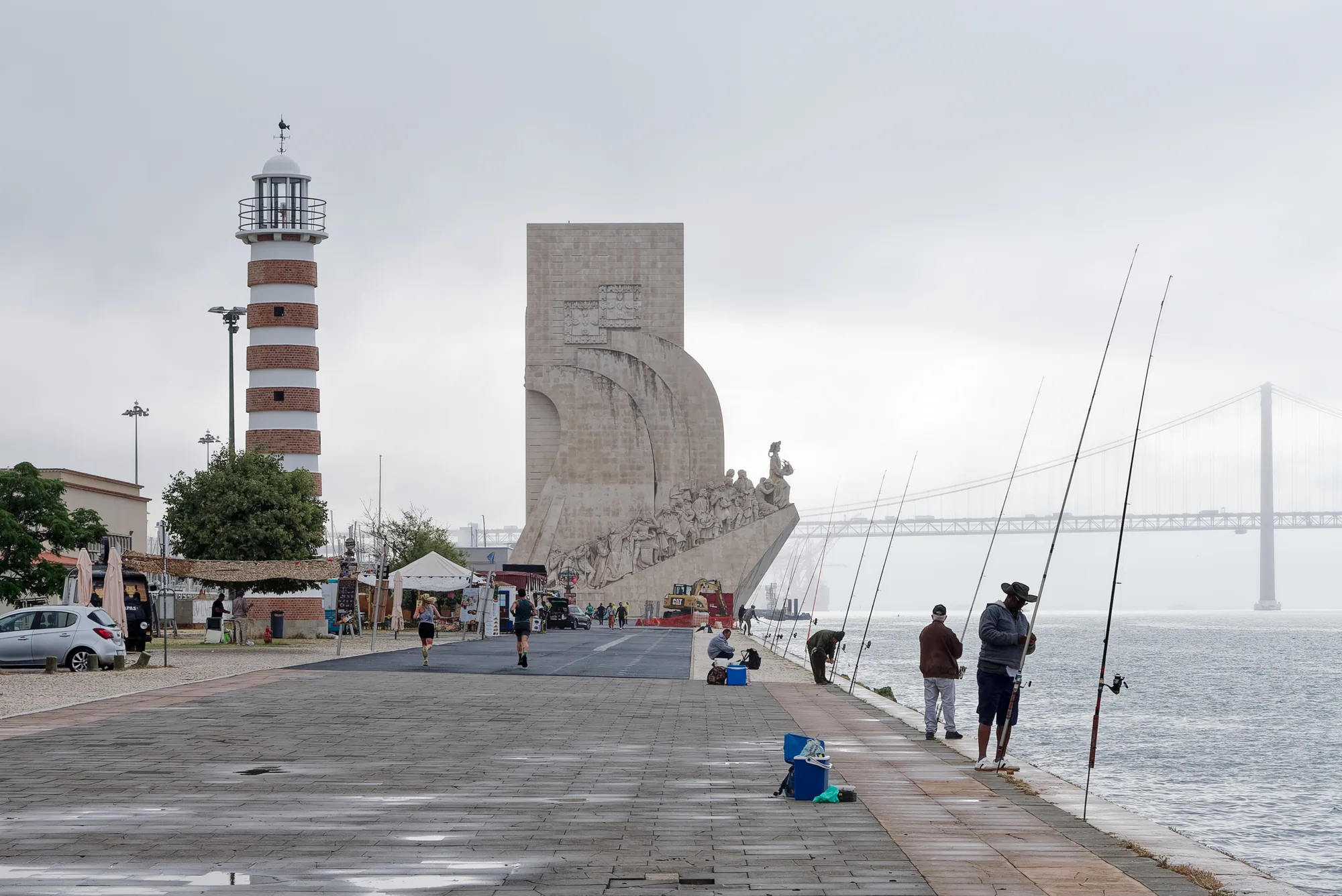
How long to give Belém (and what to skip)
Belém is built for a half-day, and trying to ‘complete’ it in a couple of rushed hours is the most common mistake. A relaxed half-day lets you do one major interior, walk the riverfront, take in the outdoor icons, and have your pastry without sprinting. If you’re a museum-lover, the area can easily fill a full, leisurely day once you add MAAT, the carriage museum, or other riverside collections — but only do that if a slow pace suits you.
The thing to avoid is stacking too many interiors. Pick one headline visit (usually Jerónimos), enjoy the rest from outside, and let the promenade be the connective tissue. Belém’s real magic is the open sky and river light, not the number of tickets you buy. And because the district is flat and spacious, it’s the perfect ‘recovery’ day to slot in after a hill-heavy outing in Alfama or Graça.
- Plan: a relaxed half-day; a full slow day only if you love museums.
- Skip: stacking multiple interiors — choose one headline and enjoy the rest outside.
- Best slotting: as a flat recovery day after the hill neighbourhoods.
When to go for the calmest visit
Belém’s monuments are popular, so timing is the single biggest lever on how pleasant your visit feels. Early morning is best if you want to go inside Jerónimos or the tower with the shortest lines, while late afternoon trades shorter queues for the warm river light that makes Belém so photogenic. Midday in high season is the worst of both worlds: hottest, busiest, and least flattering for photos.
The exterior icons and the riverside walk are enjoyable at any hour and never really ‘sell out’, so even on a crowded day you can have a good time by leaning into the outdoor parts. Whatever you choose, confirm current opening hours and any ticket rules on the official sites before you go, since they change seasonally — and remember that one or two of Lisbon’s headline collections may be partly closed for renovation, so a quick check saves disappointment.
- Early morning: shortest interior queues; late afternoon: best light.
- Avoid midday in high season — hot, busy, and poor for photos.
- A quick look at official hours, tickets, and any renovation closures before you go is wise.


