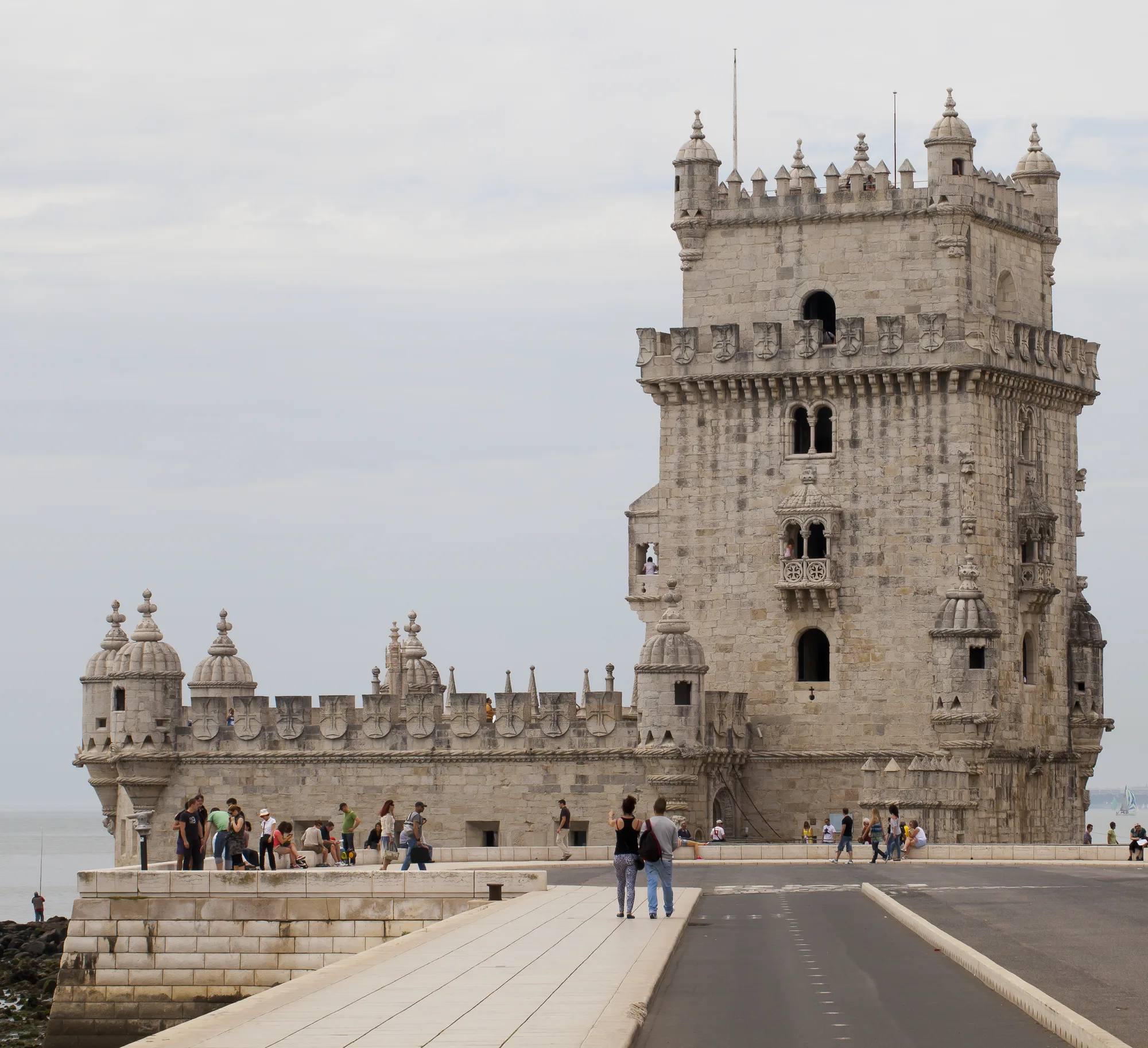
Quick take
- Belém Tower is the classic riverfront icon — go for the atmosphere and the setting, not a long ‘inside’ mission.
- Reopened May 2026 after a 13-month restoration, now with timed entry (60 visitors per 30 min, 900/day).
- Interior: €15 adult (a combined Belém Tower + Jerónimos ticket is also available — check current pricing); open Tue–Sun ~09:30–17:30, closed Mondays.
- Best in soft light: early morning, late afternoon, or golden hour by the Tagus.
- It’s UNESCO-listed together with Jerónimos Monastery (inscribed in 1983 as one site).
- Pair it with a riverfront walk and one other Belém stop (Jerónimos or Padrão).
- If lines are long, enjoy it from outside and keep your Belém day flowing.
- Belém is a ‘flat day’ — perfect after Alfama/Graça hills.
What to expect (and what makes it special)
Belém Tower sits right at the river’s edge — which is why it photographs so beautifully and feels so ‘Lisbon’. The setting is the story: water, sky, stone, and the long river light that makes Belém feel spacious.
If you’re deciding whether to go inside, be honest about your travel style. Many visitors are happiest treating the tower as an outdoor icon — photos, a walk, a pause — and spending their time elsewhere.
- Best for: riverfront atmosphere, photos, and a classic Lisbon icon.
- Good to know: it’s very popular — timing matters.
 Belém guideA half-day route that pairs monuments with river walking.Jerónimos MonasteryBelém’s most iconic interior visit (if you choose one).
Sources
- UNESCO: Monastery of the Hieronymites and Tower of Belém ↗
Official UNESCO listing page for the Jerónimos + tower site.
- Museus e Monumentos de Portugal: Belém Tower ↗
Official visitor information for the tower.
- Visit Lisboa: Belém Tower ↗
Visitor overview, access notes, and practical context.
Best time for photos (and a calmer visit)
Belém Tower is most enjoyable when it feels airy. Aim for early morning or late afternoon if you want softer light and a calmer vibe.
If you’re visiting on a busy season weekend, expect crowds. Since the May 2026 reopening the interior runs on timed entry — a maximum of 60 visitors every 30 minutes (900 per day) — so booking a slot online is now the only reliable way in at peak times. The good news: Belém is lovely outside — you can keep the day romantic even if you skip the interior.
- Best light: early morning or golden hour.
- Interior runs on timed entry (60 per 30 min) — book a slot online for peak times.
- Best strategy: treat it as one stop in a flowing Belém route.
 Sunset in LisbonIf you’re chasing light, plan it intentionally — not randomly.Walking routesBelém stroll ideas that feel scenic without stairs.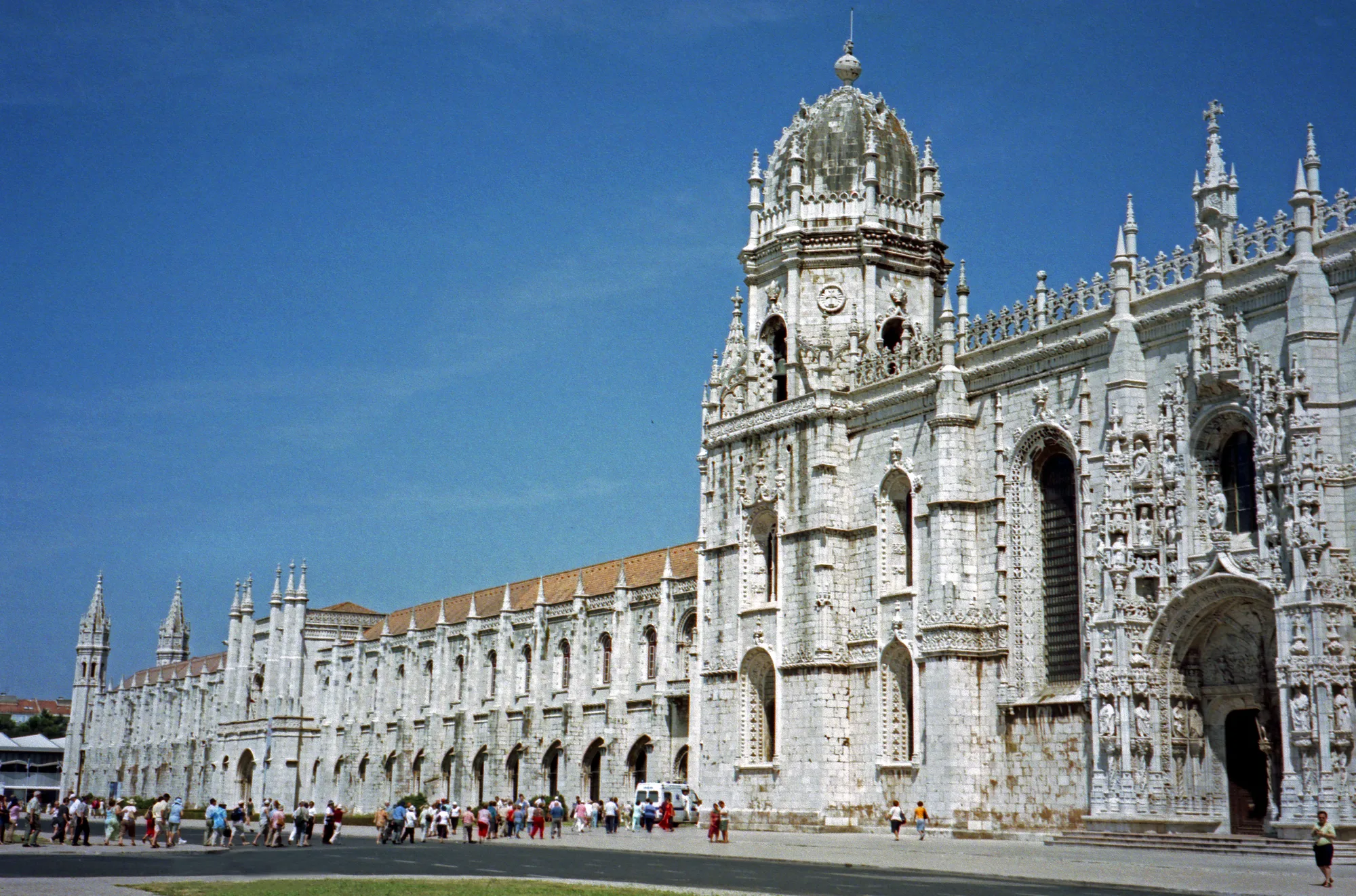
A Belém pairing that feels perfect
Belém works best as a sequence: one major monument, one outdoor icon, then river walking. If your major monument is Jerónimos, keep Belém Tower as your outdoor icon and finish with a pastry ritual.
If you’re short on time, don’t try to ‘do everything’. Do one thing well, then let the riverfront be the experience.
- Jerónimos (inside) + Belém Tower (outside) + river walk + pastry.
- Swap-in option: add Padrão dos Descobrimentos for a viewpoint.

A little history (so the stone means more)
Belém Tower (Torre de Belém) was built in the early 16th century as part of a defensive system guarding the mouth of the Tagus, in the era when Lisbon was the launch point for Portugal’s sea voyages. It sits in the Manueline style — the ornate, maritime-flavoured Portuguese late-Gothic that you also see at nearby Jerónimos — so look for the rope-like carvings, the armillary spheres, and the small stone watchtowers that read almost like lanterns from the water.
It was inscribed on the UNESCO World Heritage list in 1983 together with the Jerónimos Monastery, recognised as a single site that captures Lisbon’s Age of Discoveries. Knowing that the tower once stood closer to the middle of the river — the shoreline has shifted over the centuries — helps explain why it feels like it’s standing in the water rather than on it.
You don’t need to be a history buff to appreciate the setting, but a minute of context turns a quick photo stop into something that lands. This is, very literally, the edge of old Europe looking out to sea.
- Style: Manueline (Portuguese late-Gothic) — rope carvings, armillary spheres, maritime motifs.
- Status: UNESCO World Heritage (1983), listed jointly with Jerónimos Monastery.
- Why it sits ‘in’ the river: the Tagus shoreline has shifted over centuries.

Getting there (and how it fits the day)
Belém sits west of the centre along the river, and it’s an easy add to any Belém half-day rather than a trip on its own. Most visitors reach the district by tram along the riverfront, by bus, or on the suburban train line that runs out toward Cascais (the Belém station is a short walk from the monuments). Taxis and ride-hailing are simple too, and useful at the end of a hot day.
From the monastery side, the tower is a flat riverside walk away — you’ll pass the Padrão dos Descobrimentos on the way, which makes the stretch feel like a planned route rather than a slog. Because Belém is one of Lisbon’s flatter zones, it’s a kind walk even if your legs are tired from Alfama’s stairs.
Adult admission to the interior is €15 (a combined Belém Tower + Jerónimos ticket is also available — worth it if you’re doing both, though it’s best to check the current price), and timed slots can be booked online or bought at the Jerónimos Monastery ticket office. It’s open Tuesday–Sunday, roughly 09:30–17:30 (last entry 17:00), and closed on Mondays.
- Riverfront tram, bus, or the Cascais-line train (Belém station) all work.
- Flat walk from Jerónimos → Padrão → tower — no stairs, river the whole way.
- Interior: €15 adult (combined Belém Tower + Jerónimos ticket also available); open Tue–Sun, closed Mondays.
 Getting around LisbonHow trams, buses, and trains connect the centre to Belém.Belém guideThe full half-day route with sensible sequencing and pacing.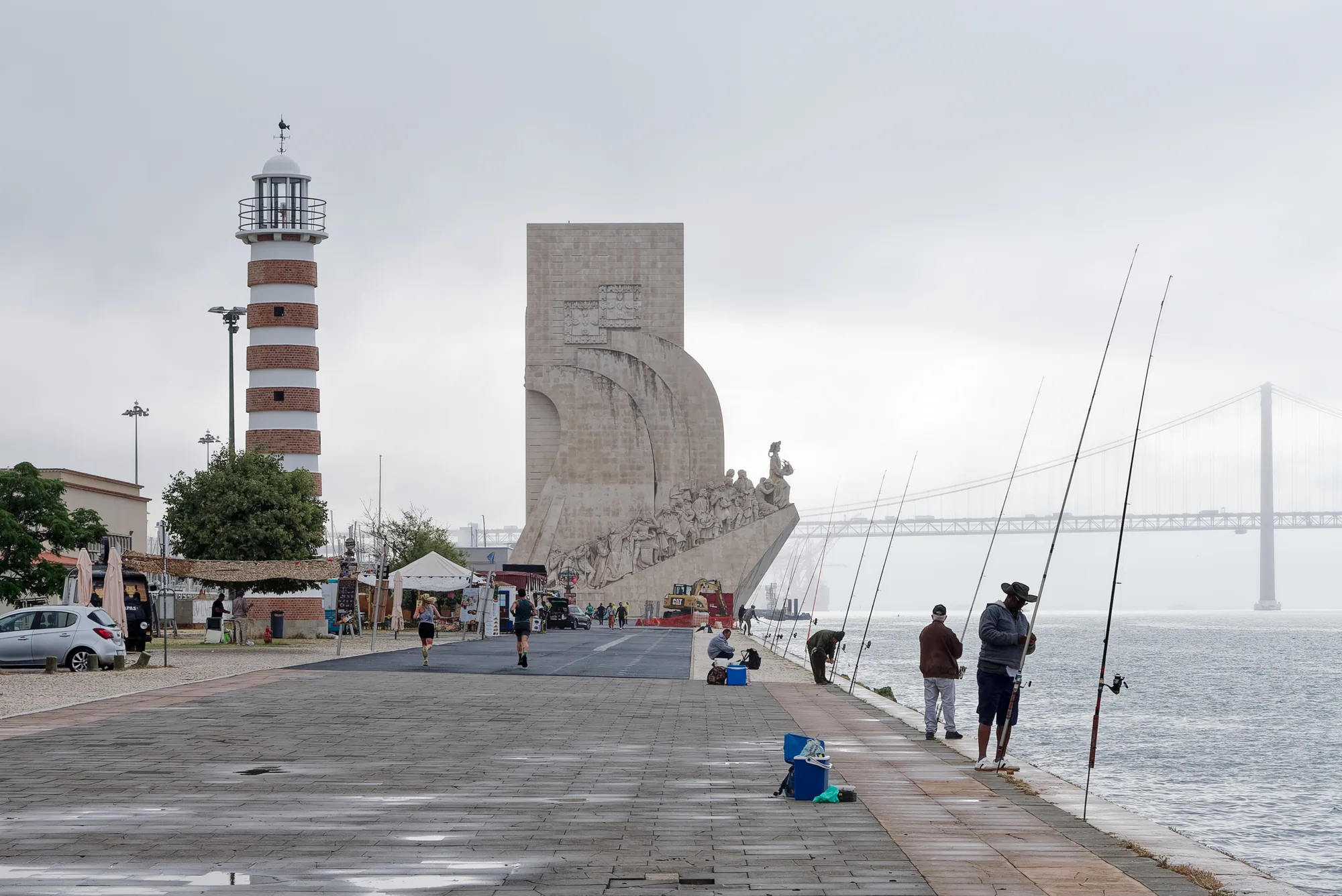
Common questions (quick answers)
Two questions come up again and again: is it worth going inside, and when should you come. Inside, the tower is compact — narrow staircases, small rooms, a rooftop terrace with river views — and it can bottleneck at busy times because the stairs are tight. If you love historic interiors and arrive early, it’s rewarding; if you’re short on time or travelling with anyone who struggles with steep, narrow stairs, the outside is genuinely the main event.
On timing, the tower is calmest and most photogenic in early morning or the last hours before sunset, when the light goes warm and the crowds thin. Midday in high season is the busiest, hottest, and least flattering for photos. Whatever you decide, keep it as one stop in a flowing Belém plan rather than a destination you build the whole day around.
- Worth going inside? Yes if you love interiors and arrive early; otherwise the exterior is the highlight.
- Best time: early morning or golden hour for light and calm.
- Accessibility note: interior stairs are narrow and steep — plan around that.
- Hours and closures are worth a re-check officially before your visit.
- Pickpocket awareness: the riverside crowds here are dense — keep valuables secure.
What to pair it with nearby
Belém Tower is best enjoyed as one beat in a flat, riverside afternoon rather than a solo destination. Within an easy walk you have the Padrão dos Descobrimentos and Jerónimos Monastery, plus the long Tagus promenade that ties them together — and Belém is famously the home of the city’s most ritualised pastry stop, which makes a natural ending. Further along the water sits MAAT for a jolt of modern architecture if you still have energy.
A simple, satisfying order is: one interior (Jerónimos if you want it), the tower from outside, the Padrão for a viewpoint, then pastry and coffee as the day softens. That keeps the whole afternoon flowing on flat ground and saves your legs for the hill neighbourhoods on another day.
- Within walking distance: Jerónimos, Padrão dos Descobrimentos, MAAT, the river promenade.
- Classic ending: pastel de nata and coffee once the light goes golden.
- Keep Belém its own (flat) day rather than bolting it onto an Alfama-hills day.


