
Quick take
- Anchor your days by neighborhood: Baixa/Chiado, Alfama, Belém, and a riverside-modern afternoon in Parque das Nações.
- For classic Lisbon: ride Tram 28 once, then walk the same hills at your own pace.
- Prioritize one miradouro at sunset (or two: one popular, one quiet).
- Belém’s monuments pair perfectly with a riverside bike/boardwalk stretch.
- Keep one flexible slot for a day trip — Sintra is the fairytale classic, Cascais is the breezy coast.
- If you only have one museum day, split it: tiles + contemporary riverfront architecture.
A first-time Lisbon plan (that actually works)
Lisbon is compact on the map and steep in real life. The easiest way to enjoy it is to group sights into walkable clusters: Baixa + Chiado in one loop, Alfama + Graça in another, and Belém as a dedicated riverside outing.
Start with one “north star” per day (a monument, a museum, a neighborhood), then add two light extras — a viewpoint, a café, a market. Over-scheduling is the fastest way to turn Lisbon’s hills into a chore.
If you’re traveling as a couple, build in golden-hour time. Lisbon’s light is famously warm — especially from river-facing terraces — and the city feels most itself when the rooftops go soft and the streets slow down.
- Day 1: Baixa → Chiado → Bairro Alto → sunset at Santa Catarina (Adamastor).
- Day 2: Alfama → Sé area → Castelo hill → Graça viewpoints → fado at night.
- Day 3: Belém monuments → riverside walk/bike → MAAT area → early night.
- Bonus: Parque das Nações for a modern, easy-paced afternoon (Oceanário, riverside cable car, wide promenades).
Old Lisbon: Alfama, Sé, and the castle hill
Alfama is Lisbon’s oldest neighborhood, draped between Castelo de São Jorge and the Tagus. It’s not about ticking off attractions; it’s about lanes, staircases, laundry lines, small squares, and the sound of fado at night.
To keep it enjoyable, go early (or late). Midday crowds can compress the narrow streets. A simple route is to start near Martim Moniz, climb toward Graça for the views, then drift down through Alfama toward the river.
- Best rhythm: uphill first (views + calm), downhill later (wandering + dinner).
- Expect uneven cobblestones; good shoes change your whole day.
- Pair with a single tram ride if you want the classic postcard experience.
 Alfama guideHow to explore the oldest district without getting “lost-tired”.Lisbon Cathedral (Sé)A calm stop that fits perfectly into an Alfama + castle day.
 Castelo de São JorgeHow to time the classic castle viewpoint (and keep it enjoyable).
 São Vicente de ForaTiles + old-Lisbon atmosphere in the same hill zone.National PantheonA quieter panoramic moment in the historic hills.Lisbon viewpoints (miradouros)Where to go at golden hour — and what you’ll actually see.
Downtown Lisbon: Baixa & Chiado (the elegant core)
Baixa (also called Baixa Pombalina) is Lisbon’s downtown grid, rebuilt after the 1755 earthquake. It’s flat by Lisbon standards — which is why it’s a great first-day base to reset your sense of direction.
Chiado sits between Baixa and Bairro Alto and blends old cafés with design shops and theaters. It’s perfect for a slow afternoon: browse, snack, then ascend toward nightlife or viewpoints.
Don’t treat these neighborhoods as a checklist. Treat them as the connective tissue that makes the rest of Lisbon feel easy.
- Baixa is for orientation, plazas, and the satisfying geometry of the rebuilt grid.
- Chiado is for cafés, bookstores, and the gentle climb toward Bairro Alto.
- Plan a ‘flat hour’ here if you’re doing heavy hills elsewhere the same day.
 Baixa & Chiado guideA walkable loop with stops for cafés, views, and shopping.
 Praça do ComércioLisbon’s grand riverfront square (and an easy starting point).Rua Augusta ArchA fast, central viewpoint above Baixa rooftops.Santa Justa liftA classic shortcut from Baixa up to Largo do Carmo.
 Best cafés in LisbonCoffee rituals, pastel breaks, and places to linger.
Belém: Lisbon’s Age of Discoveries riverfront
Belém is where Lisbon opens out along the Tagus. The area’s monumental cluster includes the Jerónimos Monastery and Belém Tower — together a UNESCO World Heritage site — plus the Monument to the Discoveries and museums along the river.
Make Belém a dedicated half-day to avoid zigzagging. Go early if you want the monuments; go later if you want light on the water and a long riverside walk.
- UNESCO complex: Jerónimos Monastery (construction began 1502) + Belém Tower (early 1500s).
- Best pairing: monuments + modern riverfront architecture + a relaxed pastry stop.
- Belém is flatter than central Lisbon — a good ‘rest-hills’ day.
 Belém guideWhat to see, how to sequence it, and when to go.Jerónimos MonasteryHow to visit without queue burnout (and what to pair it with).Belém TowerBest time for photos and when to skip the interior.Padrão dos DescobrimentosA quick Belém stop that adds a viewpoint moment to your day.
 Lisboa CardIf you’re doing monuments + museums, a pass may simplify the day.Museums in LisbonA curated shortlist: tiles, art, and modern Lisbon.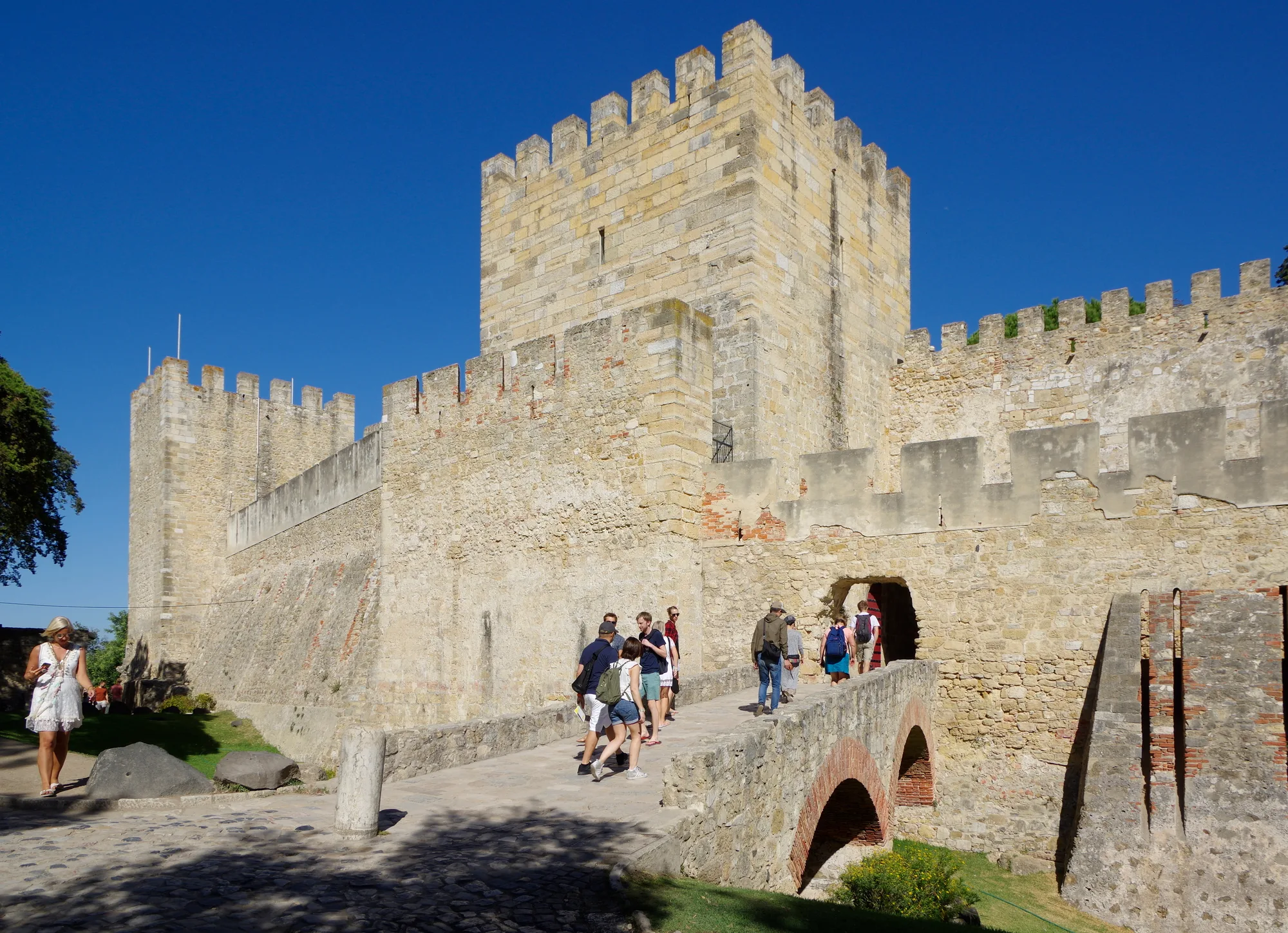
Modern Lisbon: Parque das Nações
Parque das Nações (the former Expo ’98 site) is Lisbon’s contemporary waterfront district — wide promenades, modern architecture, and easy movement. It’s where you go when you want Lisbon without the stairs.
The Lisbon Oceanarium is here — inaugurated in 1998 as part of Expo ’98 — and the riverside area is built for strolling, biking, and slow afternoons.
- Great reset day: modern riverside walking + Oceanário + coffee with space to breathe.
- Best for families and for travelers who want a quieter, less crowded rhythm.
- Perfect contrast after a day in Alfama’s tight lanes.
Parque das Nações guideWhat to do in Lisbon’s modern riverside district.Oceanário de LisboaA calm half-day anchor — perfect with a riverfront walk.Museums in LisbonHow to build a museum day around Oceanário or MAAT without overplanning.Day trips from LisbonHow to pick the right escape: palaces, coast, or cliffs.The free side of Lisbon (which is most of it)
A lot of Lisbon’s best experiences cost nothing. The hills, the river, the tiled façades, the miradouros, and the simple act of walking from one neighborhood into the next are the city’s real headline acts — and they’re all free. Treat paid interiors as occasional anchors, not the spine of your trip.
Churches are a quiet exception worth knowing: many are free to enter even when their towers, cloisters, or special exhibitions are ticketed. The Sé (Lisbon Cathedral) and São Vicente de Fora are good examples — you can step into the main space, feel the scale, and move on without committing to a full paid visit.
If your budget is tight, build days around viewpoints, gardens, riverfront walks, and street texture, then add one ticketed thing every couple of days. Lisbon stays generous when you let it.
- Free by default: miradouros, riverfront promenades, parks and gardens, and almost all street-level wandering.
- Often free to enter (interiors): the main spaces of several churches — it’s worth checking whether towers/cloisters/exhibitions are ticketed before you go.
- Worth paying for: one or two ‘interior’ icons (a monastery, a tower, a museum) rather than a long ticket list.
Tiles, fado, and the textures that make it Lisbon
Beyond the monument checklist, Lisbon’s character lives in a few recurring textures. Azulejos — glazed ceramic tiles — cover façades, line stairwells, and turn ordinary streets into pattern. Once you start noticing them, the whole city reads differently, and a single ‘tile walk’ (just looking up as you wander) becomes one of the most memorable free things you can do.
Fado is the other defining thread: a melancholic, intimate style of song born in the old quarters of Alfama and Mouraria and recognised by UNESCO as intangible cultural heritage. You don’t need to be a music expert — one evening in a small fado house, with the lights low and conversation paused, is enough to understand why Lisbon sounds the way it does.
If you want one ‘deep Lisbon’ activity beyond the headline sights, choose between these two: a deliberate tile-spotting afternoon, or a single fado night. Either will make the rest of your trip feel richer.
- Tiles: look up on façades, in churches, and at metro stations — not just in museums.
- Fado: pick one evening, go in to listen rather than to chat, and keep the night slow.
- Both are evergreen Lisbon — they don’t depend on the season or the weather.

Things to do by traveler type (a fast filter)
Lisbon rewards almost everyone, but the ‘best’ things change depending on who you are and how you like to move. Use this as a quick filter, then go deeper in the guide that matches you. The goal is to spend your energy on the parts of the city you’ll actually enjoy — not on a generic list.
Whatever your type, the underlying rule holds: cluster by neighborhood, do your climb early, and keep one slot loose for the unplanned thing that ends up being your favorite memory.
- First-timers: Baixa/Chiado + Alfama + Belém + one sunset miradouro covers the essentials.
- Couples: golden-hour viewpoints, a fado night, and slow garden-and-café afternoons in Príncipe Real or Estrela.
- Families: Parque das Nações and the Oceanário, the riverfront, and flatter, low-stairs days.
- Foodies: a pastel de nata ritual, one seafood meal, a petiscos night, and a market visit.
- Rain or heat: museums, churches, markets, and a long café pause as your mid-day reset.
First time in LisbonThe simplest way to structure a first trip.Lisbon with kidsLower-stairs, higher-fun plans for families.Food & drink in LisbonBuild a trip rhythm around pastries, seafood, and petiscos.Rainy day LisbonIndoor anchors and weather-proof plans.
How long do you need, and when to go
Most travelers find Lisbon needs at least three full days to feel right: one for the central core, one for the old hills, and one for Belém or modern riverside. With four or five days you can add a day trip and still keep slow mornings. A single day is enough only for a tight central loop — treat it as a teaser, not the whole city.
Season changes the rhythm more than the sights. Spring and autumn are the gentlest for walking; summer days get hot and busy, so lean into early starts, shaded mid-days, and late golden hours; winter is mild and quieter, with earlier (and often beautiful) sunsets. The city’s core experiences — hills, tiles, viewpoints, the river — work all year, so plan around comfort rather than fear of missing out.
- 1 day: a central loop only (Baixa → Chiado → a riverside sunset).
- 3 days: core + old hills + Belém — the classic, comfortable trip.
- 4–5 days: add one day trip (Sintra or Cascais) and a slow modern-Lisbon day.
- Best months for walking comfort: spring and autumn; summer needs heat strategy; winter is mild and quiet.
The classic landmarks, ranked by ‘worth the queue’
Lisbon’s headline sights are clustered, which is lucky, but not all of them justify a long wait or a ticket. The two that almost always reward the effort are in Belém: the Jerónimos Monastery, a masterpiece of the ornate Manueline style begun in 1502, and the Belém Tower, the little riverside fortress that together with the monastery forms a UNESCO World Heritage site. Go early, and consider whether the interiors matter to you or whether the exteriors and setting are enough.
Up in the old hills, Castelo de São Jorge is more about ramparts, pine-shaded terraces, and the citywide view than dense history — a fair-weather, time-it-well kind of visit. The Sé (Lisbon Cathedral) is a quick, calm stop you can fold into an Alfama day. Many travelers find the best ‘landmark’ in Lisbon costs nothing at all: standing at a miradouro as the light turns gold. Treat ticketed icons as one-per-day anchors, not a list to clear.
- Almost always worth it: Jerónimos Monastery + Belém Tower (go early; UNESCO).
- Worth it on a clear day: Castelo de São Jorge for ramparts and the big view.
- Quick and calm: the Sé (Lisbon Cathedral), easy to fold into an Alfama day.
- Free and unbeatable: a miradouro at golden hour.
How to avoid the common Lisbon mistakes
Most disappointing Lisbon days come from a handful of avoidable errors, and they’re easy to design out. The biggest is treating the city as flat: distances that look short on a map become real climbs, so cramming Belém, Alfama, and Parque das Nações into one day leaves you commuting vertically instead of enjoying anything. Pick one main area per day and chain compatible neighborhoods.
The second is footwear — smooth soles on wet, polished cobblestone are the city’s most common avoidable slip. The third is the iconic Tram 28: it’s genuinely charming but crowded and pickpocket-prone at peak times, so ride it early or treat it as optional and walk the same hills. And finally, don’t over-schedule: leave one loose slot a day for the wrong turn, the long café, or the viewpoint you weren’t going to bother with. Those are usually the moments people remember.
- Don’t criss-cross the hills — one main area per day.
- Wear grippy shoes; cobblestones get slick when wet.
- Tram 28: ride early or skip it — it’s crowded and pickpocket-prone at peak.
- Keep belongings secure on crowded trams and at busy viewpoints.
- Under-plan one slot a day for the unplanned moment.
Quick answers (what people ask before a Lisbon trip)
A few practical questions tend to settle a plan. Is Lisbon walkable? Yes — but it’s steep, so combine walking with the metro and the historic lifts rather than relying on legs alone. Do you need to book sights in advance? Mostly no, with the busy exceptions of the Belém monuments and (if you day-trip) Sintra’s palaces, where a timed ticket saves a long queue in peak season.
Is it expensive? Lisbon remains good value for a Western European capital, especially for food and transport, as long as you eat one street back from the famous squares. And what’s the one thing not to skip? A miradouro at golden hour — it’s free, it’s the city at its most beautiful, and it’s the moment most visitors remember. Verify hours and ticket rules on official sites close to your visit, since these change.
- Walkable? Yes, but steep — pair walking with metro and lifts.
- Pre-book? Only the busiest sights (Belém monuments; Sintra palaces).
- Expensive? Good value overall — eat one street off the tourist squares.
- Don’t skip: a miradouro at golden hour.


