
Quick take
- Easiest no-car day trips: Sintra (train) and Cascais (train).
- Best low-effort half-day: Cristo Rei via ferry + short local transport.
- Best no-car beach day: Cascais line beaches (or a simple south-bank beach plan).
- Best no-car “quiet culture” day: Évora works well as a longer train day.
- No-car day trips are best when you keep the plan simple: one main stop, one long lunch, one slow walk.
- The biggest crowd strategy is timing: start early and avoid stacking multiple destinations.
The no-car day trip mindset (Lisbon-style)
Lisbon is a great base for day trips without a car. The trick is choosing trips that have simple transport and a walkable ‘arrival zone’.
A no-car day trip should feel like a treat, not a transport puzzle. If a day requires multiple transfers, tight timing, and long uphill walks, it’s usually a better fit for a longer trip — not a quick add-on.
- Choose one destination per day (don’t chain multiple towns).
- Start earlier than you think (crowds and comfort improve dramatically).
- Plan one long lunch — it makes the day feel like vacation, not errands.

Easiest day trips by train (best first choice)
If you want the simplest no-car day trip experience, choose the train. You’ll get reliable routing, easy station logic, and destinations that work well on foot once you arrive.
These are the classic choices because they’re both high-payoff and low-friction.
- Sintra: palaces, gardens, and drama (bigger wow, more crowds).
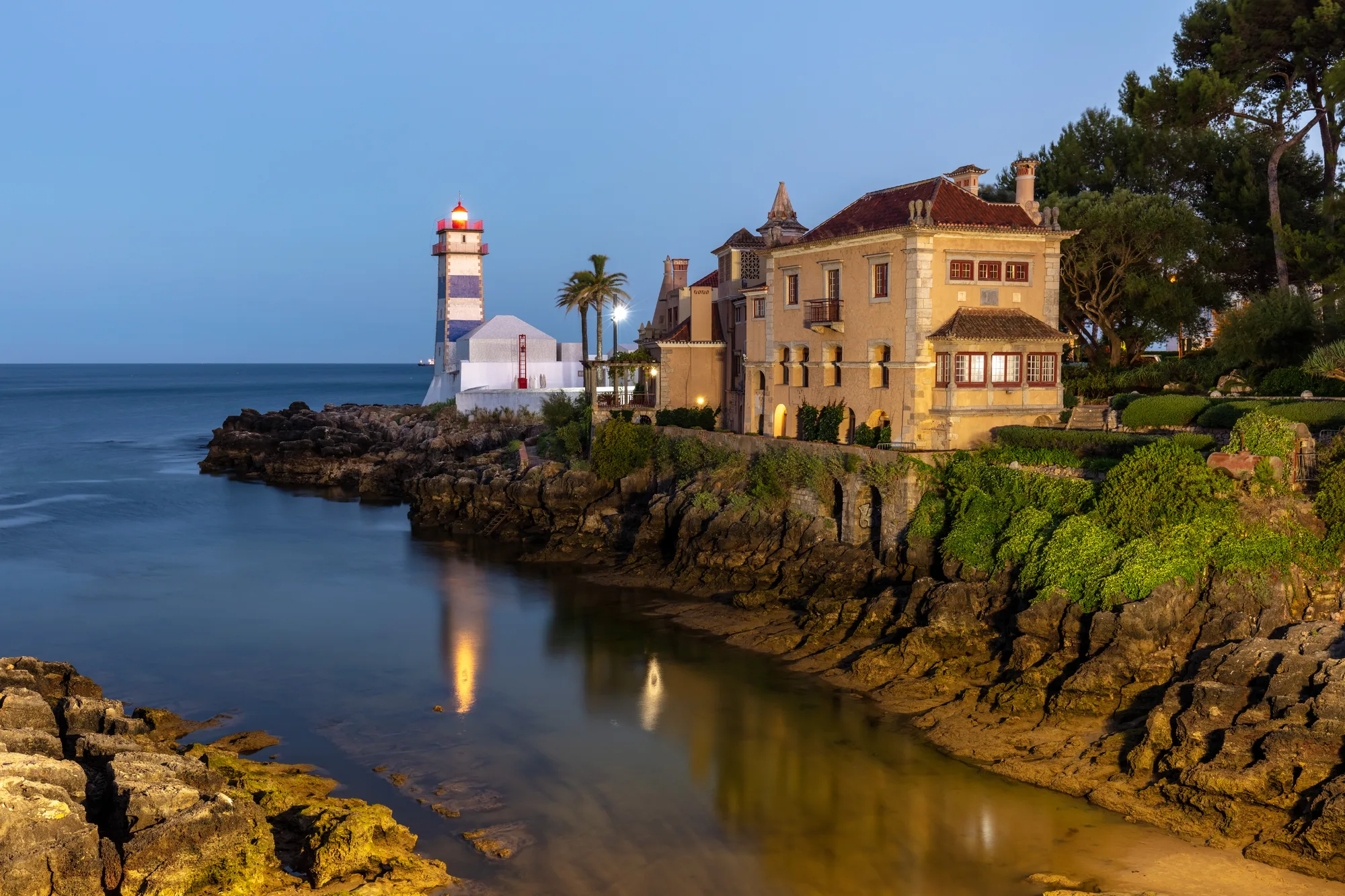
- Cascais: beaches, promenade walks, relaxed town energy (calmer, easier).
- Évora: deeper-history inland day (longer day, best for culture lovers).
Best no-car half-day: Cristo Rei (ferry + big views)
If you want a day-trip feeling without spending a whole day, cross the river. Cristo Rei delivers an iconic viewpoint back toward Lisbon, and the ferry ride itself feels like a mood shift.
This is a perfect move on shorter trips because it doesn’t steal a full Lisbon day — it refreshes it.
- Best for: clear-weather days, couples, and anyone who wants a ‘big view’ with low stress.
- Pairs perfectly with: sunset back in Lisbon and a simple dinner.
 Cristo Rei guideA half-day plan across the river, built around calm logistics.Sunset guideThe easiest way to make the evening after a day trip feel perfect.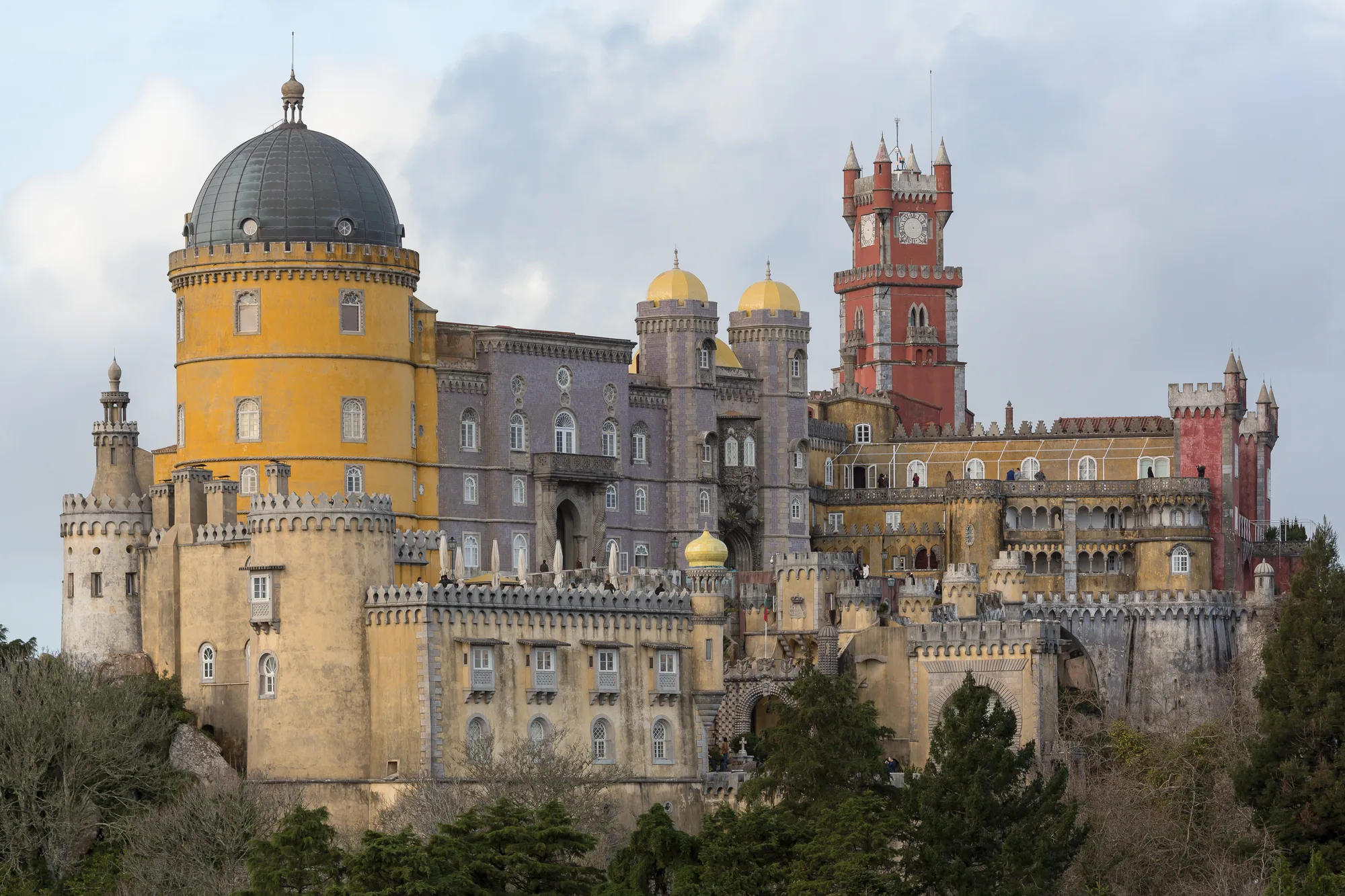
No-car beach days (simple options)
The best no-car beach days are the ones with straightforward transport and an easy ‘walk from the station to the sand’ setup. That’s why the Cascais line wins for many travelers.
If you want bigger sand stretches and a different vibe, a south-bank beach day can work too — just keep the plan simple.
- Easiest by rail: Cascais line beaches (including Carcavelos and the Cascais town end).
- Bigger sand vibe: south-bank coastline (choose one beach zone and commit).

Bus-based day trips (great, but choose carefully)
Some great day trips rely on buses or regional connections. They can be excellent — just keep your expectations realistic: fewer departures, more time sensitivity, and sometimes less obvious station logic.
These are best on longer trips when you can afford a slower day (or a pivot if timing isn’t perfect).
- Mafra: a calmer architectural day with one major cultural anchor.
- Ericeira: surf-town energy and a horizon reset.
- Sesimbra/Setúbal: seafood and coast vibes (best when you plan a long lunch).
How to fit a no-car day trip into your Lisbon itinerary
The biggest planning win is not where you go — it’s where you place the day trip. Put it after a hill-heavy day if you want a reset, or after a museum day if you want fresh air.
Then keep the evening after the day trip intentionally light: a river walk, sunset, and a simple dinner near your base.
- Best fit: 4–7 day trips (you can spare one full day).
- Hard fit: 1–2 day trips (you’ll lose too much Lisbon time).
- After the day trip: choose comfort, not ambition.
Buying tickets and using stations (no-car logistics)
Doing day trips without a car is mostly about getting the station logic right, and it’s simpler than it looks. The Sintra and Cascais trips run on CP’s urban rail lines, where you typically use the same reusable transit card you already have for the city (loaded appropriately), validating at the gates. Departures are frequent on these popular lines, which is forgiving — but it also means trains fill, so an early start buys you both a seat and a calmer destination.
Two practical notes. First, the day-trip rail can be a separate fare from the metro/tram, so don’t assume one city ticket automatically covers everything — confirm what your card or pass includes on the official sites. Second, the Cristo Rei half-day uses a ferry rather than a train, and ferry timetables are less frequent than trains, so it pays to glance at the schedule before you go. Get those two things right and the rest is just showing up early and packing light.
- Sintra/Cascais run on CP urban rail — usually via your reusable transit card; validate at gates.
- Departures are frequent, but trains fill — start early for a seat and fewer crowds.
- Day-trip rail can be a separate fare from metro/tram — verify your card/pass coverage.
- Cristo Rei uses a ferry (less frequent than trains) — check the schedule first.
A no-car day-trip ranking (easiest to most involved)
If you just want a clear order of operations, rank the options by how little can go wrong. The easiest are the high-frequency trains where the destination is walkable on arrival; the most involved are the ones that depend on sparser buses or longer journeys and tighter timing. Match the effort to your energy and your trip length.
Roughly: Cascais is the gentlest (frequent coastal train, flat seaside town); Cristo Rei is the lowest-commitment (a half-day ferry-plus-viewpoint); Sintra is high-reward but needs an early start and discipline because of crowds and hills; Évora is a longer, slower rail day for culture lovers; and the bus-dependent trips (Mafra, Ericeira, Sesimbra, Setúbal) are excellent but reward checking timetables and keeping the plan loose. None require a car — they just ask for the right expectations.
- Easiest: Cascais — frequent train, flat, walkable town.
- Lowest-commitment: Cristo Rei — a half-day ferry + viewpoint.
- High-reward, needs discipline: Sintra — go early, choose fewer sites.
- Slower culture day: Évora — a longer rail journey.
- Bus-dependent (check times): Mafra, Ericeira, Sesimbra, Setúbal.

