
Quick take
- Do the classic trio (center + Alfama + Belém), then add one extra day.
- Best extra day choice: one day trip (Sintra for drama, Cascais for calm).
- Alternative extra day: modern Lisbon in Parque das Nações (easy walking).
- This trip length lets you slow down and still feel complete.
- Keep one day intentionally light — you’ll enjoy everything more.
- Golden hour stays your daily anchor: viewpoints or riverfront.
The best shape for 4 days
Four days is where Lisbon starts to feel like a base rather than a checklist. You can do the classic core — central Lisbon, the old hills, and Belém — and still have space for one ‘extra’ day that matches your travel mood. It’s arguably the ideal first-visit length: enough to see the city properly and add a day trip, without the trip turning into a marathon.
The easiest plan: three classic Lisbon days plus one flexible fourth day — a day trip (Sintra or Cascais), a modern flat day (Parque das Nações), or a slow neighbourhood day. Keep the structure simple and let the fourth day be the personality of your trip.
The geography does most of the work. Lisbon sits on hills above the Tagus, so the core days follow the city’s natural shape (low and central, then the eastern hills, then the western riverfront), and the fourth day either stays flat in the city or heads out by train. You almost never need a car, and you almost never need to cross the whole city in one go.

Extra day option A: Sintra (palaces and drama)
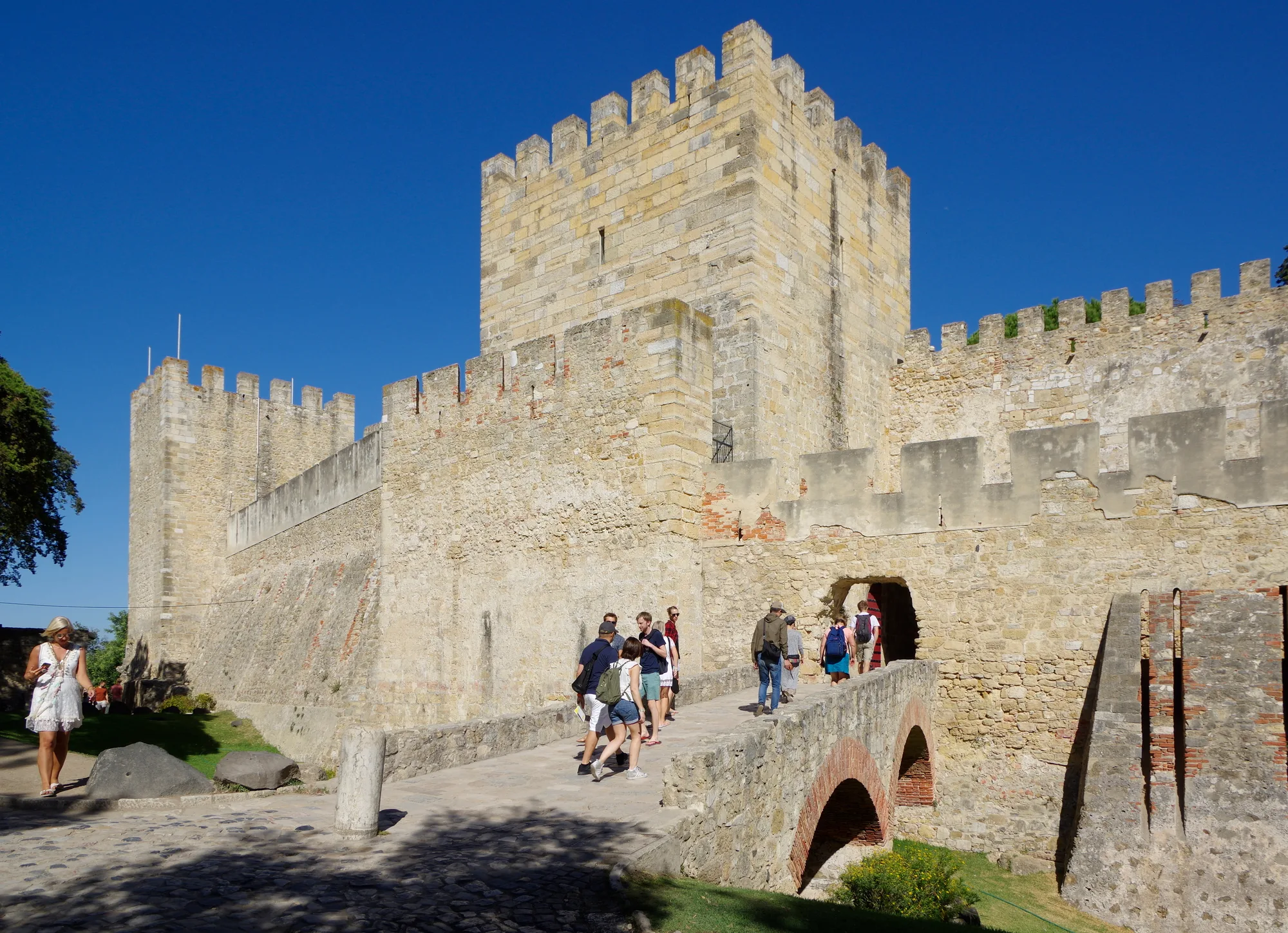
If you want a ‘wow’ day, choose Sintra. Set in forested hills west of the city, it’s a cooler, mistier microclimate and a UNESCO World Heritage landscape of romantic palaces, gardens, and a Moorish castle scattered across steep slopes. It’s the most dramatic day trip — and the most crowded.
Get there by CP train, generally from Rossio station (a short walk from Baixa); the ride is roughly 40 minutes, frequent, and car-free, with a single adult fare of €2.55 (CP) on a reusable navegante card. Once there, the sights are spread out and connected by local buses, tuk-tuks, or rideshares, which bottleneck midday, so start early and pick two or three priorities rather than trying to see everything. Give Sintra the whole day and keep the Lisbon evening that follows light.

Extra day option B: Cascais (coastal ease)
If you want calm and beach air, choose Cascais — a former fishing town turned breezy seaside resort at the end of the coastal railway. It’s the easiest day trip logistically and a perfect ‘recovery day’ from Lisbon’s hills: flat, walkable, and built around the sea.
Trains run from Cais do Sodré along the river and then the coast, roughly 40 minutes and frequent, with a €2.55 single adult fare (CP) on a navegante card. The line itself is part of the appeal, with seaside stops like Carcavelos (a big, popular beach) and Estoril before Cascais town. Step off, walk to the beach or promenade, take a long seafood lunch, and let the day be slow. The wild, windswept Praia do Guincho is a short hop beyond town if you want one dramatic stop.
Extra day option C: modern Lisbon (Parque das Nações)
If you’d rather stay in the city and keep it low-effort, do Parque das Nações — the riverside district redeveloped for Expo ’98 on the city’s eastern waterfront. It’s flat, spacious, and contemporary: wide promenades along the Tagus, modern architecture, gardens, a cable car over the river, and the Oceanário (one of Europe’s largest aquariums) for an easy indoor anchor.
It’s reached quickly by metro to Oriente, and it’s a deliberate contrast to old Lisbon’s stairs and crowds — perfect when your legs are tired, when you’re travelling with kids, or when you simply want an easy, sunny half-day of walking by the water. Pair it with a museum or the aquarium and a long riverside stroll.
 Parque das Nações guideModern riverside walking and an easy half-day plan.Accessible LisbonLower-effort planning and district choices.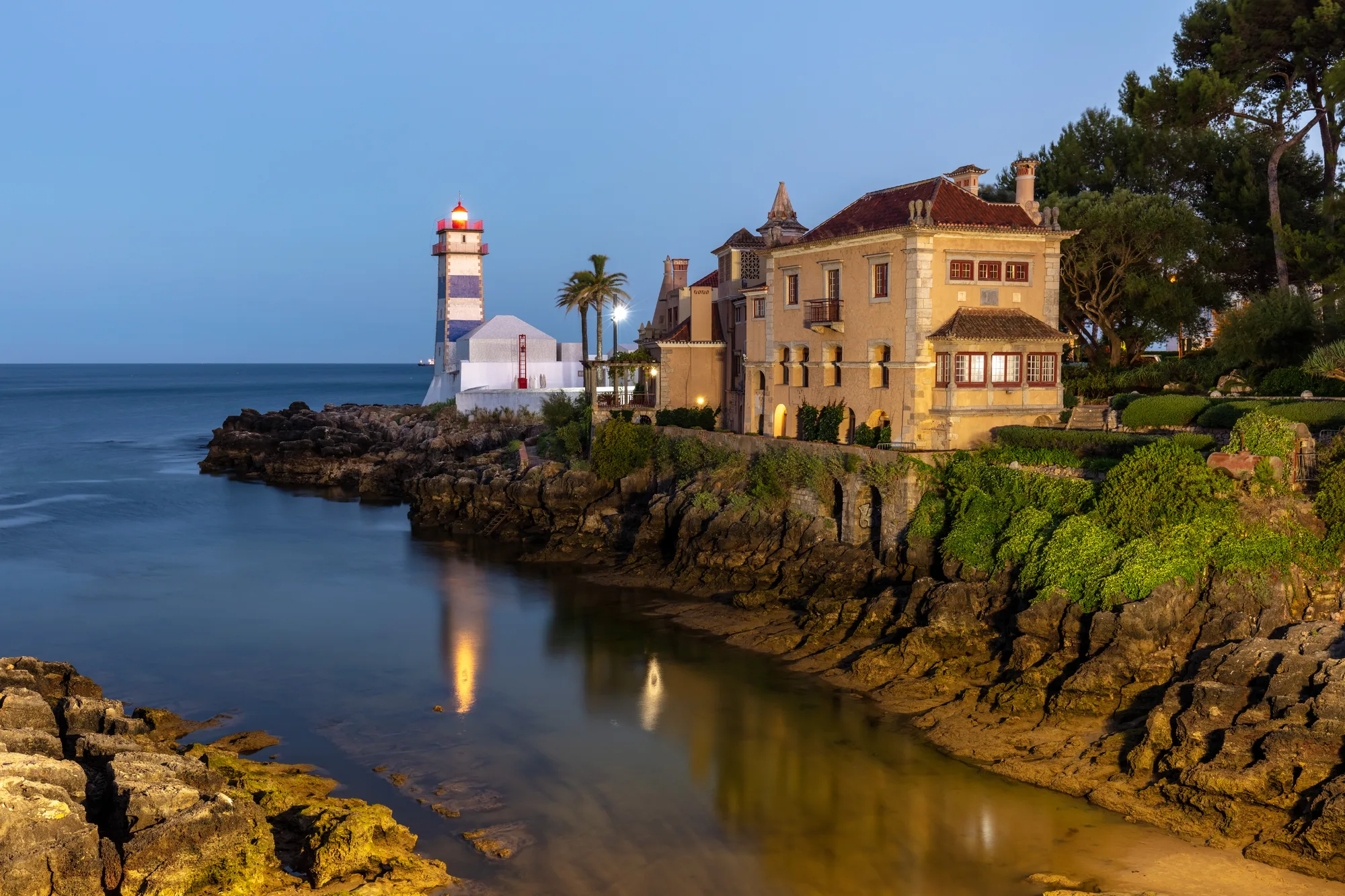
Where to stay for four days
A central base makes a four-day trip easier because you’ll mix city days with a day trip and want quick access to the metro and to Rossio (Sintra trains) or Cais do Sodré (Cascais trains). Baixa and Chiado are the simplest choice: flat-ish, walkable, and well connected.
If you prefer calm over central buzz, Príncipe Real, Estrela, and Lapa are quieter but still close, which suits couples and light sleepers; Avenidas Novas is a roomier, modern alternative that’s good value and well linked by metro. Alfama and Graça are the most atmospheric but steepest — wonderful to wake up in, just plan for the climbs and the occasional taxi home at night.
- Easiest base: Baixa or Chiado, near day-trip stations.
- Quiet but central: Príncipe Real, Estrela, Lapa.
- Atmospheric but steep: Alfama or Graça — budget for taxis uphill at night.

Days 1–3: the classic Lisbon core (in brief)
Before the fourth day, get the foundations right. The three-day core is the backbone of any longer trip: a central orientation day, an old-Lisbon day, and a Belém river day. Done well, it leaves you knowing the city’s shape — and ready to choose a fourth day that genuinely adds something different.
Day 1 is gentle orientation: Baixa’s flat Pombaline grid (rebuilt after the 1755 earthquake), Chiado’s cafés and culture, and an easy sunset by the river or at a central viewpoint. Day 2 is texture: start high in Graça for the big views, drift downhill through Alfama — Lisbon’s oldest district, which largely survived the quake — and keep one slow café block and an optional fado night. Day 3 is open sky: Belém’s UNESCO monuments (Jerónimos Monastery and Belém Tower), a long riverside walk, and the pastry ritual.
Keep one interior block (a museum, a church, a long lunch) in each of these days so heat or rain never derails the flow. Then your fourth day is pure bonus.
- Day 1: Baixa → Chiado → easy riverside or viewpoint sunset.
- Day 2: Graça viewpoints → Alfama lanes → optional fado night.
- Day 3: Belém monuments → riverside walk → pastel de nata.
- One interior block per day keeps weather from ruining the plan.

How to choose your fourth day
The fourth day is a decision, not a default. Match it to how the first three days felt. If you’re energised and want a “wow,” take a day trip. If your legs are tired from the hills, take a flat, low-effort day in the city. If the weather turns, pivot to museums and markets.
A simple decision rule: pick the single experience you’d most regret missing, and protect it. One great fourth day beats a crammed one. Don’t try to fit two day trips, and don’t schedule your most ambitious outing for a day you’re likely to be worn out.
- Energised + clear weather → a day trip (Sintra or Cascais).
- Tired legs → a flat city day (Parque das Nações, riverside, gardens).
- Rain → museums, markets, a long lunch, and a cosy neighbourhood.
- Couples → a slow neighbourhood + viewpoint + fado evening.
More fourth-day ideas (beyond Sintra and Cascais)
Sintra and Cascais are the headline day trips, but they aren’t the only good fourth days. If you’d rather stay close, a half-day across the Tagus is a lovely contrast: a short ferry from central Lisbon (Transtejo/Soflusa) reaches Cacilhas/Almada on the south bank, beneath the giant Cristo Rei statue, with sweeping views back at the city and the 25 de Abril bridge.
For history without crowds, Évora is a quieter, walled Alentejo city with Roman-era sights — a full day, best for travellers who like slow, atmospheric towns. For nature and dramatic coast, the Arrábida area offers turquoise coves and a wilder feel. And if you simply loved a neighbourhood on days 1–3, a fourth day spent revisiting it slowly — a market, a long lunch, a café you remember — is a perfectly good use of the time.
- South bank by ferry: Cacilhas/Almada and Cristo Rei views — a half-day.
- Évora: a quieter historic city for a full, slow day.
- Arrábida: coves and dramatic coastline for a nature day.
- Or just revisit a neighbourhood you loved, slowly.
Day-trip logistics (Sintra and Cascais by train)
Both classic day trips are reachable by CP train, no car needed. Sintra trains generally leave from Rossio station (a short walk from Baixa); Cascais trains run from Cais do Sodré along the river and coast. Journeys are roughly 40 minutes to each, with frequent service, and the single adult fare is €2.55 (CP) on a reusable navegante card.
Sintra rewards an early start: it gets crowded, the palaces are spread across forested hills, and local buses or a rideshare connect the sights, which can bottleneck midday. Choose two or three priorities rather than chasing everything. Cascais is the opposite mood — step off the train, walk to the beach or promenade, have a long seafood lunch, and let the day be slow. Carcavelos and Estoril are earlier stops on the same line if you want big sand without a full town day.
Whichever you pick, give it the whole day. Treating Sintra or Cascais as a half-day is how you end up rushed and resentful.
- Sintra: trains from Rossio; start early, pick 2–3 sights, expect crowds.
- Cascais: trains from Cais do Sodré; flat, easy, beach-and-promenade pace.
- CP timetables and fares can both change, so they’re worth confirming before you travel.
- Give a day trip the whole day; don’t squeeze it into an afternoon.
Where to add food, markets, and slow time
Four days is enough to eat Lisbon properly rather than touristically. Spread the classics: a near-daily espresso-and-pastel-de-nata ritual, one serious seafood or bacalhau meal, one petiscos lunch, a market food-hall graze, and one slow booked dinner. Lisbon eats late, so go early if you want a quiet, easy table.
Use markets as flexible activities, not just meals — they’re ideal on a hot afternoon or a tired day, and great for groups who can’t agree. On a four-day trip you can also fold in a themed afternoon: tiles (note the national tile museum is closed for renovation, reopening expected in 2026 — check official; azulejos are everywhere meanwhile), wine bars, or a ginjinha (sour-cherry liqueur) tasting in the old centre.
Cheap-but-good is easy here: a tasca (a small, traditional eatery) does honest grilled fish and daily plates for far less than the tourist-strip restaurants, and the standing-room counter at a pastelaria is the local way to start the day. The general rule across four days is consistency over hype — a few streets off the main squares, a place that’s busy with locals, and you’ll eat well almost everywhere.
- Daily ritual: espresso + warm pastel de nata.
- Across four days: one seafood meal, one petiscos lunch, one market graze, one booked dinner.
- Use a market as a flexible, weather-proof activity for tired or hot days.


Pacing four days without burning out
The single biggest risk on a four-day trip is doing four heavy days in a row. Lisbon’s hills, sun, and cobblestones are tiring in a way the map doesn’t show. Build in at least one deliberately light day — usually around your day trip, which is its own kind of full.
A reliable rhythm: one anchor experience per day, one slow block (museum, market, or long lunch), and one golden-hour finish. Keep evenings calm; you don’t need a big night every night. If a day feels tight, the fix is almost always the same — fewer stops, less uphill walking, more sitting still in a beautiful place.
Lisbon also rewards a sense of timing within each day. Go early to popular sights and viewpoints, where mornings are far calmer than afternoons; take your slow block in the midday heat; and save golden hour for a viewpoint or the riverfront, where the light is the city’s most reliable highlight. Plan one fado night for your most intentional evening — Lisbon’s UNESCO-listed song, born in Alfama and Mouraria — and let the other nights be a slow dinner or a quiet drink. Four days done this way feels generous rather than gruelling.
- Make at least one of the four days genuinely light.
- One anchor + one slow block + one golden hour per day.
- If the plan feels tight: cut a stop, not your rest.
4 days in Lisbon FAQ
Common questions for a four-day visit.
- Is four days enough for Lisbon and a day trip? Yes — this is the sweet spot: the classic core plus one full day trip, with room to breathe.
- Sintra or Cascais for the day trip? Sintra for palaces and drama (start early, expect crowds); Cascais for easy coastal calm and a slower day.
- Can I do both Sintra and Cascais? Not comfortably in four days alongside the core. Pick one and save the other for next time, or go to five days.
- Do I need a car? No. The core is walkable plus metro, and both day trips run by CP train.
- What if it rains on my fourth day? Swap in museums, markets, a long lunch, and a cosy neighbourhood; save the day trip or river day for clearer weather.
- Is four days too long for just Lisbon? Not at all — if a day trip doesn’t appeal, spend the fourth day on slow neighbourhoods, the modern riverside, or a deeper dive into food and tiles. The city has more than four days’ worth of depth.
- When should I do the day trip? Early if you’re energetic and the weather’s good; mid-trip as a deliberate break. Just keep the evening after it light, and don’t schedule it for a day you’re likely to be tired.


