
Quick take
- A true first-timers plan: center → old hills → Belém, with breathing room.
- Day 1: Baixa + Chiado loop, then a low-effort sunset by the river.
- Day 2: Start high in Graça, drift down through Alfama, and keep the evening slow.
- Day 3: Belém early, then riverfront walking + a museum or architecture stop.
- One “interior block” each day (museum/monument) keeps heat and rain from ruining the flow.
- If something feels too busy: do fewer stops and add more cafés — that’s still Lisbon done right.
Lisbon itinerary: 3 days for first-timers (at a glance)
Three days is enough time for Lisbon’s classic shape without turning the trip into a sprint. The key is to group your days by geography and to use gravity: start high when you want views, then wander downhill as the city warms up.
Use this plan as a strong default, then swap pieces based on weather and energy. The goal is a coherent trip — not maximum coverage.
- Day 1 (easy orientation): Baixa → Chiado → sunset at a central miradouro or the riverfront.
- Day 2 (old hills): Graça viewpoints → Alfama lanes → optional fado night.
- Day 3 (river icons): Belém monuments → riverside walk → MAAT area or a museum reset.

Where to stay for this 3-day itinerary
For a first trip, the best base is the one that makes mornings easy and nights effortless. In Lisbon, that usually means: central enough to walk to dinner, connected enough to escape hills when you’re tired, and quiet enough to sleep well.
If you love atmosphere and don’t mind stairs, hill neighborhoods can be magical. If you want ease, stay flatter and commute into the hills during the day.
- Easiest first-timer base: Baixa or Chiado (central, walkable, straightforward).
- Quiet-but-still-central: Príncipe Real / Estrela / Lapa (great for couples and light sleepers).
- Iconic-but-steep: Alfama / Graça (beautiful, but plan taxis/ride shares for some returns).
Day 1: Baixa + Chiado + an easy sunset
Day 1 should be gentle. The goal is orientation, not exhaustion: learn Lisbon’s center, find a café rhythm, and finish with golden hour in a spot that doesn’t require a heroic climb.
Think in loops: a central loop is calming because you’re never far from your base (or a simple metro hop).
- Morning: Baixa plazas + a slow coffee stop (start the trip in ‘Lisbon pace’).
- Midday: Chiado browsing + one cultural stop if you want an interior block.
- Afternoon: drift toward the riverfront or a nearby viewpoint — no cross-city commuting.
- Evening: sunset, then dinner close by (your best move on a first night).
Day 2: Start high (Graça) → drift down through Alfama
Day 2 is the old-Lisbon texture day: viewpoints, staircases, tiled façades, and lanes that turn into accidental photo spots. The easiest way to enjoy it is to start high, get your big views early, and then let gravity do the work.
If you want Tram 28, treat it as one short, scenic segment — then walk the neighborhoods at your own pace.
- Morning: one Graça hill viewpoint (arrive earlier for calmer space).
- Late morning: wander down into Alfama at your own pace (choose lanes, not checklists).
- Midday: a long lunch or café block (Alfama is better when you’re not rushing).
- Evening: optional fado — choose one good night rather than chasing multiple spots.


Day 3: Belém — monuments, river light, and a calmer pace
Belém is Lisbon’s ‘open-sky’ day: the riverfront, monumental architecture, and wide walking. It’s flatter than the historic hills, which makes it the perfect third day when legs are a little tired.
The best Belém strategy is simple: do one main monument early, then switch to a riverside walk and one optional museum/architecture stop.
- Morning: choose your main monument priority and do it early.
- Midday: long riverside walk (or bike) for the classic Tagus light.
- Afternoon: one museum or modern-architecture stop if you want a slower interior block.
- Pastry ritual: make room for it — Belém is the classic place to do it.
 Belém guideA route that flows monument → river → modern without zigzagging.Jerónimos MonasteryA practical guide to visiting without queue burnout.
 Pastel de nataWhere to do the pastry moment — and what to expect.
 MAATA modern riverfront stop that pairs naturally with Belém walking.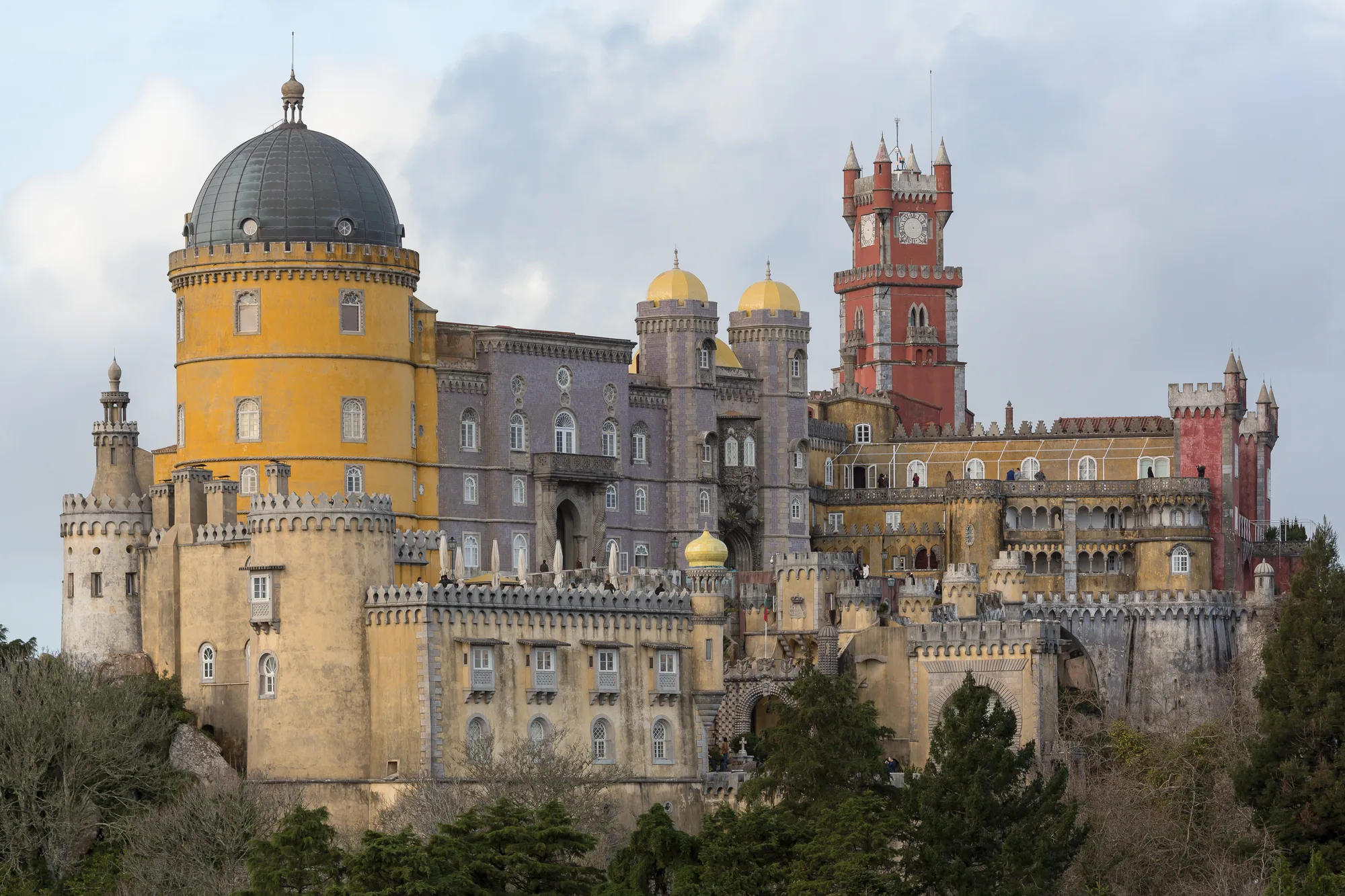
Where to add museums, markets, and slow time (so the trip stays enjoyable)
Lisbon is steep, bright, and sensory. The best itineraries include one ‘slow block’ each day: a museum, a market, or a long café stop. It keeps the city from becoming one long uphill workout — and it gives you shade on hot days and comfort on rainy ones.
A good rule: if you’re doing a hill-heavy morning, schedule an interior block after lunch. If you’re doing a flatter day (Belém), take your slow block later.
- Best day-1 slow blocks: cafés and one central museum stop.
- Best day-2 slow blocks: long lunch + a calm church/museum stop in the hills.
- Best day-3 slow blocks: MAAT area or a museum after a long river walk.


Reservations and tickets (what to book, what to keep flexible)
For a 3-day trip, the goal is fewer commitments, not more. Book the one thing that would genuinely disappoint you if it sold out — then keep the rest flexible.
Timed-entry tickets can turn a line-heavy day into a calm day. But booking every hour can also remove the best part of Lisbon: wandering.
- Book if: you have one must-see monument/museum and you’re visiting in peak season.
- Keep flexible if: your joy comes from neighborhoods, viewpoints, and cafés.
- For evenings: one planned dinner or one planned fado night is plenty.
Common first-timer mistakes (and the better move)
Most first-timer Lisbon stress is self-inflicted: too many neighborhoods per day, too many ‘musts’, and not respecting how hills change the pace.
If the plan feels tight, the fix is almost always the same: do fewer stops, walk less uphill, and add more slow time.
- Mistake: trying to add a full day trip. Better: do the classic Lisbon trio and save Sintra for a longer visit.
- Mistake: crossing the city hungry. Better: sunset + dinner in the same zone.
- Mistake: stacking too many interiors. Better: one major interior block per day, then neighborhood time.
- Mistake: assuming ‘close on the map’ means easy. Better: plan around hills and transit.
Getting around for three days (and a transit-card tip)
Three days is enough that a sensible transport habit pays off. You’ll walk most of the historic core, but you’ll lean on the metro to cross the city, the funiculars and the Santa Justa lift to skip the worst climbs, and the Cascais-line trains or ferries if you stretch beyond the centre.
Buy a single rechargeable Viva Viagem / Navegante card per traveller and top it up — it works across metro, buses, trams and funiculars, and saves the friction of single paper tickets. Fares change periodically, so check the current price and top up modestly rather than overloading. If your trip is heavy on paid museums and monuments, weigh a sightseeing pass against pay-as-you-go; for a viewpoint-and-neighbourhood trip, the transit card alone is usually plenty.
Plan one funicular or tram ride for the experience and treat the rest as practical. Tram 28 is scenic but crowded and pickpocket-prone; ride it early or late, keep valuables zipped, and don’t depend on it as transport.
- One rechargeable transit card per person covers metro, trams, buses and funiculars.
- Use the Bica/Glória funiculars and the Santa Justa lift to climb; walk the descents.
- Tram 28: one early/late scenic ride, pockets watched — not a commute.
 Getting around LisbonCombine walking, metro, trams and funiculars without burning out.Viva Viagem cardThe rechargeable card that covers most of Lisbon’s transport.Lisboa CardWhen a transport-plus-museums pass is worth it (and when it isn’t).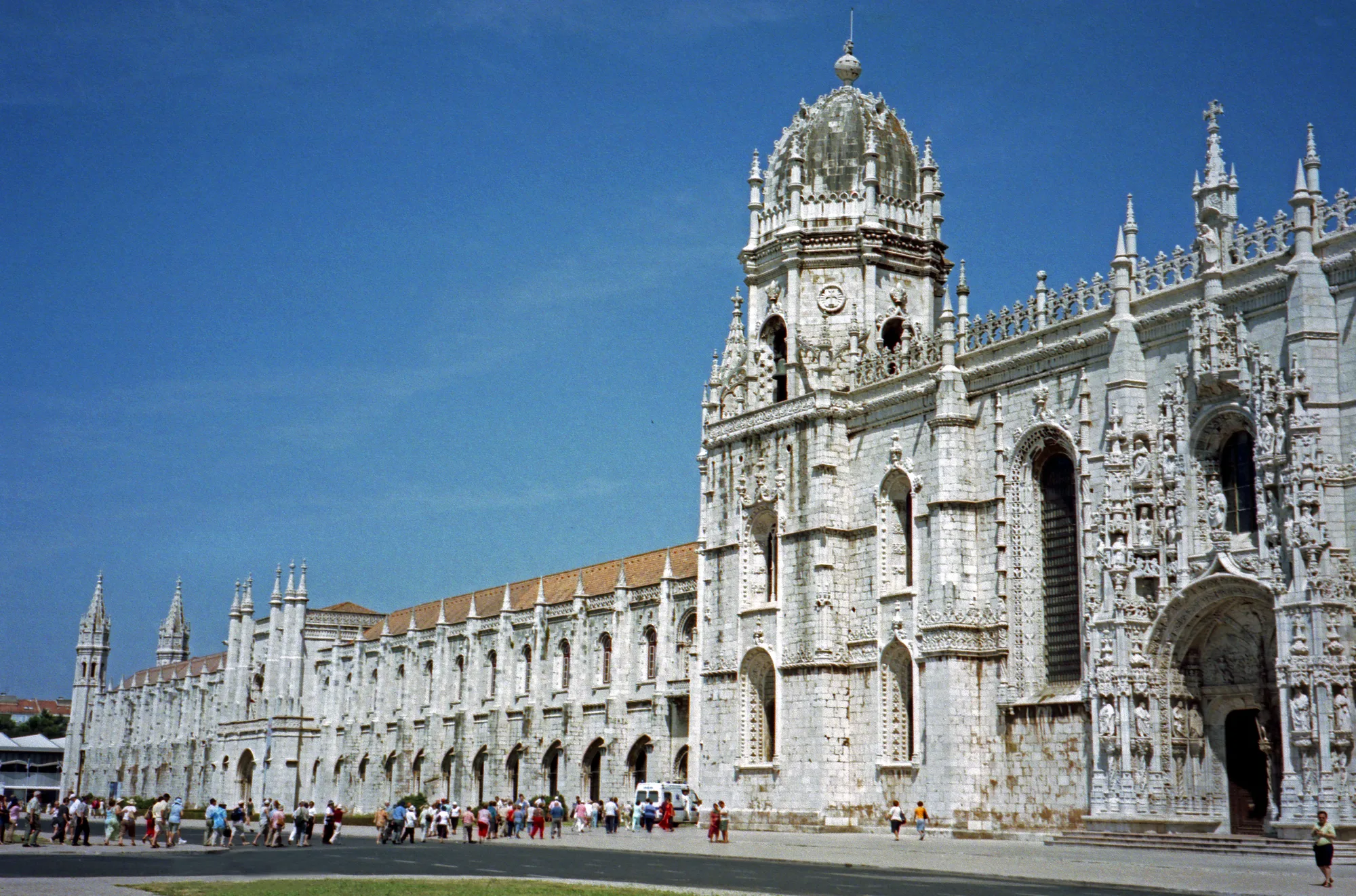
Food across three days (a simple eating plan)
Three days lets you taste Lisbon properly without forcing it. Spread the classics across your meals: a pastry-and-espresso morning ritual most days, one good seafood or bacalhau meal, one petiscos lunch, one market food-hall grazing session, and one slow sit-down dinner you actually book.
Lisbon eats late — kitchens get lively from around 20:00 — so if you want an early table or a quiet room, go early. For the pastel de nata, Belém is the famous pilgrimage on your river day, but excellent versions exist all over the city, ideally eaten warm with cinnamon. Petiscos (Portuguese small plates) are the easiest way to try many things in one sitting and suit the slow, social rhythm of the trip.
Avoid the most touristy stretches at peak hours; a few streets back from the main squares usually means better food, fairer prices, and calmer tables. Keep most meals spontaneous and reserve only the one dinner that would disappoint you to miss.
- Daily: espresso + pastel de nata; over three days add seafood, petiscos, and a market meal.
- Book one dinner; keep the rest casual and a little off the main squares.
- Belém is the classic pastry stop on your river day — but warm natas are everywhere.
Swaps and alternatives (make the plan yours)
The classic center → old hills → Belém shape is a strong default, but it isn’t the only good trip. Swap pieces to match your interests, the weather, and your energy. The structure (one anchor + one slow block + one golden hour per day) matters more than the specific stops.
If you love tiles and design, trade a Belém museum for a tile-focused afternoon (note the national tile museum is closed for renovation, with reopening expected in 2026 — check the official site, and meanwhile look for azulejos on façades, in churches, and across the city). If you’re travelling as a couple, lean into viewpoints, gardens, and a fado night. With more energy, you could shift Belém to a half-day and add the modern, flat riverside of Parque das Nações.
- Tiles & design lovers: swap a museum for a façade-and-azulejo wander (national tile museum reopening expected 2026 — verify).
- Couples: prioritize viewpoints, gardens, and one fado night over extra monuments.
- More energy: trim Belém to a half-day and add flat, modern Parque das Nações.
- Bad weather: pull a museum or market block forward and save the river day for sun.
3 days in Lisbon FAQ
Common questions for a three-day first visit.
- Is three days enough for Lisbon? Yes for the classic shape — central core, old Lisbon, and Belém — with breathing room. It’s not enough to also fit a full day trip comfortably.
- Can I add Sintra in three days? You can, but it replaces a Lisbon day rather than adding to one; Sintra is a full day. Many travellers prefer four-plus days before adding it.
- What order should I do the days in? Do the flat, open Belém day on your clearest weather; save museums and markets for a hot or rainy day; do the hills when your legs are fresh.
- Do I need to book monuments ahead? In peak season, timed entry for one marquee site (e.g. Jerónimos) saves queueing. Otherwise keep things flexible.
- Where should I stay? Baixa/Chiado for easiest central walking; Príncipe Real, Estrela or Lapa for quiet that’s still close; Alfama/Graça for atmosphere if you don’t mind stairs.
Understanding Lisbon’s layout (so the days make sense)
Lisbon sits on a cluster of hills above the river Tagus, and almost everything in this itinerary follows that geography. The flat, grid-like Baixa is the hinge: it was rebuilt in orderly “Pombaline” blocks after the great 1755 earthquake, which is why the centre feels so different from the tangled lanes that survived around it. From Baixa, the city rises east into Alfama and Graça and west into Chiado and Bairro Alto, with Belém strung out along the river to the west.
Knowing this shape is what keeps three days coherent. Day 1 stays low and central. Day 2 climbs east into the old hills. Day 3 heads west to the riverfront monuments. You almost never need to cross the whole city — and when you do, the metro is fast and flat beneath the hills you’d otherwise have to climb.
The river is your constant reference point: it’s always “downhill,” it catches the best evening light, and ferries cross it to the south bank (Cacilhas/Almada, beneath the Cristo Rei statue) if you want a different vantage on a longer trip.
- Baixa = flat central hinge (rebuilt after 1755); old hills rise east, Chiado/Bairro Alto west.
- Belém is strung along the river to the west — its own half-day.
- The river is your compass: always downhill, best light, ferries to the south bank.
Evenings: fado, dinner, and slow Lisbon nights
Lisbon’s evenings are part of the itinerary, not an afterthought. Over three days, plan one or two intentional nights and let the rest stay easy. The single most ‘Lisbon’ evening is fado — the city’s soulful, melancholic song, recognised as UNESCO intangible cultural heritage and born in the old bars of Alfama and Mouraria. Choose one intimate venue, go once, and treat it as the highlight rather than something to repeat.
The other nights can simply be a slow dinner near your sunset spot, a glass of wine in a tiny bar, or a stroll along the riverfront after the crowds thin. Locals eat late, so an early table means a calmer room; a later one means more atmosphere. Bairro Alto is the late-night neighbourhood if you want a livelier scene, while Cais do Sodré and Santos are good for a relaxed drink by the river.
- Plan one fado night in an intimate venue — the classic Lisbon evening.
- Keep other nights easy: a slow dinner, a wine bar, a riverfront walk.
- Eat early for calm, late for atmosphere — locals dine late.


