
Quick take
- Best first-time base: Baixa or Chiado (central, walkable, easiest orientation).
- Best quiet-but-central bases (great for couples): Príncipe Real, Estrela, Lapa, and calmer Chiado edges.
- Best for nightlife: Bairro Alto and Cais do Sodré (fun, but loud — choose streets carefully).
- Best modern comfort: Parque das Nações (spacious, flat-ish, very easy pacing).
- Lisbon rule: a 12-minute walk can be a workout if it’s uphill — pick your base by topography.
- The most romantic nights are the easiest nights: dinner + a short walk home beats late transit.
Where to stay in Lisbon (the first-time visitors framework)
Lisbon’s neighborhoods are close — but the hills make them feel farther. Choosing where to stay is less about distance and more about vibe, noise tolerance, and whether you want to climb at the end of the night.
For a first trip, optimize for ease. It’s easy to visit the hill neighborhoods during the day; it’s harder to return uphill every night when you’re tired.
- First-timers: prioritize central + walkable + metro access.
- Couples: prioritize calm streets + gardens + one good golden-hour spot nearby.
- Nightlife lovers: prioritize being close to the scene (and bring earplugs).
- Light sleepers: prioritize street choice and building insulation over “best neighborhood” lists.

Quick neighborhood matcher (pick your base in 30 seconds)
If you want a simple decision, start here. Then refine based on hills and noise: the right street inside a good neighborhood beats the wrong street inside the ‘best’ neighborhood.
- First time + short trip: Baixa or Chiado.
- Quiet-but-central (couples): Príncipe Real, Estrela, Lapa, or a calm edge of Chiado/Santos.
- Nightlife focus: Bairro Alto or Cais do Sodré (but choose quiet side streets).
- Modern + easy walking: Parque das Nações.
- Local-feeling everyday Lisbon: Campo de Ourique, Alvalade, Avenidas Novas.
Best for first-timers: Baixa vs Chiado (which is better?)
Baixa is Lisbon’s central grid: practical, flat, and easy to navigate. Chiado sits just uphill and adds cafés, culture, and a slightly more polished feel. Together they’re the most straightforward base for a short first trip.
If you want the easiest arrival and the flattest walking, choose Baixa. If you want more cafés, culture, and a slightly calmer ‘stay’ feel (with a little more slope), choose Chiado.
Either way, this base makes it simple to do Baixa/Chiado/Bairro Alto on foot and to connect to other areas by metro or short rides.
- Baixa pros: flattest central base, easiest orientation, simplest logistics.
- Baixa cons: can feel busier and more ‘central city’ than ‘neighborhood’ at night.
- Chiado pros: cafés, culture, polished streets, great evening wandering.
- Chiado cons: a bit more slope; some streets get lively later.
 Baixa & Chiado guideWhat it feels like day to day — and the best walking loop.Things to doBuild your trip around clusters that start well from central Lisbon.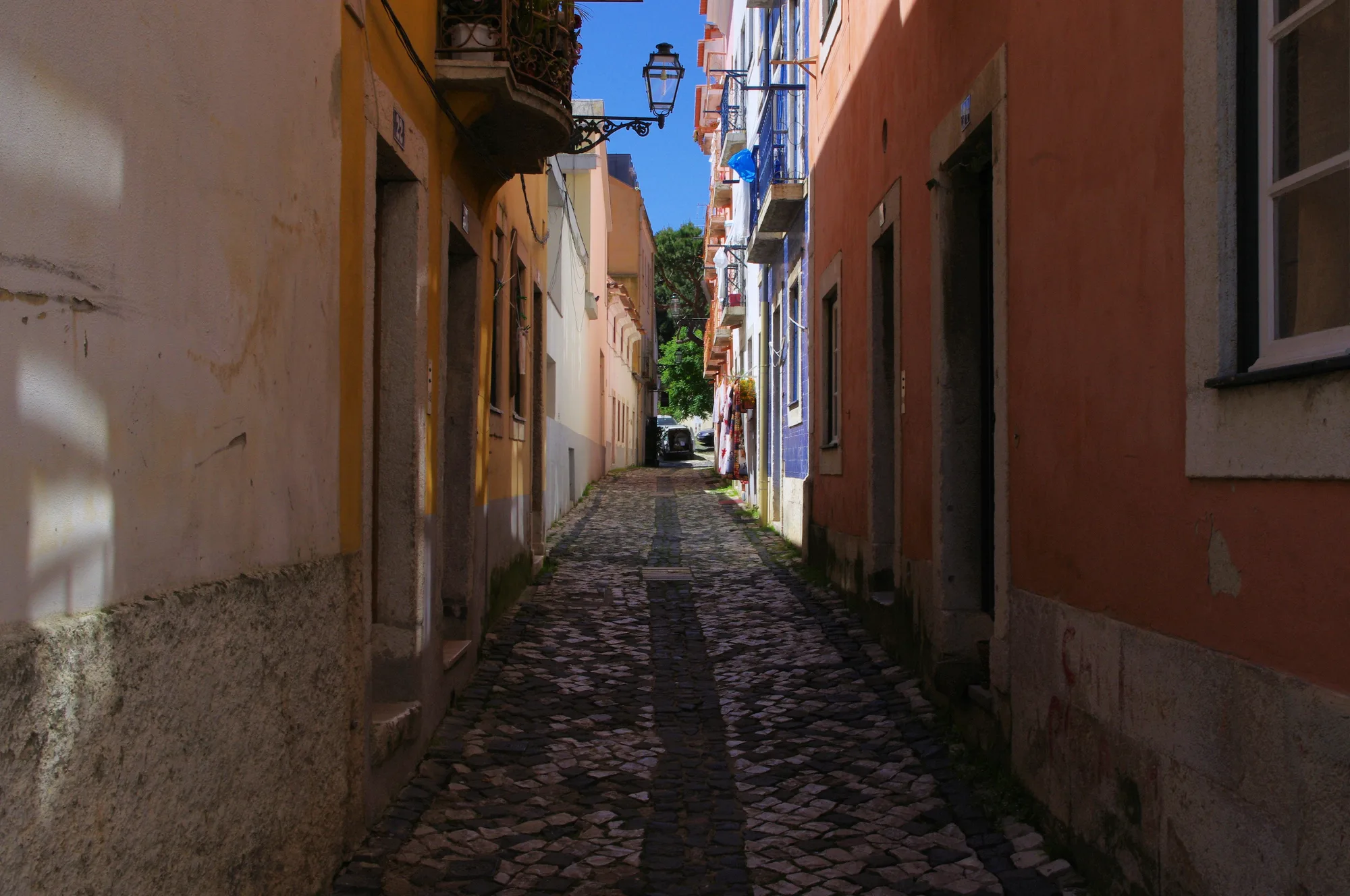
Quiet but central (best for couples and light sleepers)
If the trip is about evenings — sunset, dinner, slow walks — prioritize a base that supports sleep. Lisbon can be loud in the obvious nightlife corridors, so couples often enjoy staying just outside the busiest streets.
Príncipe Real, Estrela, and Lapa are classic ‘quiet-but-still-close’ picks: garden energy, elegant streets, and easy access to central areas without living inside the crowd.
- Best for: couples, relaxed mornings, and ‘home base’ comfort.
- What to look for: calm side streets, good insulation, and an easy return route after dinner.
- Reality check: hills still exist — plan one paid ride when it makes the night better.
Local-feeling bases that still work for visitors
If you want Lisbon to feel a little more everyday — less ‘tour core’, more neighborhood — choose a residential base with good transit. These areas can be especially good for longer trips, remote-work stays, and travelers who like morning markets and relaxed dining streets.
The tradeoff is simple: you’ll commute a bit more, but you’ll often sleep better and pay less for more space.
- Campo de Ourique: food streets and a relaxed, local rhythm.
- Alvalade: residential and easy to navigate (great if you like calm).
- Avenidas Novas: practical, well connected, and usually quieter at night.
Best for nightlife: Bairro Alto and Cais do Sodré
If you want to be near bars and late-night energy, Bairro Alto and Cais do Sodré are the obvious bases. They’re lively and convenient — and they can also be noisy. Choose them if nightlife is a feature, not an accident.
If you want romance and sleep, stay nearby rather than inside the loudest streets. You can always walk in for the evening and leave when you want.
- Pros: nightlife at your doorstep, great for late evenings.
- Cons: noise; crowded weekend nights; more pickpocket risk in dense areas.
- Booking tip: choose a quieter edge street and prioritize soundproofing.
 Bairro Alto guideHow it works by day vs night, and how to enjoy it.
 Cais do Sodré guideMarket, Pink Street, and the waterfront hub vibe.
 Safety in LisbonCrowd-smart tips for night streets and busy transit.
Best for modern comfort: Parque das Nações
Parque das Nações is Lisbon’s modern waterfront district — wide promenades, newer buildings, and a calmer, spacious feel. It’s a great choice if you want easy walking, straightforward logistics, and less hill stress.
It’s less ‘historic postcard’ outside your door — but it’s a strong base if you prefer comfort and quiet, and don’t mind commuting a bit to the old neighborhoods.
- Pros: modern, spacious, low-effort walking, great for families.
- Cons: less central; you’ll rely on metro to reach historic cores.
Areas to think twice about for a first trip (and how to do them anyway)
Some neighborhoods are iconic — and still not the easiest base for a first visit. The fix is not ‘avoid them’; the fix is understanding the tradeoff and planning around it.
If you choose a hill base, plan for at least one taxi/ride share return and treat it as part of the cost of comfort.
- Alfama/Graça: beautiful and steep (plan gravity routes and paid returns).
- Bairro Alto: fun and loud (choose quiet edges or bring earplugs).
- Belém: great for monuments, but less central for a short trip.


Booking tips: hills, noise, and street choice
In Lisbon, the micro-location matters. Two streets can feel like two different neighborhoods: one quiet and romantic, one loud and nightlife-adjacent.
When choosing a stay, prioritize the street as much as the district. That’s the difference between a great trip and a trip where you’re tired before you start walking.
- Noise: avoid the busiest bar corridors if sleep matters to you.
- Hills: a ‘short walk’ home can be steep — check the route profile, not just the distance.
- Transit: being near a metro stop can turn a hill-heavy day into an easy day.


