
Quick take
- If you want the easiest beach day: Cascais is the low-stress classic.
- If you want long sandy stretches: look toward the south-bank coast (Caparica area).
- If you want surf energy: Ericeira is a strong choice for ocean-air reset vibes.
- If you want beach + seafood town energy: Sesimbra (or Setúbal) is a great move.
- Start early for calmer sand and easier transport.
- Pack layers — coastal wind can be cooler than the city.
- Treat beach days as recovery days from Lisbon’s hills.
How to choose a Lisbon beach day
The best beach near Lisbon depends on what you want: calm and easy, long sandy stretches, or surf energy. Choose the mood first, then pick the coast that matches it.
Beach days work best as ‘reset days’ between hill-heavy Lisbon days.
- Easiest and classic: Cascais area.
- Long sandy vibe: south-bank coastline (Caparica area).
- Surf mood: pick a surf-friendly coast day and keep the plan simple.
Cascais line beaches: Carcavelos, Estoril, and the easy coast
If you want ‘beach near Lisbon’ with the least friction, the Cascais train line is the classic. You can go all the way to Cascais for a town + promenade day, or stop earlier for big sand and a simpler swim.
It’s an easy ‘train to the beach’ day because the line follows the river and then the coast, with seaside stops before the final Cascais station.
- Fastest, simplest beach access by rail: Cascais line (Cais do Sodré → coast).
- Carcavelos: a popular ‘big beach’ stop without needing a full Cascais town day.
- Estoril: another easy seaside stop on the same line.
Best beaches near Lisbon by train (simple step-by-step)
If the keyword is ‘by train’, the Cascais line is the easiest answer. It’s direct, frequent, and the beach stops are walkable once you get off the platform.
The best beach-by-train day is also the simplest: one beach, one long lunch, one slow promenade walk, then back before you’re exhausted.
- Step 1: start at Cais do Sodré for the coastal train.
- Step 2: pick your stop based on vibe: Carcavelos (big sand) or Cascais (town + promenade).
- Step 3: pack light (sunscreen, water, layer) and walk from the station to the beach.
- Step 4: return with energy left — beach days are recovery days, not marathons.
 Cascais day tripA full plan that works perfectly by train.
 Packing listLayers and essentials that matter on windy coastal afternoons.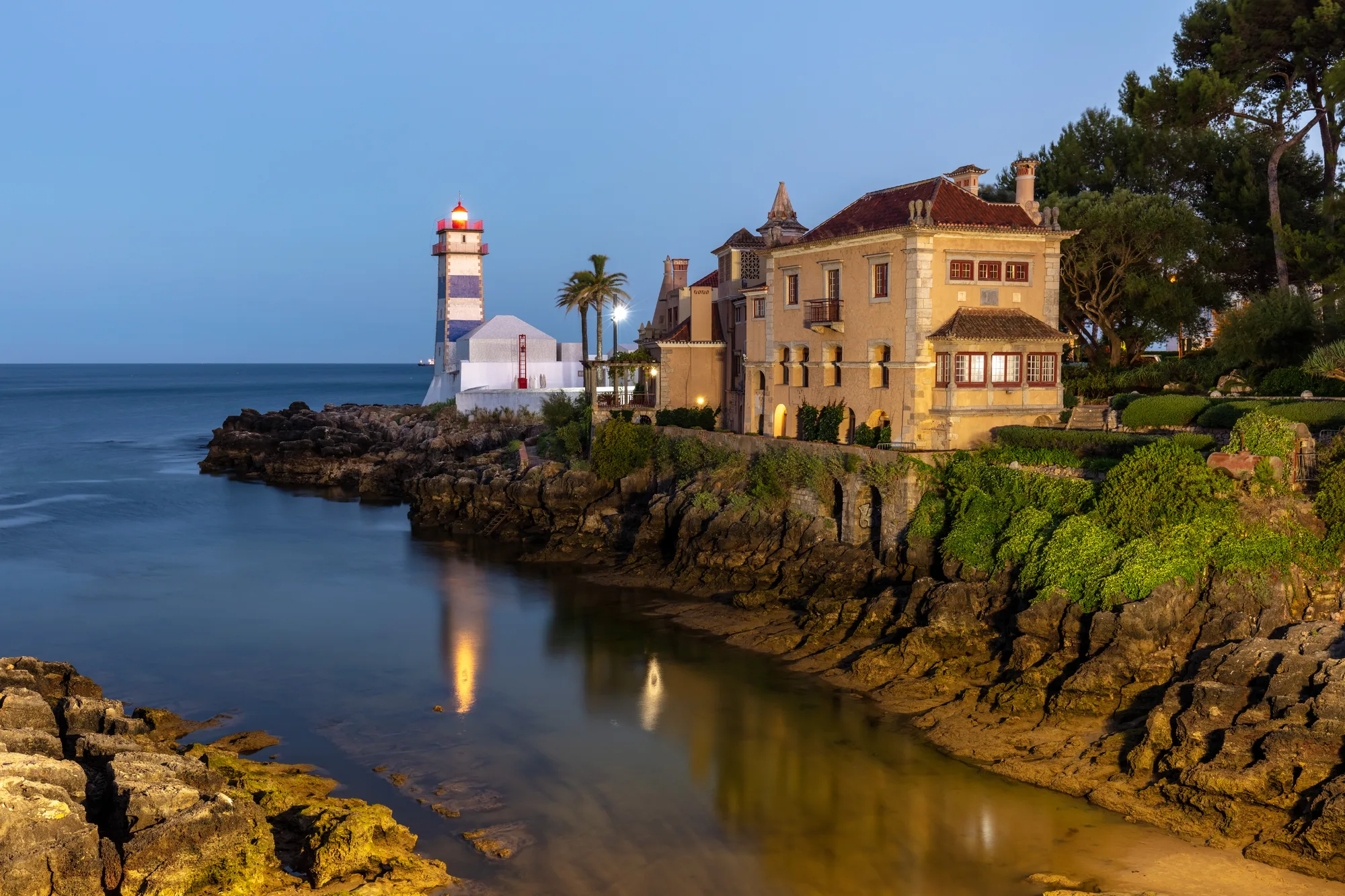
Praia do Guincho: wind, dunes, and surf energy
Guincho is the beach you choose when you want ‘Atlantic energy’ — wide sand, dunes, and wind that can make the day feel dramatic (and cooler) even when Lisbon is hot.
It’s a great add-on to a Cascais day if you want one more ‘wow’ stop beyond town beaches — just don’t stack too many extras.
- Bring a layer — Guincho can be windy and cooler than the city.
- Best for: surf/kite energy, long beach walks, dramatic coastline mood.
Costa da Caparica: long sandy beaches south of the river
If you want long sandy stretches and a classic ‘beach strip’ vibe, Costa da Caparica is the headline south-bank option. It’s the kind of beach day where you can walk for a long time and still feel like you’re in the same beach zone.
South-bank beach days are a great counterbalance to Lisbon’s hills: flatter walking, big horizons, and a very different rhythm from the historic core.
- Best for: long sand, beach-club style days, and ‘proper beach’ feeling.
- Plan: go early, pack light, and treat it as a full reset day.
Cascais: the easiest beach day from Lisbon
If you want a stress-free beach day, Cascais is the default recommendation: simple logistics, walkable town vibe, and ocean air without complex planning.
It’s also a great option for couples and families: calm pacing and easy promenades.
Cascais guideA beach + promenade day plan you can follow easily.Lisbon with kidsBeach days are one of the easiest family reset moves.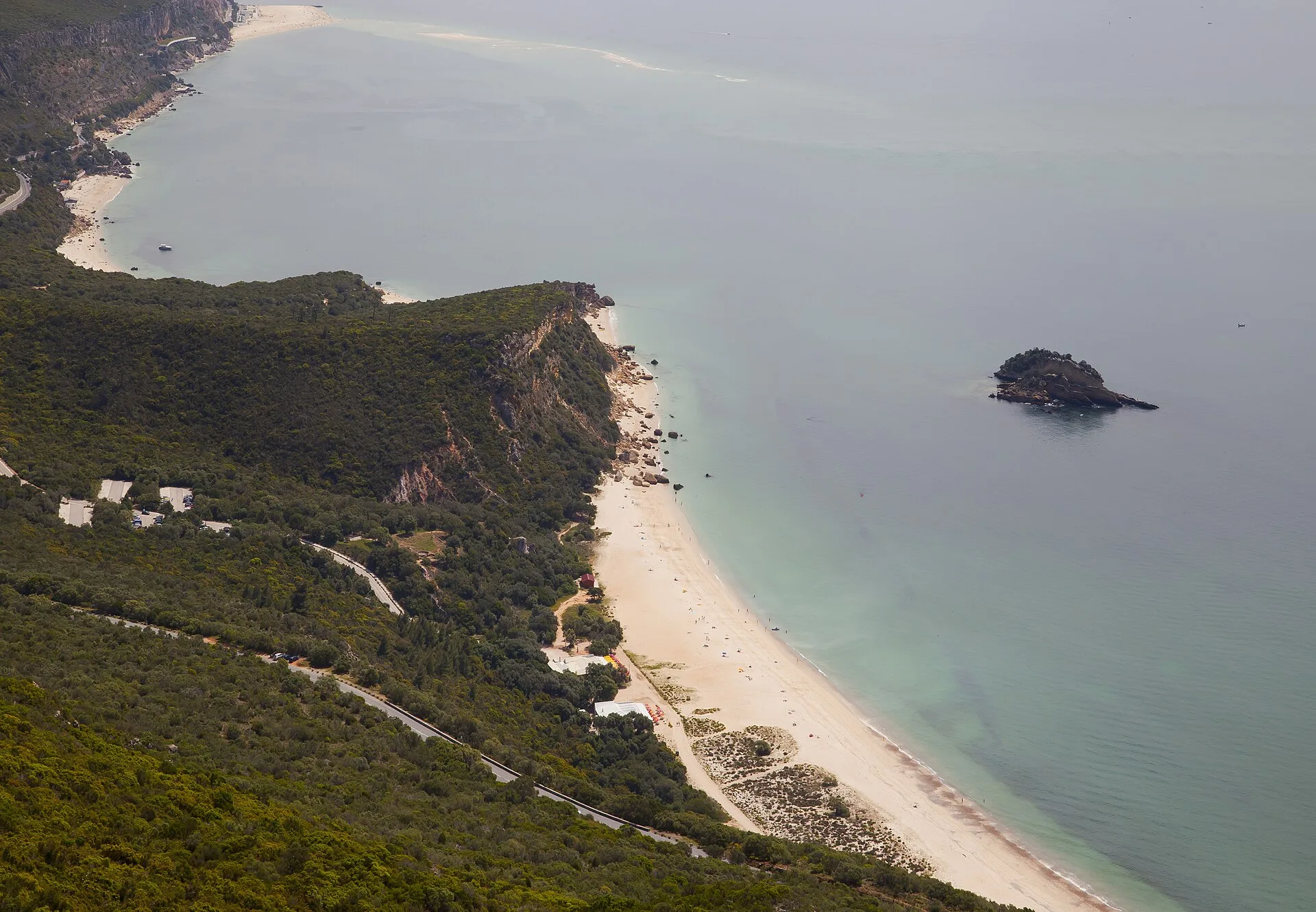
Beach-day packing and timing tips
Beach days are simple when you pack light and time it well. Start earlier than you think, plan a long lunch, and return before you’re exhausted — especially if you want a nice Lisbon evening afterward.
- Bring: sunscreen, water, a light layer, and comfortable shoes.
- If you’re returning late: keep dinner simple and close to your base.
City-river vs Atlantic vs south bank: choosing your coast
‘Beaches near Lisbon’ really means three distinct coasts, each with its own character. The Cascais line (north of the river mouth) gives you the easiest, most sheltered town-and-promenade beaches like Carcavelos and Estoril — calmer water, simple logistics, and a resort feel. Just beyond Cascais, the Atlantic-facing coast (Guincho and the Sintra-Cascais natural park) is wilder, windier, and dramatic — superb for surfers and long beach walks, less so for a gentle paddle.
The south bank, across the Tagus, is where you find the long, open sand of Costa da Caparica — kilometres of beach with a relaxed, summery strip, reached by crossing the river. Further south on the Setúbal peninsula lie the calm, turquoise coves of the Arrábida park and the seafood town of Sesimbra. As a rule: choose the Cascais line for ease, the Atlantic coast for drama and surf, and the south bank for long sand or clear-water coves.
Match the coast to your mood and the weather, then keep the plan simple — one beach, one long lunch, one slow walk, and home before you’re exhausted.
- Cascais line: easiest, sheltered, resort-style (Carcavelos, Estoril).
- Atlantic coast: wild, windy, dramatic — surf and long walks (Guincho).
- South bank: long open sand (Costa da Caparica) or clear coves (Arrábida).
Beaches near Lisbon FAQ
Quick answers for planning a beach day. Schedules and fares change, so confirm current details before you travel.
- Can you reach a beach by train? Yes — the Cascais line from Cais do Sodré reaches Carcavelos, Estoril, and Cascais, the easiest train-to-beach option.
- Which is the best beach for first-timers? Carcavelos for big, easy sand, or Cascais for a town-and-beach day — both simple by train.
- Where do locals go for long sand? Costa da Caparica on the south bank, with kilometres of open beach.
- Is the water warm? The Atlantic is bracing year-round; the sheltered Arrábida coves feel calmer and clearer than the open ocean.
- When is beach season? Roughly late spring through early autumn for swimming and sunbathing; the coast is windy and cooler outside that, but still good for walks.
- How long does a beach day take? Give it most of a day; go early, plan a long lunch, and return with energy to spare.


