Quick take
- Évora is a different Portugal: quieter pace, historic streets, and deep atmosphere.
- Treat it as a full day trip — it’s not a quick half-day add-on.
- Plan fewer sights and more wandering; the city is the point.
- A long lunch makes the day feel complete.
- Return to Lisbon with an easy evening plan (viewpoint + dinner).
- Best for travelers who love history and calmer cities.
Why Évora is worth it
If you want a break from Lisbon’s density and hills, Évora offers a slower, historic city atmosphere with a very different rhythm. It’s a great ‘change of texture’ day trip.
The best Évora day is simple: arrive, wander, choose a few highlights, and let lunch take time.
A simple Évora day plan
Start early, choose a small set of highlights, then spend the middle of the day on a long lunch and slow wandering. Évora is at its best when it’s unhurried.
- Morning: arrive and do your first major historic highlight.
- Midday: long lunch and shade break.
- Afternoon: second highlight + wandering streets, then return.

How to keep the day trip comfortable
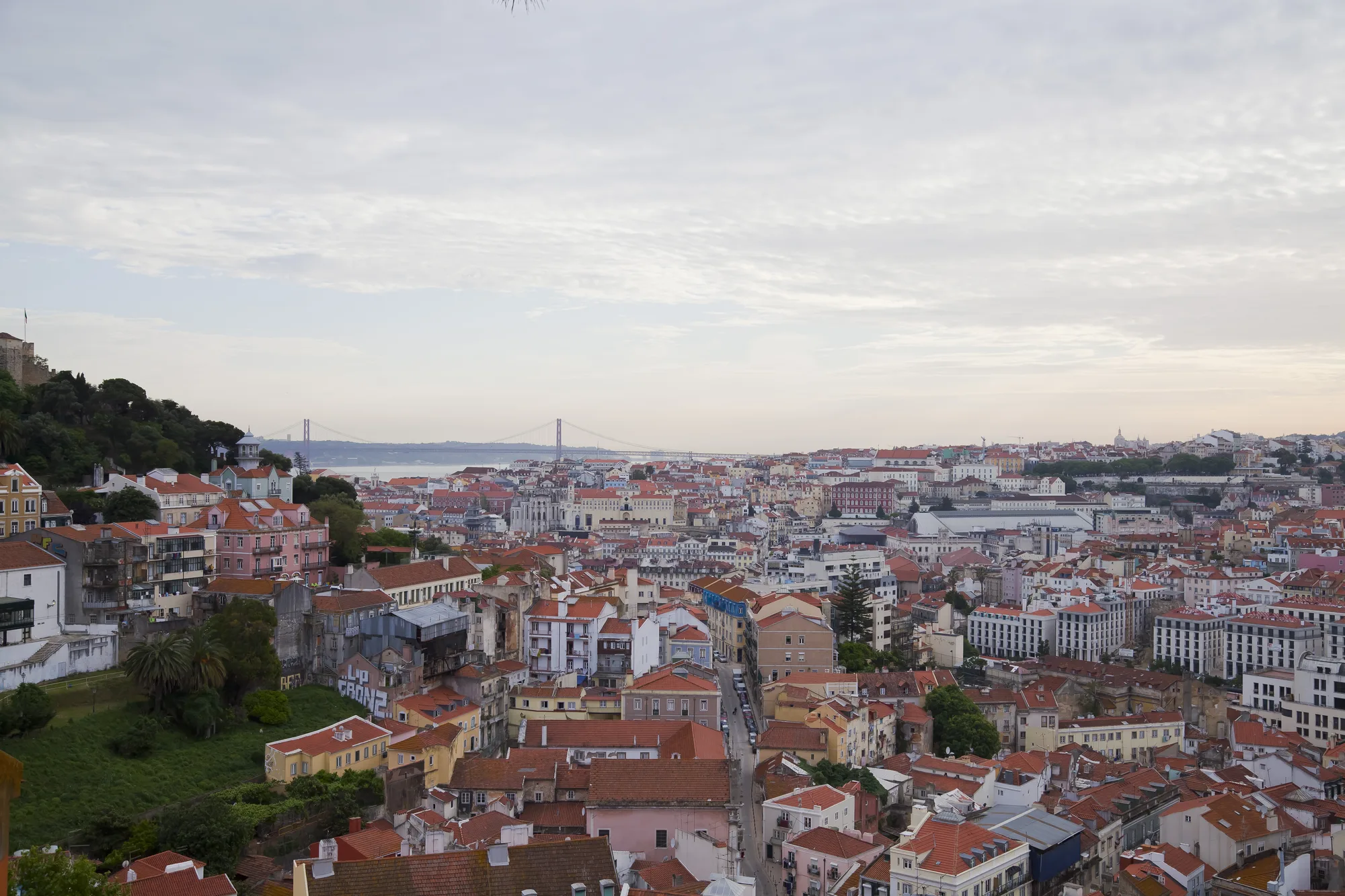
Évora day trips can be long. Keep your Lisbon day before and after lighter so the trip feels like a treat, not a marathon. And don’t schedule a huge nightlife night right after you return.

What Évora is, and why it’s special
Évora is the historic capital of the Alentejo, the vast, rolling plain east of Lisbon known for cork oaks, wine, and a slower way of life. Its walled old town is a UNESCO World Heritage Site, layered with more than two millennia of history — Roman, medieval, and Renaissance — packed into a compact, walkable centre of whitewashed houses, narrow lanes, and grand squares.
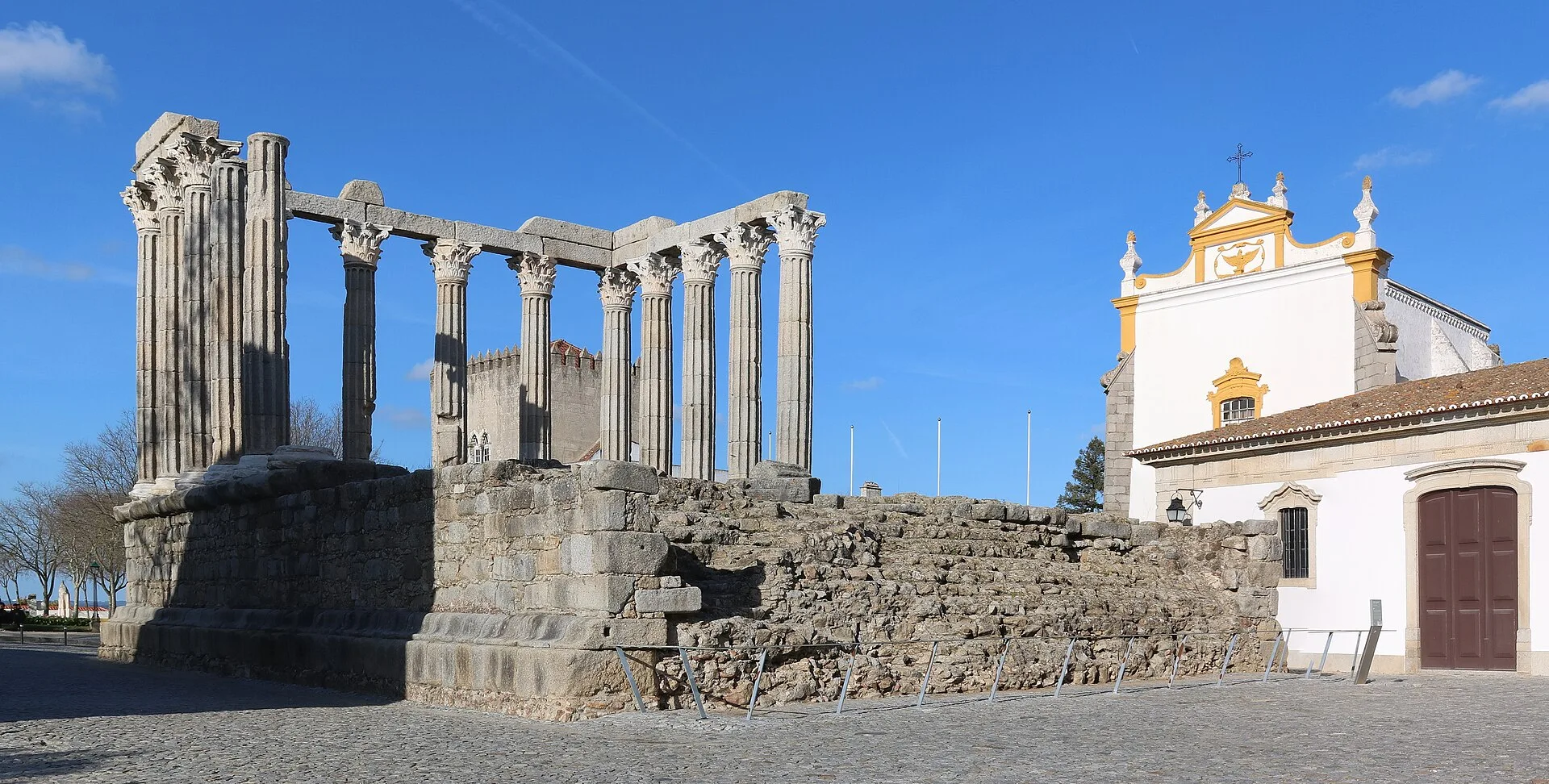
The headline sights are remarkable for a town its size. A strikingly intact Roman temple (often called the Temple of Diana) stands near the old centre; the Sé (cathedral) is a fortress-like medieval landmark; and the macabre, fascinating Capela dos Ossos (Chapel of Bones), lined with human bones, is one of Portugal’s most memorable sights. Around them, the Praça do Giraldo anchors a centre full of cafés and history.
What makes Évora a great day trip isn’t any single monument, though — it’s the atmosphere: a quiet, golden-stone town where you can walk everywhere, eat well, and feel a completely different Portugal from coastal, hilly Lisbon.
- A UNESCO-listed walled town and historic capital of the Alentejo.
- Highlights: the Roman temple, the cathedral, and the Chapel of Bones.
- The real draw is the calm, golden-stone atmosphere and the food.
Getting to Évora from Lisbon
Évora sits well inland, roughly an hour and a half to two hours from Lisbon depending on the service. Both CP trains and intercity buses connect the two; trains generally run from Lisbon’s Oriente station, and long-distance buses from the city’s main coach terminal. Because the journey is longer than the coastal or palace day trips, it’s firmly a full-day outing — plan around the timetable rather than improvising.
Train and bus services change, so it’s worth a look at current schedules, journey times, and fares on the official operators before you go. Whichever you choose, aim for an earlyish departure and a relaxed return so you have a proper stretch of time in the town without rushing the last train or bus.
Once you arrive, the old town is compact and best explored on foot — you won’t need transport within Évora itself.
- Roughly 1.5–2 hours each way by CP train (often from Oriente) or intercity bus.
- A full-day trip — build the day around the timetable.
- Schedules and fares are worth confirming on official sources before travelling.
 Day trips without a carÉvora is one of the better car-free long day trips.Lisbon in 5 daysA trip length that comfortably absorbs a longer day trip.
Food, wine, and who Évora suits
The Alentejo is one of Portugal’s great food-and-wine regions, and Évora is an excellent place to taste it. Hearty regional cooking — bread-based açorda and migas, pork and clams (porco à alentejana), lamb, and rich game dishes — pairs with the bold reds the region is famous for. A long, unhurried lunch is genuinely part of the experience here, not an afterthought.
Évora suits travellers who love history, architecture, and slow towns, and who are happy to trade beach or palace drama for atmosphere and a meal that lingers. It’s especially rewarding on a four- or five-day Lisbon trip when you want a change of texture. It’s less of a fit for a short first visit, where the closer Sintra and Cascais give more for less travel time, or for travellers who need a packed, sight-heavy itinerary — Évora is about depth and calm, not volume.
- Alentejo food and bold reds — a long lunch is part of the day.
- Best for: history and architecture lovers, and slow travellers.
- Less ideal for: short first visits or fast, sight-stacking itineraries.

A simple Évora day, start to finish
The ideal Évora day is gently paced and walking-led. Arrive mid-to-late morning, orient yourself around the Praça do Giraldo, and start with the cluster of headline sights — the Roman temple, the cathedral, and the Chapel of Bones are all within an easy stroll of one another in the compact walled centre. Don’t over-schedule; three or four highlights plus unstructured wandering is plenty for a single day.
Take a long Alentejo lunch in the middle of the day — this is a region where the meal is part of the experience, not an interruption to it. Afterwards, wander the quieter back lanes, browse local crafts (the area is known for cork products and ceramics), and let the golden-stone town reveal itself slowly. Time your return so you’re not racing the last train or bus, and keep the Lisbon evening that follows light.
Because it’s a longer journey than the coastal day trips, the single best piece of advice is to anchor the whole day around the timetable: book or note your outbound and return times first, then build the visit to fit comfortably between them. Give yourself a buffer for the return so a leisurely lunch never turns into a sprint for the station.
- Arrive mid-morning; start with the temple, cathedral, and Chapel of Bones (all close together).
- Long Alentejo lunch, then slow wandering and local crafts (cork, ceramics).
- Anchor the day around your return time; keep the Lisbon evening easy.
- A full-day trip — best on a four- or five-day visit when you can spare a whole day.
- Compact and walkable once there; you won’t need transport inside the old town.

