
Quick take
- Perfect on Day 1: get context, then explore the city with smarter eyes.
- Great for a rainy hour when you still want to stay central.
- Located right beside Praça do Comércio — easy to add without detours.
- Works well before Alfama: learn a bit, then go wander the oldest lanes.
- Pairs beautifully with the Rua Augusta Arch viewpoint for a short downtown ‘core’ plan.
- If you’re traveling with kids or mixed energy levels, it’s an easy win.
Why it’s a smart first-day museum
Lisbon is more fun when you understand what you’re looking at — why the city feels both grand and intimate, why downtown is a grid, and why certain neighborhoods sit where they do. The Lisbon Story Centre is a compact, central way to get that context without committing to a full museum day.
Think of it as a ‘primer’: you do it once, and the rest of your trip feels more meaningful — especially around Praça do Comércio and the historic cores nearby.
- Best for: first-time visitors who like a bit of story with their wandering.
- Also great for: rainy hours and low-energy afternoons.
 Praça do ComércioThe easiest place to pair with the Story Centre (same area).
 First time in LisbonA calm planning guide that keeps your trip coherent.
Sources
- Lisbon Story Centre (official site) ↗
Official visitor information and ticket details.
- Lisbon Story Centre: Tickets & schedule ↗
Current opening info (verify close to travel dates).
How long to plan (and who will love it)
Plan it as a short, contained visit — the kind that gives you momentum rather than taking over your day. If you’re someone who loves walking and atmosphere, you’ll appreciate that it helps you enjoy what you see outside more.
If you’re traveling with different interests, this is a great compromise stop: it’s interesting, central, and you’re back outside quickly.
- Best mindset: short museum → long walk (not the other way around).
- Ideal pairing: Story Centre → downtown loop → coffee → sunset.
Walking routesEasy central loops to do right after you finish. Rainy day LisbonMore ideas that keep the day enjoyable when the weather turns.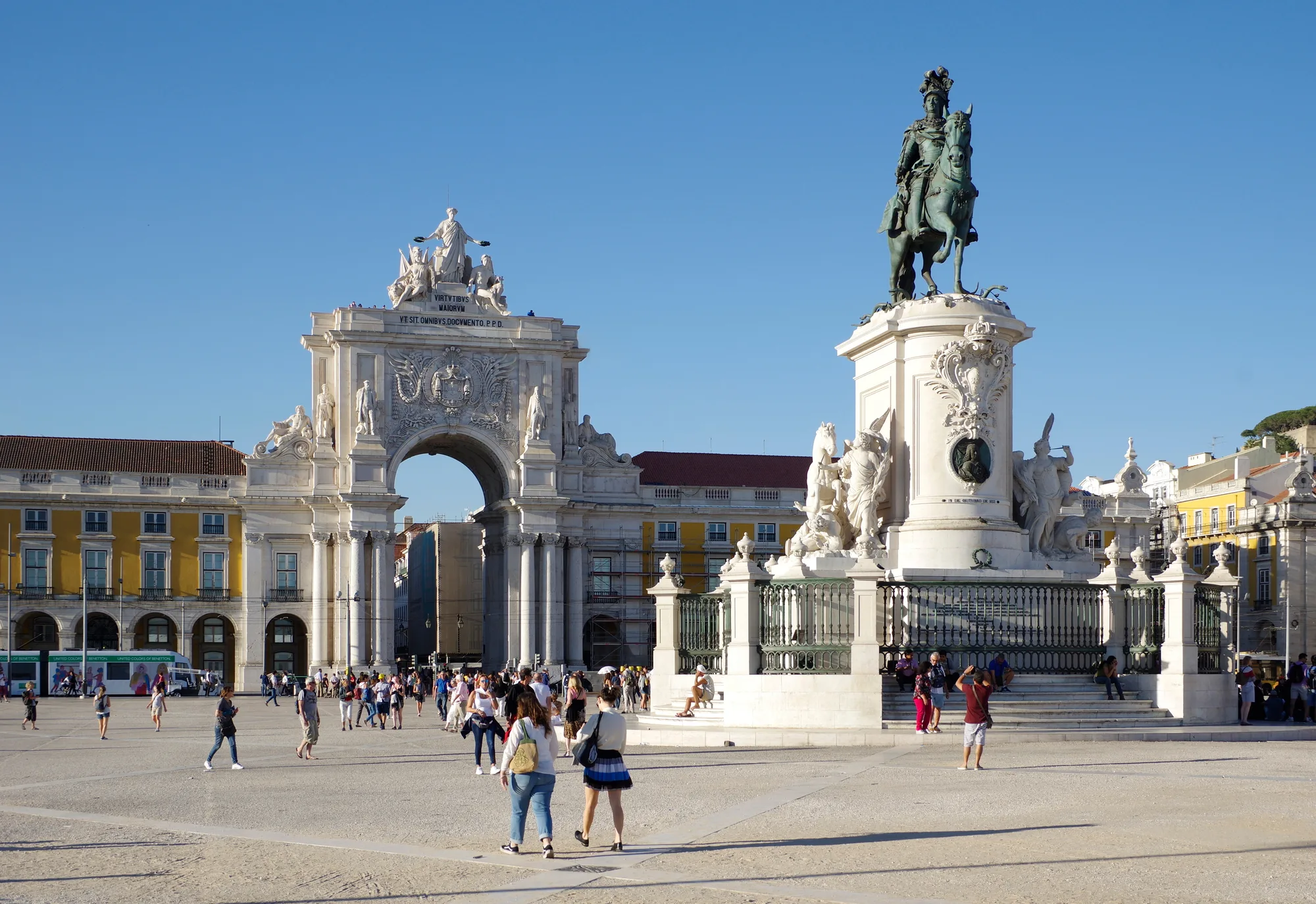
A simple plan: Story Centre + a downtown afternoon
The easiest way to use the Story Centre is to place it at the start of a downtown afternoon. Do the museum, walk the square, climb the arch for a view, then drift into Baixa’s grid and Chiado cafés.
If you’re heading into old Lisbon afterward, keep your downtown portion gentle. Save your climbing energy for Alfama and viewpoints later.
- Story Centre → Praça do Comércio → Rua Augusta Arch (optional).
- Baixa stroll → Chiado cafés → sunset plan → dinner.

What you’ll actually see inside
The Lisbon Story Centre is an interactive, walk-through exhibition rather than a traditional gallery of objects. It tells the story of the city chronologically — from its mythical and Roman origins, through the Age of Discoveries when Lisbon was one of Europe’s great maritime capitals, to the defining trauma of the 1755 earthquake and the bold Pombaline rebuilding that created the downtown you walk today. The presentation leans on multimedia, recreated scenes and an audio guide, which makes it accessible even if you’re not a museum person.
The earthquake sequence tends to be the part visitors remember: a vivid, immersive retelling of the morning of 1 November 1755, when the quake, a tsunami sweeping up the Tagus, and days of fire devastated the city. It’s an effective way to grasp why so much of central Lisbon looks deliberately planned and rebuilt, and why Alfama — which largely survived — feels so different from the grid below.
Because it’s self-paced with an audio guide, you move at your own speed and can linger or skim as you like. It’s engaging without demanding deep prior knowledge, which is exactly what makes it work as an orientation stop early in a trip.
- An interactive, multimedia walk-through — not a gallery of artefacts.
- Covers Roman roots, the Discoveries era, 1755, and the rebuild.
- The immersive 1755 earthquake sequence is the standout.
- Self-paced with an audio guide — easy even for non-museum-goers.
Who it’s for (and who might skip it)
This is a great fit for first-time visitors who want a quick, painless grounding before they explore, and for families — the interactive format and audio guide keep mixed ages engaged better than a room of display cases. It’s also a sensible rainy-hour option right in the centre, and a low-effort stop when energy is flagging, since it’s short and you’re back outside quickly.
If you’re a serious history buff, be aware that it’s an accessible overview rather than a deep, scholarly museum — you may prefer the city’s larger collections for depth. And if your time in Lisbon is very tight, it’s an optional extra rather than an essential: the city’s headline sights are the monuments and neighbourhoods themselves. But as a 45-minutes-to-an-hour primer that makes everything else more meaningful, it earns its place for many travellers.
- Best for: first-timers, families, and rainy or low-energy hours.
- An accessible overview — history buffs may want a deeper museum.
- Optional on a very tight schedule; valuable as an early-trip primer.
Lisbon with kidsWhy the interactive format suits families.Museums in LisbonDeeper collections if you want more than an overview.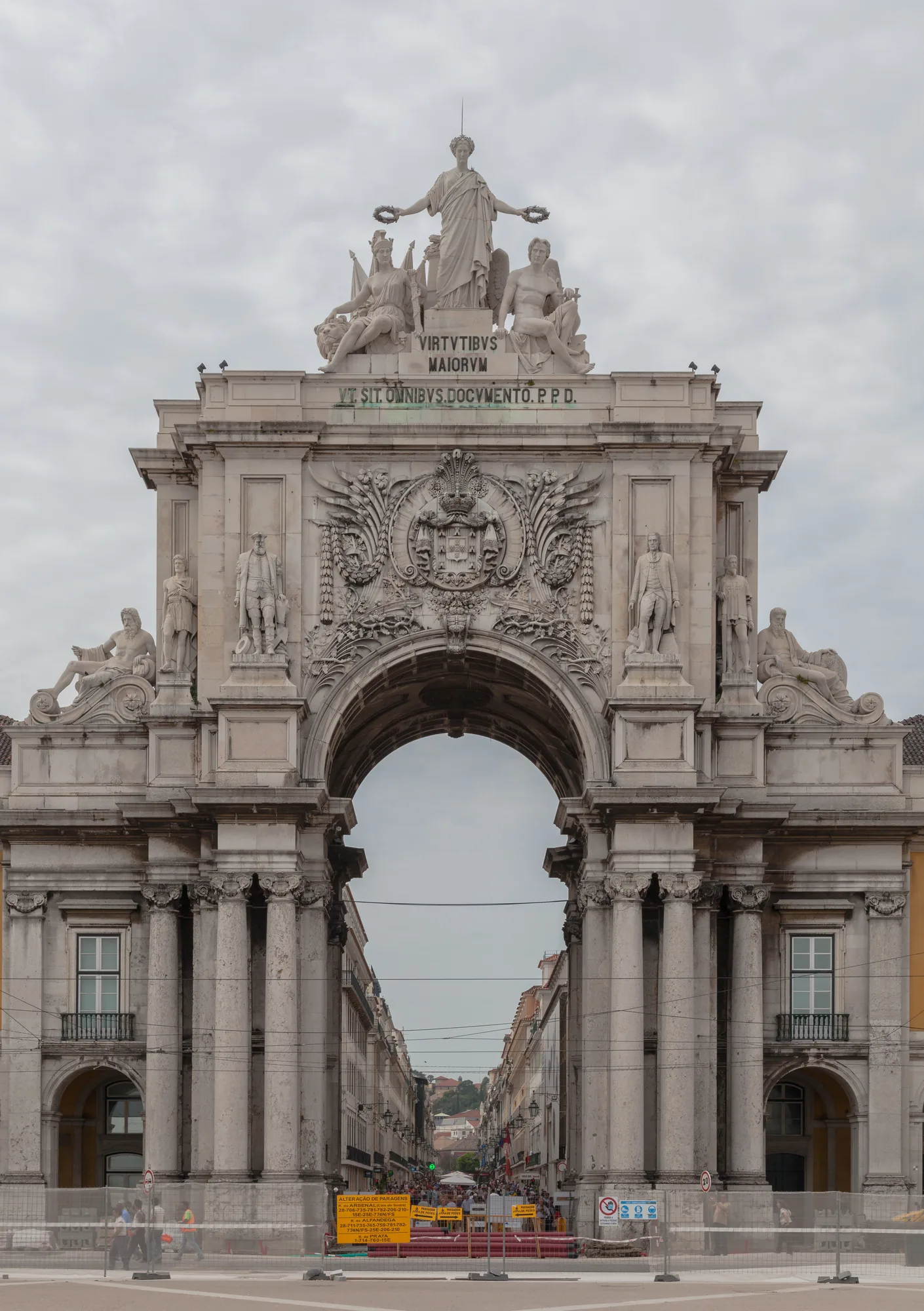
Practical notes and where it sits
The Story Centre sits right on Praça do Comércio, under the arcades of the great riverfront square, which makes it almost impossible to combine badly with anything. The nearest metro access is around Terreiro do Paço / Baixa-Chiado, and you’re a flat, easy walk from Rua Augusta, the Lisbon Cathedral (Sé), and the riverfront. There’s an entry fee and an audio guide; opening hours and ticket prices can change, so check the official site before a special trip and consider whether any city pass you hold covers it.
Plan it as the opening move of a downtown afternoon: do the exhibition, step out onto the square, climb the Rua Augusta Arch for a view, then wander up into Baixa and Chiado. If you’re heading into Alfama afterward, keep the downtown portion gentle and save your climbing energy for the old lanes and viewpoints later in the day.
- Location: on Praça do Comércio, under the arcades — central and flat.
- Nearest metro: Terreiro do Paço / Baixa-Chiado; easy walk to the Sé.
- Entry fee + audio guide; verify hours/prices (and any pass coverage).
- Pair it: Story Centre → arch → Baixa/Chiado, then Alfama later.
Quick answers (time, tickets, kids)
How long does it take? Most visitors spend roughly 45 minutes to an hour, since it’s self-paced with an audio guide — you can move faster or linger as you like. Is it good for children? Yes, the interactive, multimedia format holds young attention far better than a room of glass cases, which is why families often rate it highly. Does it suit a quick visit or a deep dive? It’s firmly an accessible overview; treat it as a primer, not a scholarly museum.
When should you go? It’s a strong opener for day one — get the city’s backstory, then explore with sharper eyes — and a reliable choice for a rainy or low-energy hour, since it’s short, central and entirely indoors. Tickets and opening times can change, so check the official site before a special trip, and look into whether any city pass you’re carrying includes it. Either way, keep your downtown plan gentle afterward if Alfama’s hills are on the agenda.
- Time: about 45 minutes to an hour, self-paced with an audio guide.
- Family-friendly thanks to the interactive, multimedia format.
- An accessible overview — a primer, not a deep museum.
- Great as a day-one opener or a rainy/low-energy hour; verify hours and passes.


