
Quick take
- Lisboa Card is a sightseeing pass that combines public transport with museum/attraction entry (inclusions can change).
- Sold in 24h / 48h / 72h durations — adult rates for 2026/27 are €31 / €51 / €62.
- It’s most valuable when you cluster multiple paid sights into a single day (Belém is a classic).
- 48 hours is worth it only if you’ll do two structured sightseeing days — not two slow wandering days.
- It can also simplify logistics: fewer ticket decisions and easier transit use.
- If you prefer slow travel with long cafés and fewer paid interiors, it may not pay off.
- Worth confirming: opening days, included attractions, and transport rules for your dates.
- A good strategy is one ‘card day’ + other days that are mostly walking neighborhoods.
What the Lisboa Card is (in plain language)
Lisboa Card is designed for visitors who want a simple bundle: city transport plus entry/discounts across a long list of museums and attractions. Think of it as a planning tool as much as a discount tool.
The key is that Lisboa Card works best when your days are structured. If your trip style is very spontaneous, the value can disappear — not because the card is bad, but because you’re not using it intentionally.
- Best fit: organized sightseeing days with multiple paid interiors.
- Less useful: slow wandering days with few ticketed attractions.

What it typically includes (and what to double-check)
Lisboa Card is a combined bundle: public transport plus free admission and discounts across many attractions. The details can change, so treat this as a planning overview — then confirm the current list for your dates before you buy.
In practice, the transport piece is the core benefit: metro plus Carris services (buses, trams, lifts), and included train lines that can simplify classic day-trip logistics.
- Transport: Lisbon Metro + Carris buses, trams, and lifts (verify current coverage).
- Trains: included routes can cover classic day trips like Sintra and Cascais (verify stations/limits).
- Attractions: a long list of included museums/monuments (verify what’s included and what’s closed on your dates).
- Discounts: additional discounts on select services and shops (varies).

Lisboa Card 48 hours: is it worth it?
A 48-hour card can be great — but only for a specific kind of traveler: someone who wants two structured sightseeing days with multiple paid entries and transit hops.
If your trip style is slow cafés, long lunches, and one major sight a day, 48 hours is usually too much ‘optimization pressure’ and not enough payoff.
- 48h is usually worth it if: you’ll do Belém + another museum/landmark day with multiple inclusions.
- 48h is usually not worth it if: you’re mostly walking neighborhoods and doing few paid interiors.
- Price reality check: for the year running April 2026–March 2027, the official adult rates are €31 (24h), €51 (48h) and €62 (72h). The 48h card costs noticeably more than the 24h but less than two single days of inclusions — so the maths only works if you actually use multiple paid entries plus transit on both days. (Rates are set annually, so the Visit Lisboa shop is the place to confirm for your dates.)
- Timing tip: a 48h card is best when you start early on day 1, not late afternoon.
 Belém guideThe classic ‘card day’ zone: monuments + museums + river walking.
 Museums guidePick 1–2 interiors you actually want (then stop).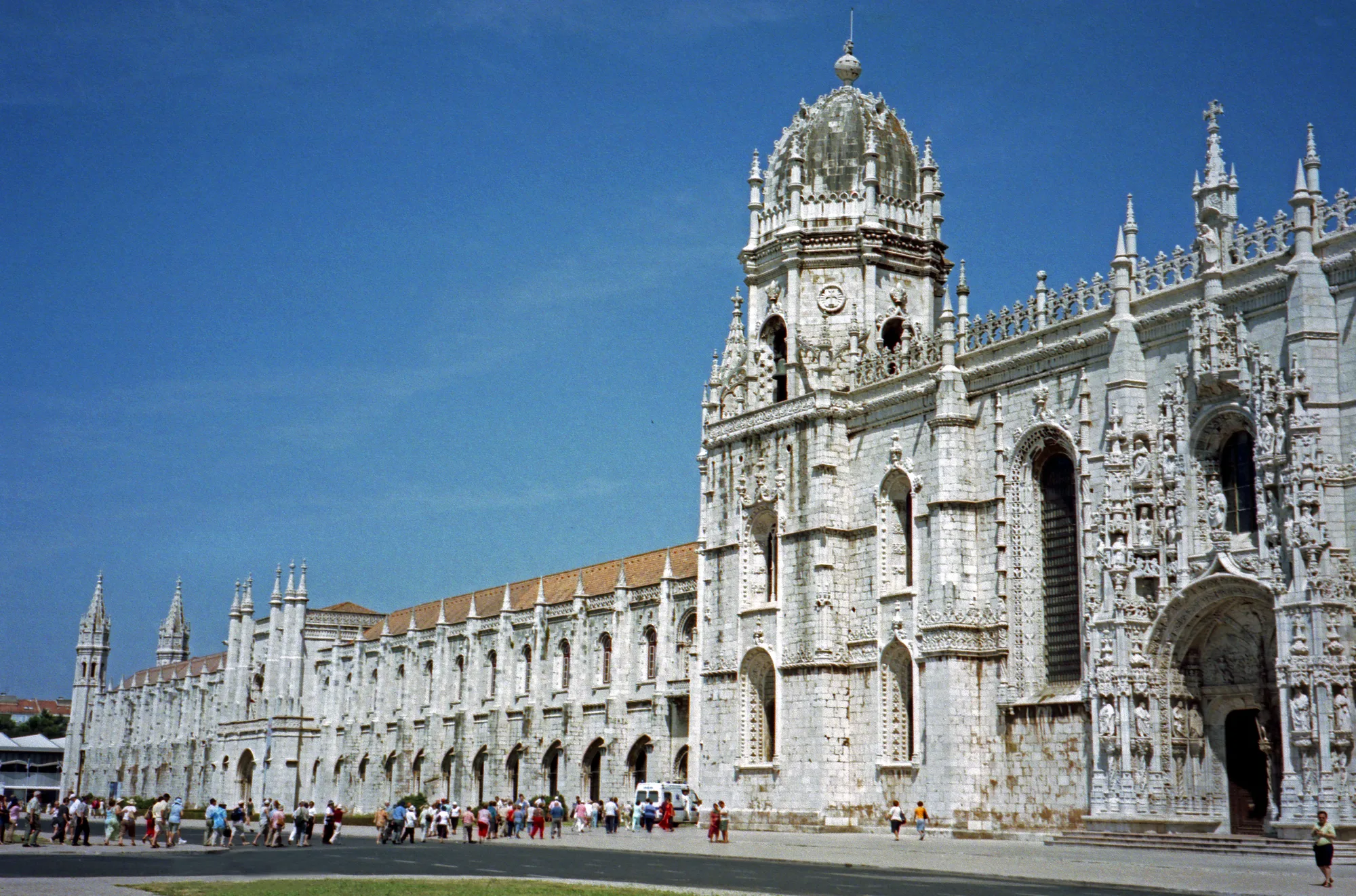
A realistic 48-hour sample plan (two days that feel good)
The best 48-hour strategy is not to cram. It’s to choose two days that naturally stack transit and included entries — then keep the rest of the time for the Lisbon you came for: viewpoints, lanes, cafés, and slow evenings.
Here’s a simple template that works well for many first-time trips.
- Day 1 (Belém): one major monument → one museum → long riverside walk → pastry ritual → easy dinner.
- Day 2 (central + hills): one landmark/museum → one ‘shortcut’ lift/tram use → viewpoint at sunset → dinner near where you end up.
- If either day feels line-heavy: do fewer interiors and add more walking/café time (still a win).
The best way to use it: plan one ‘card day’
Lisbon rewards clustering. Instead of trying to ‘use the card everywhere’, plan one day where you intentionally do several included sights and transit hops.
Belém is a classic choice because it’s flatter, monument-dense, and pairs naturally with museums and riverfront walking.
If you’re choosing between 24/48/72 hours, ask a simple question: will you keep a sightseeing pace for that long? Many travelers get the best value from a single focused day rather than trying to ‘optimize’ multiple days.
- Belém card day: monuments → museum time → river walk → pastry ritual.
- Central card day: one museum + one landmark + a connector shortcut (then sunset).
- Reality check: your best Lisboa Card plan still needs breathing room (cafés and breaks).
Belém guideA half-day route that stacks monuments, museums, and river light. Pastel de nataTurn your Belém day into a real Lisbon ritual, not a checklist.
 Walking routesUse walking as the ‘experience layer’ around your paid stops.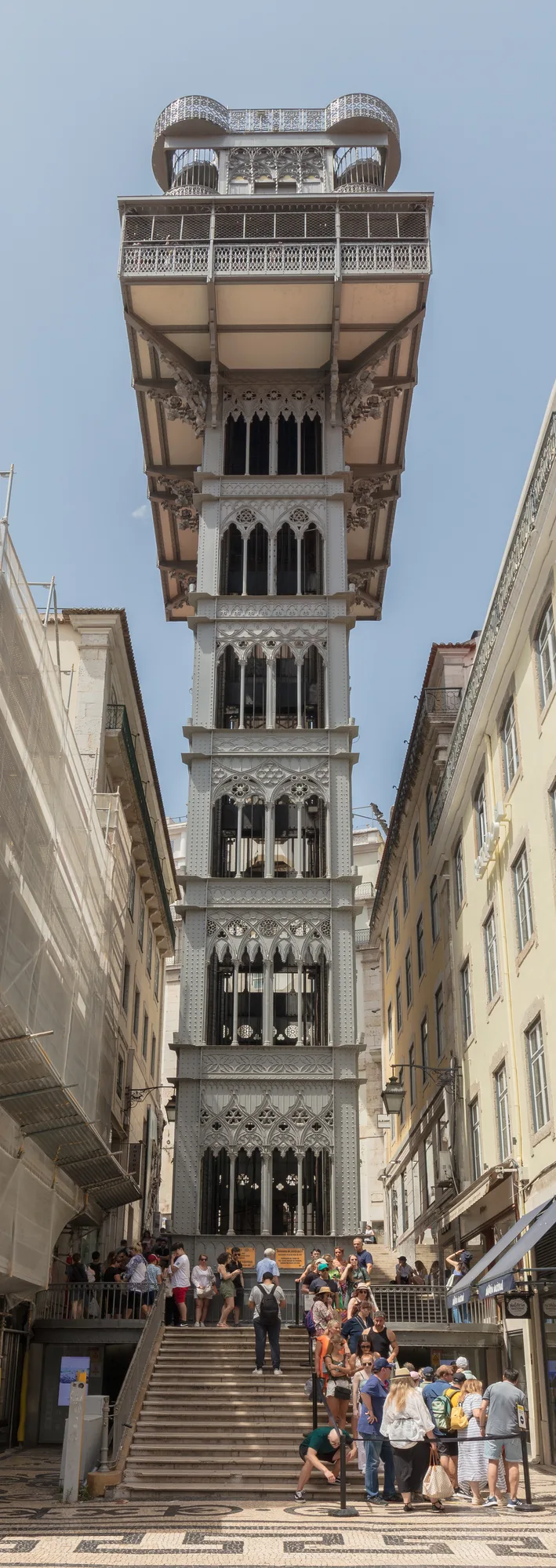
Activation and pickup (how it usually works)
Most passes have an activation moment: the clock starts when you first validate/use it. With Lisboa Card, the key idea is simple: don’t start the clock right before a long lunch unless that’s intentional.
If you buy online, expect pickup rather than shipping. Give yourself a buffer so you’re not racing a desk closing time on arrival day.
- Plan a morning activation if you want a full day of value.
- Don’t start the clock right before a long lunch unless that’s intentional.
Common mistakes (and how to avoid them)
Most Lisboa Card disappointment comes from planning errors: picking a day when key sites are closed, underestimating lines, or buying the card without a clear plan.
Fix that by choosing one day, checking opening days/hours, and keeping the route realistic. The best Lisboa trips are still about light, lanes, and timing — the card just smooths logistics.
- Don’t assume every attraction you want is included — verify the list for your dates.
- Avoid stacking too many interiors: one or two major stops is usually plenty.
- Plan your last transit ride if you’re out late (metro runs on a fixed schedule).
Is it worth it for you? A quick self-check
The honest answer to “is the Lisboa Card worth it?” is: it depends entirely on how you travel, so run a quick mental tally before buying. List the paid sights you genuinely want to enter and the transit you’ll realistically use, then compare that against the card price for the duration you’d need. If the included entries and rides comfortably exceed what you’d pay separately, it’s a win; if you’re mostly walking, lingering in cafés, and entering only one or two interiors, it usually isn’t.
Remember the card is also a convenience tool, not just a discount. For some travellers the real value is skipping ticket queues and not making a payment decision at every turnstile — that smoothness can be worth a small premium even if the raw maths is close. Decide which kind of traveller you are, verify the current inclusions and prices for your dates, and buy (or skip) with that in mind.
- Tally your wanted paid sights + realistic transit, then compare to the card price.
- Card wins for structured, interior-heavy days; loses for slow, café-and-walking days.
- Value isn’t only money — skipping ticket decisions and some queues counts too.
- Current inclusions and prices are worth checking for your exact dates before deciding.


