
Quick take
- Hidden gems are often timing-based: go early, go weekday, go one street over.
- Lisbon’s best ‘secret’ moments are slow: a garden bench, a ferry view, a long café pause.
- Use the riverfront to escape crowds — it’s Lisbon’s breathing room.
- Pair one “iconic” attraction with one “found” moment every day.
- Walk one neighborhood without an agenda: the city rewards wandering.
- If it’s your second visit, prioritize parks, creative districts, and small museums.

Quiet Lisbon: gardens and shade breaks
Lisbon has a soft side: gardens where the city noise drops and time expands. These are perfect midday resets — and they often feel like the Lisbon you’d live in, not the Lisbon you visit.
If you’re traveling as a couple, gardens are also the most reliable romantic plan: low effort, high atmosphere.
- Príncipe Real and Estrela are two of the best areas for garden-centered wandering.
- Bring a coffee and treat a park bench like an activity, not a pause.
 Príncipe Real guideLeafy streets, local design, and a garden-centered pace.
 Estrela guidePark time and a quieter Lisbon rhythm.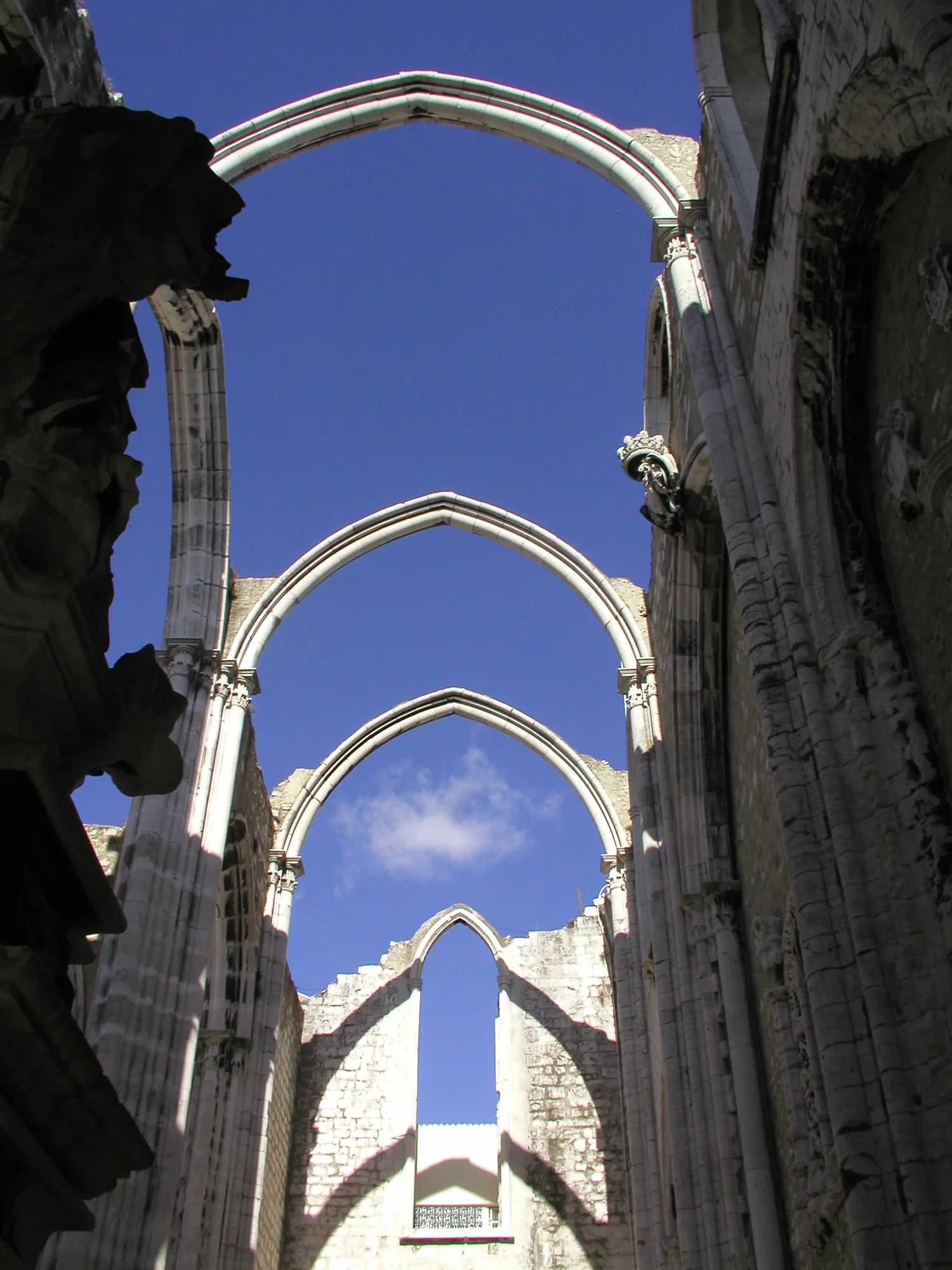
Riverside Lisbon: the best low-crowd atmosphere
When Lisbon feels crowded, go to the river. The Tagus waterfront has a different energy: wider paths, more breeze, and more space. It’s the city’s natural decompression zone, and because most visitors funnel into the same hilltop sights, the long stretches of riverbank often feel surprisingly quiet even in high season.
Build one ‘river hour’ into your trip: a promenade walk, a sunset bench, or a café near the water. It’s a simple habit that makes Lisbon feel calmer. The waterfront runs for miles, from the Belém monuments in the west to the modern promenades of Parque das Nações in the east, so there’s always a stretch within reach of wherever you’re staying — pick the nearest and let it be your reset.
- Best for: sunset light, long walks, and a break from steep lanes.
- Pair with: Belém monuments or Cais do Sodré evenings.

Creative Lisbon: street art, bookstores, and industrial corners
Lisbon’s creative energy often shows up in repurposed spaces: old industrial areas turned into design, food, and art hubs. It’s not always “hidden” — but it’s often skipped by first-timers focused on monuments.
If you want a different Lisbon, choose one creative afternoon and let it be open-ended: browse, snack, photograph, repeat.
- Great for: second visits, design lovers, and anyone who prefers browsing to line-standing.
- Go weekday afternoons for the calmest vibe.

Quiet versions of the famous things
Some of the best ‘hidden gems’ aren’t secret at all — they’re the famous experiences at the unfashionable hour. A celebrated miradouro at sunrise belongs to almost no one; the same terrace at sunset is shoulder-to-shoulder. Tram 28 at first light is a calm ride through waking neighborhoods; by mid-morning it’s a crush. Alfama before the tour groups arrive is pure atmosphere; after lunch it’s a procession. The gem is the timing, not a different place.
Apply this everywhere. Visit the big sights early or late, eat your main meal where the menu isn’t translated into six languages, and treat a weekday as a quiet superpower. You don’t need a list of obscure spots to find the Lisbon other people miss — you just need to show up when they don’t.
- Sunrise at a famous miradouro = the same view, almost alone.
- Tram 28 and Alfama are transformed by going at first light.
- Eat where menus aren’t in six languages with photos.
- Weekdays are a quiet superpower at popular sights.
Sunrise in LisbonFamous views with the crowds stripped away. Tram 28 guideWhen to ride for the calm version of the classic.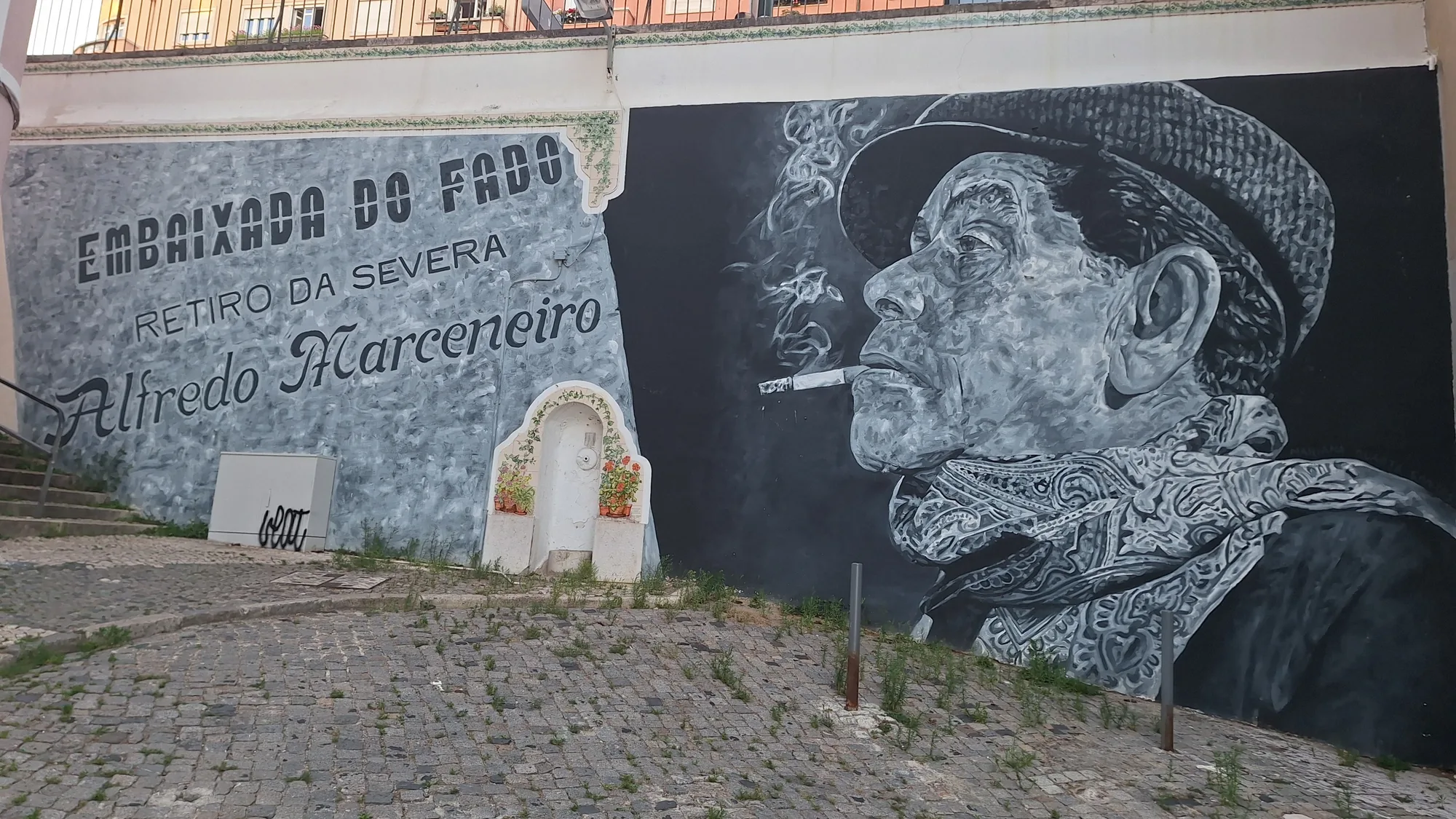
Lisbon’s overlooked corners (by category)
If you want actual directions for ‘something different’, think in categories rather than a single list, and let your mood pick. Lisbon’s lesser-trodden side clusters into a few reliable types: quiet green space, working-neighborhood streets, regenerated industrial zones, and the river. Each rewards an unhurried, agenda-free hour.
For green calm, the gardens of Príncipe Real and Estrela, and the grounds of the Gulbenkian, are central but feel a world away from the crowds. For lived-in Lisbon, residential districts like Campo de Ourique and Penha de França carry on much as they always have, with neighborhood markets and everyday cafés. For creative energy, the regenerated warehouses of Alcântara’s LX Factory and the eastern districts (Marvila and Beato, increasingly known for breweries and studios) offer industrial-cool browsing. And for breathing room, the riverfront is always there — the city’s free, wide-open escape valve.
- Green calm: Príncipe Real and Estrela gardens, and the Gulbenkian grounds.
- Lived-in Lisbon: Campo de Ourique and Penha de França.
- Creative/industrial: LX Factory (Alcântara) and the eastern Marvila/Beato districts.
- Breathing room: the riverfront, anywhere along the Tagus.

Small rituals that feel like ‘finding’ Lisbon
The most genuinely hidden thing about Lisbon isn’t a place — it’s a way of spending time. The travelers who fall hardest for the city are usually the ones who slow down enough to adopt its small rituals: a morning bica taken standing at a neighborhood counter, an hour on a garden bench with nowhere to be, a slow tram ride taken just for the view rather than to get anywhere. None of these cost much, and all of them make the city feel like yours.
Try building one such ritual into each day. Watch the river change colour from a quiet stretch of promenade. Take the public ferry across and back simply for the crossing. Pick a single staircase street in Alfama and climb it without a map, letting the dead ends and surprise squares be the point. The ‘gem’ in each case is the unhurried attention — the thing organized sightseeing leaves no room for, and the thing you’ll remember longest.
- A morning bica standing at a local counter — the most ordinary, most local ritual.
- An unhurried hour on a garden bench, with no next stop.
- A slow tram or ferry ride taken for the view, not the destination.
- One map-free staircase climb in Alfama, letting it surprise you.

Where it is
LX Factory
A creative Alcântara complex for browsing, street art, cafés, and a modern-Lisbon afternoon vibe.
Map pins
Map data © OpenStreetMap contributors · Tiles © OpenFreeMap


