
Quick take
- Marvila is Lisbon’s industrial-creative side: wide streets, warehouses, and new energy.
- It’s ideal when you want a break from the steep historic cores.
- Pair Marvila with Beato for an east-side ‘new Lisbon’ day.
- It’s a great rainy-day option because many stops are indoor-friendly.
- Come for tastings, contemporary corners, and the feeling of discovering something current.
- Best done as one focused afternoon, not as a quick detour.
Marvila vibe (who it’s for)
Marvila is a mood shift from central Lisbon: fewer postcard lanes, more space, more warehouses, and a sense that you’re seeing the city’s modern creative side.
If your Lisbon trip is heavy on Alfama/Baixa/Belém, Marvila is a refreshing contrast day — especially for couples who like design, contemporary culture, and slow browsing.
- Best for: contemporary Lisbon textures, tastings, galleries, and creative space.
- Not for: a ‘classic Lisbon’ first impression (do the historic core first).


What to do in Marvila (keep it simple)
Marvila works best when you treat it like an afternoon: one or two creative stops, one tasting, one long coffee — and then you leave before it gets tiring.
Don’t try to force it into a historic sightseeing checklist. Let it be different.
- Browse: warehouse-style spaces and contemporary corners.
- Taste: craft beer or wine-focused stops (depending on your mood).
- Walk: a short, easy stroll between stops — then move on.
 Craft beer guideIf your Marvila plan includes tastings, start here.Street art guideNeighborhoods where murals and creative energy show up naturally.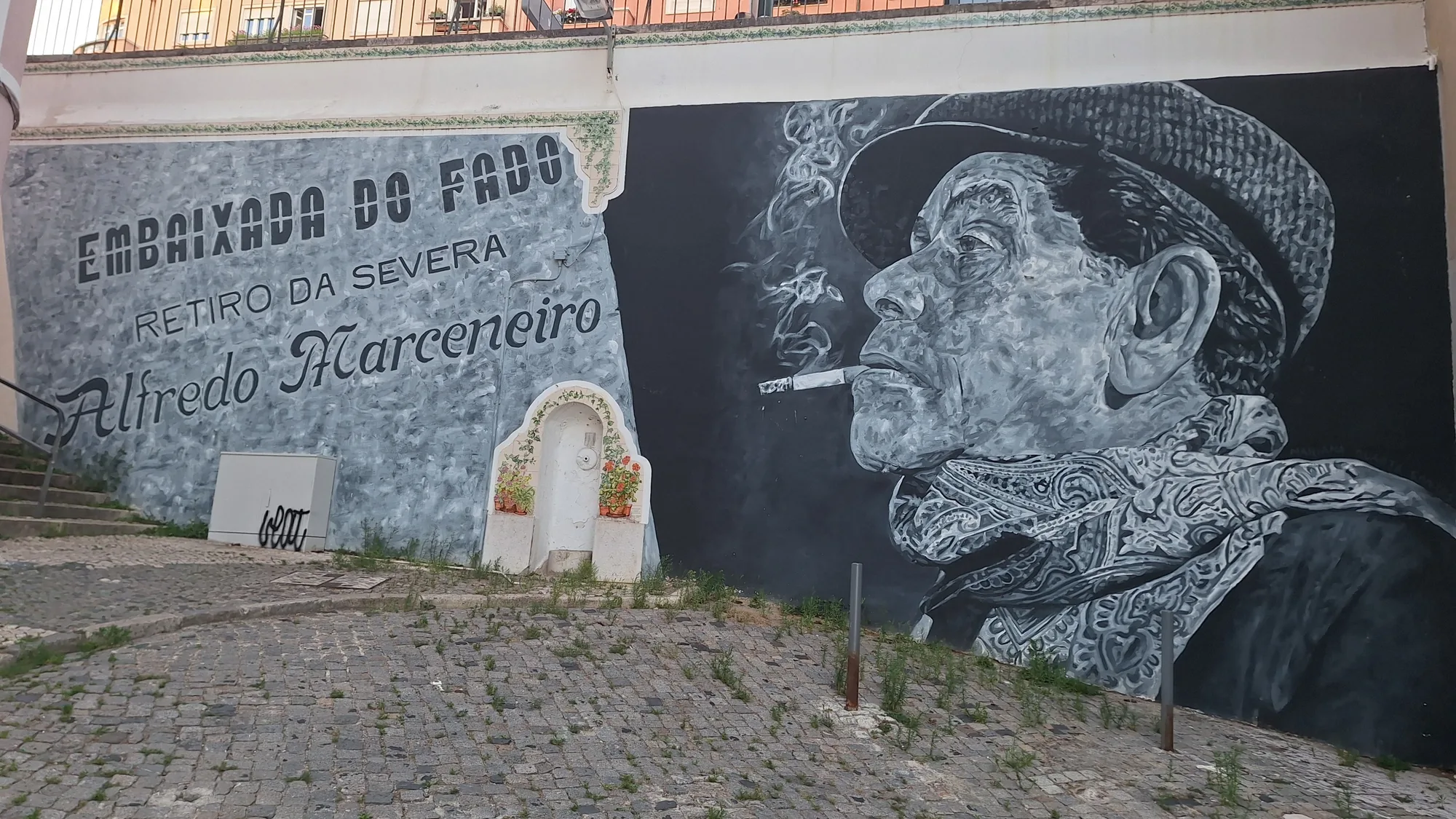
How to pair Marvila with the rest of your trip
Marvila pairs best with nearby east-side districts and with modern Lisbon. It’s not a place you ‘squeeze in’ between Alfama and Belém — it’s a dedicated contrast day.
- Best pair: Marvila + Beato (east-side creative day).
- Also pairs well with: Parque das Nações (modern riverfront walking).
- If you want old + new: do Alfama in the morning, Marvila late afternoon.

Marvila for couples
Marvila is romantic in a low-key way: shared tastings, long conversations, and the feeling of finding a neighborhood that isn’t built for tourism.
- Do: tastings + one great photo + an easy dinner afterward.
- Don’t: overschedule — the vibe is the point.

From docks and factories to a creative quarter
Marvila sits in eastern Lisbon, stretched along the Tagus on the flatter, industrial side of the city, well downriver from the historic core. For most of the twentieth century this was a working riverside of warehouses, docks and factories — including a long association with wine storage and bottling, thanks to its rail and river links. As that industry faded, the big brick warehouses were left behind, and in recent years they’ve been reclaimed by craft breweries, wine projects, galleries, design studios and creative businesses drawn by the space and the lower rents.
That history is exactly what gives Marvila its character today: high-ceilinged industrial rooms, wide streets that don’t climb, and a sense of a neighbourhood mid-transformation rather than finished and polished. It’s real, slightly raw, and refreshingly different from the tiled lanes most visitors picture. Because it’s still evolving, individual venues open and close, so it pays to check current listings rather than relying on a fixed name.
- Eastern, riverside, and flat — Lisbon’s old industrial side.
- A history of warehouses, docks and wine storage, now reclaimed by creatives.
- Big brick spaces house breweries, galleries and studios — but venues change.

Getting to Marvila
Marvila is genuinely out from the centre, so factor in a bit of travel. It’s not on the Metro directly, but it’s well served by city buses, and the eastern riverside rail and tram links make it reachable; the nearest big interchange is around Santa Apolónia or Oriente depending on your exact destination, and a ride-hail is often the simplest door-to-door option for a specific brewery or gallery. Because the neighbourhood is flat, once you arrive the walking between stops is easy — a relief after the hill districts.
The honest planning tip is to treat Marvila as a deliberate half-day, not a quick detour squeezed between Alfama and Belém. Go with one or two places in mind, allow time to get there and back, and confirm opening hours in advance, since many venues here keep limited or weekend-weighted hours rather than the all-day schedule you’d expect downtown. Plan your return for later in the evening before you settle in.
- Out east — reached by bus, eastern rail/tram links, or a ride-hail.
- Flat once you arrive: easy walking between warehouse stops.
- Plan it as a half-day with set targets; check opening hours, often weekend-weighted.

What to actually do in Marvila
Marvila isn’t about a checklist of sights — it’s about a few good experiences in a distinctive setting. The strongest draw is drinking and tasting: this is the heart of Lisbon’s craft-beer scene, with breweries and taprooms in converted warehouses, and there are wine projects and bars too, fitting given the area’s history of wine storage. Around them you’ll find contemporary art galleries and project spaces, design studios, and a riverside that, while industrial, gives you space and flat walking the historic core can’t.
A satisfying afternoon might string together a brewery or wine taproom, a gallery or two, a long coffee, and an easy stroll, then dinner before heading back. Because the neighbourhood is still evolving and many of its venues are independent and event-led, the single most useful piece of advice is to check what’s open and when before you go — opening hours here lean toward afternoons and weekends, and a place you read about may have moved or closed. Go curious and flexible, and Marvila gives you a genuinely current slice of the city.
It’s also one of Lisbon’s more weather-proof neighbourhoods, since so much of what you do happens inside large indoor spaces — a useful card to have up your sleeve on a rainy or punishingly hot day when the hill districts are less appealing. And it suits a sociable, unhurried mood: the format of tastings and shared plates makes it good for couples and small groups who want to sit, talk and graze rather than march between monuments. Treat it as a change of pace rather than a substitute for the historic core, and it earns its place in a longer trip.
- Lead with tastings: craft-beer taprooms and wine bars in old warehouses.
- Add contemporary galleries, project spaces and design studios.
- Enjoy the flat, spacious riverside between stops.
- Check opening hours first — many venues are afternoon/weekend-weighted and change.


