
Quick take
- Lisbon is a strong solo city: walkable neighborhoods, easy public transport, and a café culture that makes solo time feel natural.
- Best solo strategy is coherence: one area per day + a simple evening plan near your base.
- Choose accommodation that supports easy evenings (and quick returns).
- Day trips are solo-friendly if logistics are simple (Cascais is the easiest first pick).
- Stay street-smart in crowds and transit — the same rules as any major tourist city.
- If you want social energy, add one group activity or guided walk to break the solo rhythm.
Is Lisbon good for solo travel?
Yes — especially for travelers who love walking cities. Lisbon has neighborhood texture, reliable transit, and a café rhythm that makes solo travel feel effortless rather than awkward.
The main thing solo travel needs is a simple plan: choose your base well, keep each day coherent, and make evenings easy.
- Best for: walkers, food lovers, museum fans, and slow travelers.
- Plan for: hills (pace matters) and crowds in iconic areas.


Best solo-friendly areas (by vibe)
Pick a base based on how you want evenings to feel: calm and local, or central and convenient. Solo trips feel best when nights don’t require complicated transport.
- If you want convenience: central neighborhoods make planning easy.
- If you want old-lane texture: stay close to the hills, but expect more steps.
- If you want calm sleep: choose a quieter base with strong transport links.
A simple solo itinerary (4 days)
This itinerary is designed to feel complete without rushing. It also reduces decision fatigue: one main zone per day, a planned sunset, and a low-effort dinner plan nearby.
- Day 1: Baixa/Chiado loop + cafés + sunset + dinner nearby.
- Day 2: Graça viewpoints → Alfama drift + long lunch + optional fado night.
- Day 3: Belém monuments + river walk + museum/architecture block.
- Day 4: Cascais day trip OR a slow museums + markets + food day.
 ItinerariesMore day-by-day templates (2–7 days).Cascais day tripThe simplest solo-friendly escape day from Lisbon.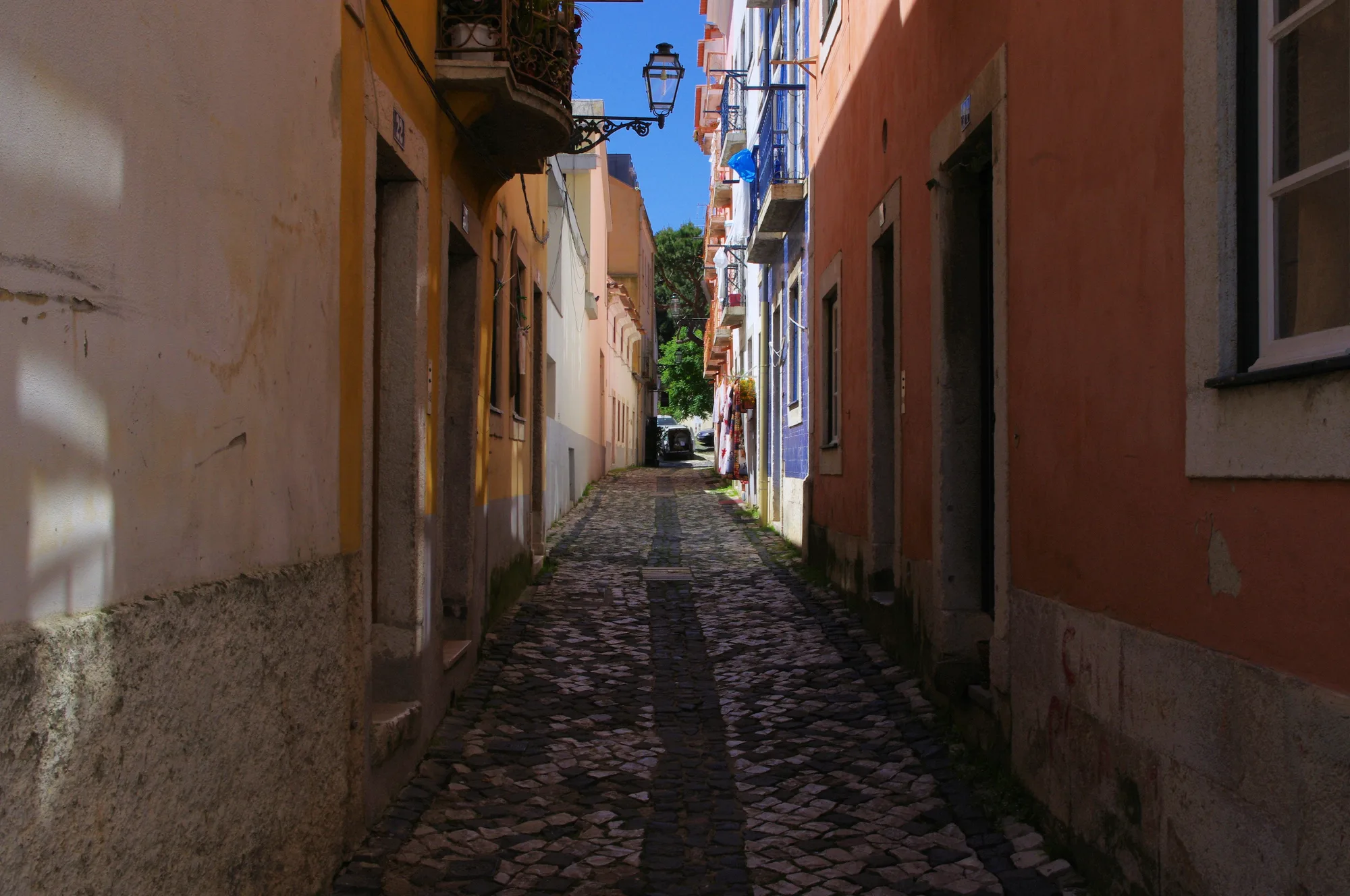
How to make solo evenings easy (and fun)
The best solo evenings have a plan that doesn’t require effort. Choose one viewpoint, one dinner area, and one optional ‘music night’ — then repeat the pattern with a different neighborhood.
- Sunset first, dinner second, wandering third.
- If you want one ‘social night’: do fado or a small guided experience once.
- Use rides for comfort if energy is low — solo travel is not a test.

Solo safety notes (practical, not anxious)
Solo travel is smoother when the basics are automatic: keep valuables secure in crowds, stay aware on busy transit, and don’t over-commit to late-night logistics.
- Crowds: keep phone and wallet secure (zipped bag, front pocket).
- Transit: stay aware at doors and in busy stations.
- Night: choose well-lit walking routes or take a short ride when tired.

Eating alone in Lisbon (it’s genuinely easy here)
One of the quiet wins of solo travel in Lisbon is how comfortable it is to eat alone. The city’s default casual meal is petiscos — small, shareable-but-not-required plates eaten at a tasca or a counter — which means a bar stool, a glass of vinho verde, and a couple of dishes is a completely normal solo order, not a compromise. Counter seating at markets and the city’s many cafés makes a solo lunch feel sociable rather than self-conscious.
A simple rhythm works well: a pastel de nata and a bica (espresso) to start the morning, a relaxed counter lunch of petiscos, and a planned dinner near your base so the evening doesn’t require decisions when you’re tired. If you want a touch of company, lunchtime is the easiest time to chat with staff or fellow travellers, and a food market puts you among people without any pressure to make conversation.
- Petiscos and counter seating make eating alone feel natural, not awkward.
- Markets and cafés are the easiest solo meals — sociable but low-pressure.
- Plan dinner near your base so tired-evening decisions disappear.

How to meet people (if you want to)
Solo doesn’t have to mean alone the whole trip. The lowest-effort way to break the solo rhythm is to add one shared activity: a fado night in a small Alfama or Mouraria room, a guided walking tour, a cooking or tasting experience, or simply a lively nightlife street like Bairro Alto where the energy is communal. Hostels and many small guesthouses run social events even if you’re not staying in a dorm, which can be an easy on-ramp.
The trick is balance. One or two social anchors across a trip usually hits the sweet spot — enough connection to feel part of the city, without losing the freedom that made you travel solo in the first place. Daytime tours and group experiences also tend to attract other solo travellers, so they’re a natural place to find a dinner companion for the evening if you want one.
- Add one shared anchor: a tour, a fado night, a cooking class, or a tasting.
- Daytime group experiences are where other solo travellers gather.
- Bairro Alto and Cais do Sodré offer communal nightlife energy when you want it.

Practical solo logistics that save energy
A few small systems make a solo Lisbon trip smoother. Sort transport early — a rechargeable Viva Viagem card covers Metro, trams, buses, and the funiculars, and removes the daily friction of buying tickets. Keep a portable battery on you if you rely on your phone for maps and rides, since a dead phone is far more stressful when there’s no one else to navigate. And don’t over-romanticise doing everything the ‘local’ uphill way: a short taxi or ride-hail at the end of a long day is a comfort tool, not a failure.
Because no one’s watching your bag, build small habits into busy moments — phone and wallet secured on crowded trams and at sunset viewpoints, and a quick photo of where you’re staying so you can show a driver or find your way back. None of this is about fear; it’s about removing the handful of situations where solo travel gets harder than it needs to be.
It’s also worth sharing a rough plan with someone back home and keeping your accommodation address saved offline, so that even with no signal you can always get back to base.
- Get a Viva Viagem card early to skip daily ticket friction.
- Carry a portable battery — a dead phone is worse when you’re solo.
- Use a short taxi at day’s end without guilt: comfort beats proving a point.


