
Quick take
- Choose a base that supports romance: calm streets, gardens, and easy evening returns.
- Plan one sunset viewpoint daily — it’s the city’s most reliable ‘wow’ moment.
- Balance one iconic experience (Tram 28 / Belém / Alfama) with one quiet one (garden / river walk).
- Book one intentional night (fado or a special dinner), keep the rest flexible.
- Build in café and park time — Lisbon romance lives in pauses.
- If you’re proposing, choose privacy: sunrise or weekday golden hour.
Where to stay as a couple (romance vs convenience)
For a couples trip, where you stay shapes how your evenings feel. If you want easy logistics and short walks home, choose central Baixa/Chiado. If you want calmer romance and garden energy, choose Príncipe Real or Estrela.
If nightlife is part of your trip, stay near it — but not necessarily inside the loudest streets. Romance needs sleep.
- Most convenient: Baixa/Chiado (central, walkable).
- Most romantic calm: Príncipe Real or Estrela (gardens, slower pace).
- Most nightlife: Bairro Alto or Cais do Sodré (lively, noisy).


A couples-first 3-day Lisbon plan
This plan is built for romance and realism: one central day, one old-neighborhood day, one riverfront day. Each day ends with golden hour and avoids excessive cross-city bouncing.
Swap the order based on weather: do Belém on the clearest day for river light; do museums and cafés on the hottest or rainiest day.
- Day 1: Baixa + Chiado + sunset at Santa Catarina + long dinner.
- Day 2: Alfama + viewpoints + fado night (one intentional evening).
- Day 3: Belém monuments + river walk + pastry ritual + early night.
 All itineraries (1–5 days)Adjust the plan to your exact trip length.
 Belém guideThe best half-day couples route along the Tagus.
Romantic pacing: the hills, the pauses, the light
If Lisbon feels tiring, it’s usually because you’re doing too many hills without breaks. Couples trips are best when they include deliberate pauses: cafés, gardens, and riverside walking.
Treat golden hour as a daily anchor. It turns an ordinary day into a memory without adding complexity.
- Plan one big climb per day max.
- Schedule one long café stop as a real activity.
- End at a viewpoint, then drift into dinner.

One unforgettable night: fado or a romantic dinner
Choose one night to be intentional. In Lisbon, the most classic choice is fado — an experience that can feel deeply romantic when it’s done well and not rushed.
If fado isn’t your style, choose a long dinner in a calm neighborhood and build the evening around a viewpoint first.
- Fado night: choose once, go slow, listen more than you talk.
- Dinner night: pair with a viewpoint, then eat late and linger.


Getting around together (without it becoming a chore)
Lisbon’s hills are the romance and the workload in equal measure. The good news is the city makes the climbs optional. The historic funiculars — Glória (up to the Bairro Alto/São Pedro de Alcântara viewpoint), Bica (the photogenic tiled descent), and Lavra — turn steep streets into short, scenic rides. The Santa Justa Lift connects the flat Baixa grid up to the Carmo/Chiado level. And the Metro is clean and easy, running roughly from early morning until around 1am — useful for getting back to your base after a late dinner.
The famous Tram 28 is a romantic idea on paper, but in reality it’s usually crowded and a known target for pickpockets, so treat it as a one-time experience early in the morning rather than your daily transport. For point-to-point trips, the Metro, a short walk, or a ride-hail app are calmer. A rechargeable Viva Viagem / Navegante card covers metro, trams, buses and the funiculars and saves fumbling for tickets — worth setting up on day one.
The real pacing secret for couples is to cluster by neighbourhood so you’re not crossing the city repeatedly. Pick a district per half-day, walk it, and use transport only to jump between clusters. That keeps the hills as a feature, not a grind, and leaves energy for the evening.
- Funiculars (Glória, Bica, Lavra) and the Santa Justa Lift turn climbs into short rides.
- Metro runs ~early morning to ~1am — handy after a late dinner.
- Tram 28: ride it once early; it’s crowded and pickpocket-prone otherwise.
- A Viva Viagem / Navegante card covers most transport — set it up on day one.
 Getting around LisbonTrams, metro, funiculars and how to combine them.Tram 28 guideHow to ride the famous tram well (and when not to).Viva Viagem cardThe rechargeable card that simplifies couple logistics.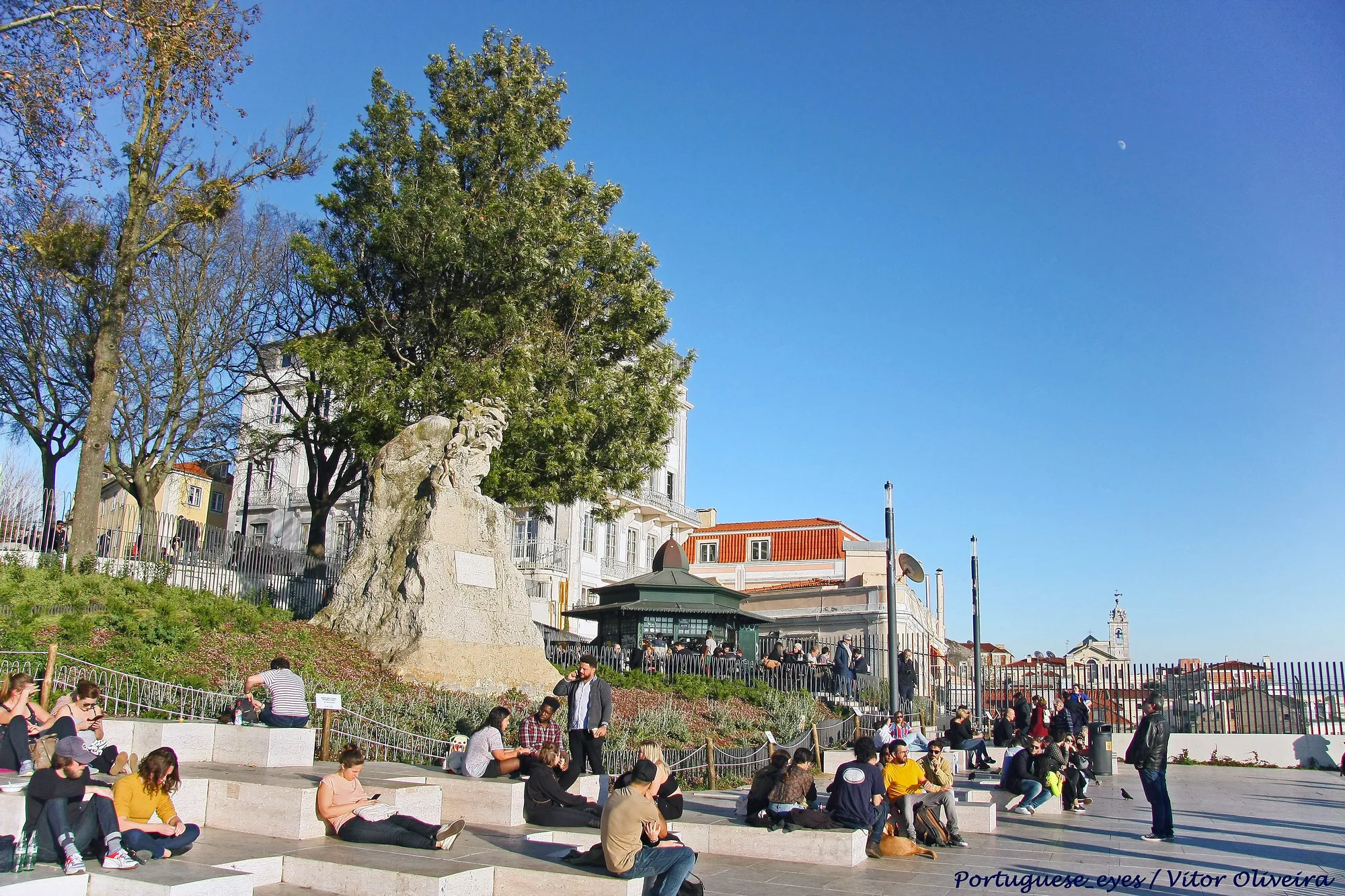
Day trips for two (when to leave the city)
A great couples trip usually includes one escape from the city, and Lisbon is unusually rich in easy ones. Sintra is the fairytale classic — misty hills, romantic palaces and lush gardens, reachable by a short CP train from Rossio. It’s magical but popular, so go early, pick one or two palaces rather than all of them, and treat the whole day as the experience. Cascais, on the coastal line, is the breezy seaside alternative: a walkable town, ocean air, and a gentler pace.
If you want quieter and more grown-up, the Setúbal/Arrábida direction trades crowds for green hills and turquoise coves, and the walled town of Óbidos to the north is a compact, romantic detour. Whichever you choose, one day trip is usually plenty for a city break — more than that and you start trading away the Lisbon evenings that make the trip feel like yours. The Setúbal and Óbidos runs are bus/regional rather than the simple urban train, so it’s worth a quick look at the current schedule before you commit a day to them.
The pairing logic matters too: schedule the day trip for the clearest forecast (Sintra’s hills can sit under cloud), and keep the day before and after lighter so you’re not exhausted on either side. Come back in time for a slow dinner — arriving home to a good meal is part of the pleasure.
- Sintra: fairytale palaces and gardens — go early, pick one or two, train from Rossio.
- Cascais: easy coastal town on the train line — breezy and relaxed.
- Quieter options: Arrábida/Setúbal coast, or the walled town of Óbidos.
- One day trip is usually enough; verify schedules and save energy around it.
Anniversaries, honeymoons and proposals (making it special)
If you’re marking something — an anniversary, a honeymoon, a proposal — Lisbon gives you a lot to work with, and the secret is restraint. Choose one signature moment and protect it: a sunrise viewpoint with the city to yourselves, a quiet fado night, a special dinner with a river view, or a golden-hour proposal somewhere with space and soft light. Build the rest of the day gently around that single highlight rather than stacking grand gestures.
For privacy — which matters for proposals especially — favour weekday mornings, sunrise, or lesser-known viewpoints over the busiest Saturday-sunset terraces. Have a simple weather backup in mind, since Lisbon’s light can change quickly, and keep logistics minimal so nerves and timing don’t collide. The most memorable special occasions here tend to be calm and well-timed, not elaborate.
- Pick one signature moment and build the day gently around it.
- For privacy: sunrise, weekday mornings, or a quieter viewpoint.
- Keep a simple weather backup ready for outdoor plans.


