
Quick take
- Christmas Lisbon is about atmosphere: lights, cafés, long dinners, and early golden hour walks.
- Holiday schedules vary — plan flexibility and verify opening hours for museums/attractions.
- Central Lisbon is the easiest base for Christmas trips because evenings stay simple.
- Build one ‘interior anchor’ into each day (museum/market/long lunch) to stay weather-proof.
- Public holiday weeks can be busier and pricier — book earlier if dates are fixed.
- Treat holiday markets as a bonus, not the whole trip (set expectations).
What Christmas in Lisbon is like
Christmas in Lisbon is cozy rather than snowy. It’s a city-break version of the holiday: warm pastries, tiled streets after rain, golden light on viewpoints, and evenings that feel made for long dinners.
It’s also a great season for slower travel. Instead of trying to do everything, build days around neighborhoods and let the holiday atmosphere fill the gaps.
- Best for: couples, food trips, museums, and city texture.
- Plan for: shorter days, cooler evenings, and holiday opening-hour changes.

Where to go for Christmas atmosphere
Holiday lights and ‘city-break’ atmosphere tend to be strongest in central Lisbon. Think of it as an evening stroll plan: one photogenic street, one warm café, then dinner.
- Center: Baixa + Chiado for easy strolls and classic Lisbon streets.
- Riverfront: Praça do Comércio / riverside areas for wide-open views and light.
- Viewpoints: one golden-hour miradouro walk makes the whole day feel special.

A cozy 3-day Christmas itinerary (template)
Use this plan as a rhythm: one neighborhood walk, one interior anchor, one golden-hour moment — then dinner. Repeat in a different part of the city each day.
- Day 1: Baixa/Chiado loop + museum/market anchor + sunset + dinner nearby.
- Day 2: Graça viewpoints → Alfama drift + long lunch + optional fado night.
- Day 3: Belém monuments + river walk + museum/architecture + early dinner.
 3-day itineraryA detailed first-timers plan that fits Christmas pacing.
 Food & drinkBuild a holiday trip around meals without reservation stress.
Openings, crowds, and what to verify
Christmas week can change opening hours for museums, attractions, and some restaurants. Treat it like a flexible travel week: choose your ‘must-do’, book/verify it, and keep the rest adaptable.
- Verify: museum and monument opening hours on holiday dates.
- Book: any ‘must-do’ restaurant or special experience in advance.
- Keep: one rainy-day plan ready (museums + markets + long lunch).
Where to stay for Christmas (simple rule)
Choose a base that keeps evenings easy. Christmas trips feel best when you can finish dinner and be home quickly — without complicated late-night transport.
- If you want ease: central neighborhoods keep nights simple.
- If you want romance: choose a base that supports viewpoint walks and calm dinners.
 Where to stayPick a neighborhood that matches your energy and sleep needs.
 Uber vs BoltA comfort upgrade for late nights and holiday-week logistics.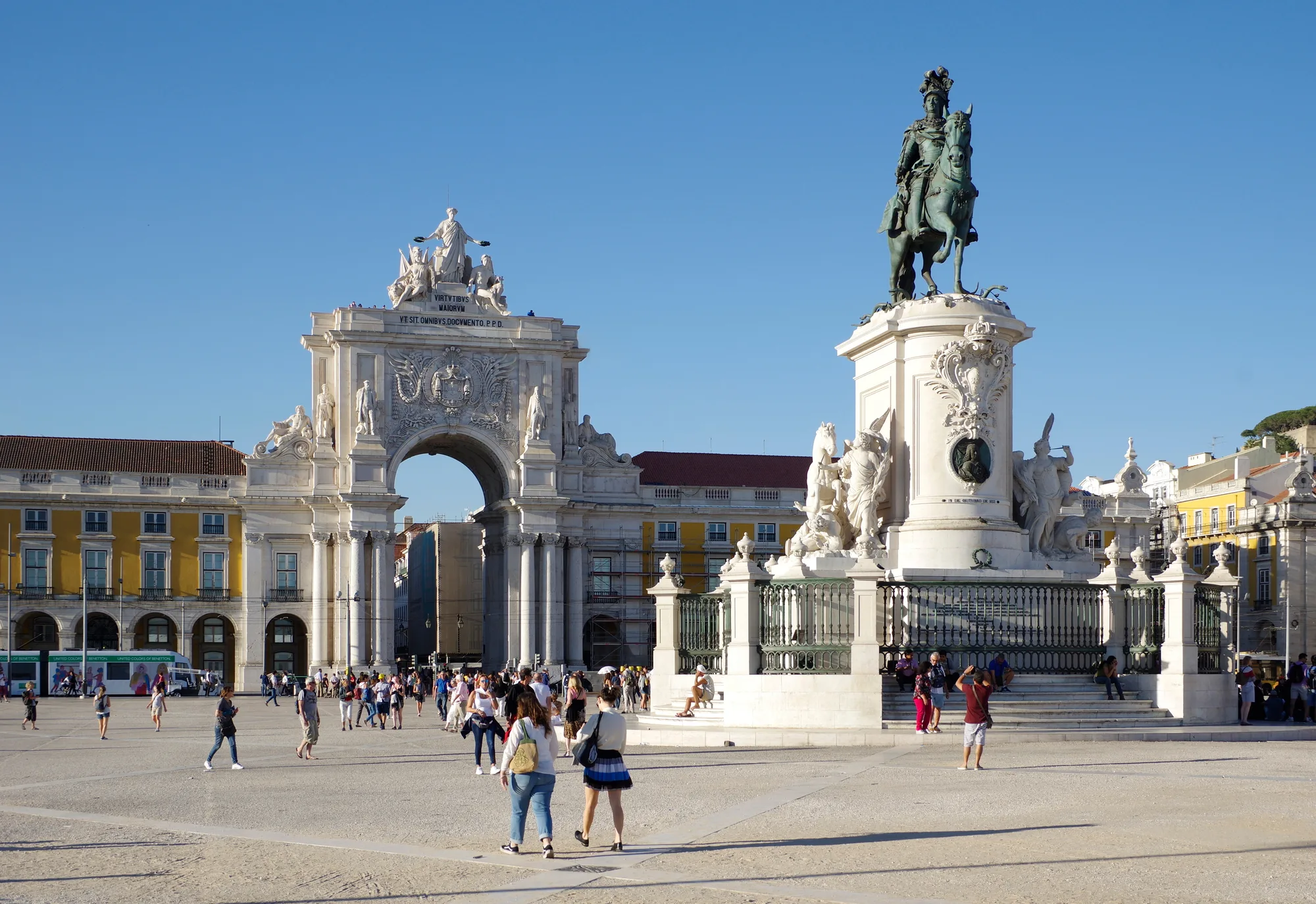
What the weather and daylight are really like
Lisbon at Christmas is cool, not cold, by northern-European standards — mild days, cooler evenings, and a genuine chance of rain rather than snow. That makes it a very walkable winter city most days, but the smart plan still keeps one indoor anchor (a museum, a market, a long lunch) ready for any wet spell, since rain tends to arrive in bursts.
The shorter daylight shapes the trip more than the temperature does. Sunset arrives early in late December, so golden hour lands well before dinner — fold a viewpoint or a riverside walk into the late afternoon and you’ll still have a long, warm evening for a meal. Wet calçada (the polished stone paving) gets slippery, so grippy shoes and an unhurried pace on the steep descents matter more than usual.
- Mild and walkable most days, but pack layers and grippy shoes.
- Rain comes in spells — keep one indoor anchor ready each day.
- Early sunset means golden hour before dinner: plan a viewpoint in.
Christmas food: where the season really shows up
Lisbon’s Christmas is less about markets than about the table. The defining dish is bacalhau (salt cod) — Consoada, the Christmas Eve supper, traditionally centres on simply boiled bacalhau with potatoes, cabbage, and egg. Around it comes a parade of seasonal sweets you’ll see piling up in pastelarias all month: bolo rei (a crown-shaped candied-fruit cake), filhós, sonhos, rabanadas (Portugal’s French-toast-like treat), and azevias.
The practical move is to lean into this rather than chase events. Build a day around a long lunch, a pastry-and-coffee ritual, and an unhurried dinner. Note that many family-run restaurants close around the 24th–25th for the holiday itself, so if you’re in town then, book ahead or plan for hotel and larger-venue dining on those specific days.
A warming Lisbon classic to look out for in winter is caldo verde — the kale-and-potato soup with a slice of chouriço — alongside hearty bacalhau dishes and slow-cooked stews. Pair the meals with a glass of red or a small ginjinha against the chill, and you have a December rhythm that needs no festival at all: eat slowly, walk it off along a lamp-lit street, repeat.
- Try the season’s sweets: bolo rei, rabanadas, filhós, sonhos.
- Bacalhau is the Christmas centrepiece — a great excuse for a long lunch.
- Warming classics: caldo verde soup, stews, and a small ginjinha against the cold.
- Many small restaurants close on the 24th–25th: book ahead or plan around it.
Openings, closures, and what to verify
Holiday weeks shift schedules. Around the 25th (and to a lesser degree the days either side and New Year’s Day) some museums, monuments, and restaurants close or run reduced hours, and public transport often follows a Sunday-style timetable. The fix is simple: check the official page of any must-do before you build a day around it, and keep the rest of the plan flexible.
Two longer-term notes for any winter trip: the Museu Nacional do Azulejo (the National Tile Museum) is closed for renovation, with reopening expected in 2026, and the Calouste Gulbenkian Museum’s Founder’s Collection is also under renovation and expected to reopen in 2026 — though its gardens and the CAM modern-art building stay open. Reopening timelines for both have slipped before, so each venue’s official site is the place to confirm close to your travel date.
The simplest way to stay relaxed about all of this is to pick one ‘must-do’ per day, confirm it, and treat the rest as flexible. With short winter days and the odd closure, a loose plan that can absorb a wet morning or a shut door is far less stressful than a rigid schedule built around exact hours that may have shifted for the season.
- Holiday-date hours are worth checking for any museum, monument, or restaurant you’re set on.
- Expect Sunday-style or reduced transport on the main public holidays.
- Tile Museum and Gulbenkian Founder’s Collection: renovating, reopening expected 2026 — check official.
- Confirm one ‘must-do’ per day and keep the rest flexible.


