
Quick take
- Lisbon’s biggest street-party energy tends to peak in June (Festas de Lisboa / Santo António).
- Summer is music-festival season; autumn often has major conferences and cultural events.
- Event dates can shift each year — use this guide for timing, then verify specifics.
- Events change crowd levels dramatically in central neighborhoods.
- If you’re visiting during an event week, book accommodation earlier.
- Even without big events, Lisbon’s golden hour and street life are the main show.
How to use this events guide
Lisbon has a strong calendar, but event schedules can shift year to year. Use this page to understand the seasonal rhythm — then verify exact dates when you book.
If your trip dates are flexible, aligning with a festival can be magical. If you prefer calm, avoid the busiest central areas during the biggest street-party periods.
- Use this guide for: timing and expectations.
- Worth a look: exact dates, tickets, and neighborhood closures.
June: Festas de Lisboa and Santo António
June is Lisbon’s most iconic festival month. Visit Lisboa highlights the night of 12→13 June as the peak street-party moment, when neighborhood arraiais fill streets with music and grilled sardines — and the city stays loud and lively long past bedtime.
Another June highlight is Marchas Populares: a parade-style celebration held on Avenida da Liberdade. Visit Lisboa notes the Marchas began in 1932 and describes the parade as taking place on the evening of June 12 (with timing that can vary by year).
If you want classic Lisbon street culture, this is the season. If you want quiet romance, choose calmer neighborhoods or step away from the busiest party streets.
- Expect: crowds, street food, late nights, and lively neighborhood energy.
- Plan: earlier dinners, flexible transit, and a calmer base if you want sleep.
- If you’re there for Marchas: verify the year’s route and start time (and arrive early).
 Alfama guideOld Lisbon atmosphere — and how it feels during peak energy periods.
 Safety in LisbonCrowd-smart tips for busy festival streets.
Sources
- Visit Lisboa: St Anthony’s Night (June 12→13) ↗
Official overview of the arraiais street-party tradition.
- Visit Lisboa: Marchas Populares ↗
Official notes on the Marchas tradition (began in 1932) and the Avenida da Liberdade parade.
Summer: music, long evenings, and beach escapes
Summer brings long evenings and a lively city mood. It’s also when many travelers mix Lisbon with coastal time — a perfect reason to plan a Cascais day trip or a beach afternoon.
If heat and crowds are intense, build your days around early walking and mid-day shade: museums, cafés, and markets.
- Best add-on: a coastal day trip (Cascais) for ocean air.
- Daily strategy: sunrise-ish start + mid-day shade + golden hour viewpoint.
 Cascais day tripThe easiest coastal reset from Lisbon.
 MuseumsPerfect mid-day shade blocks when summer heat hits.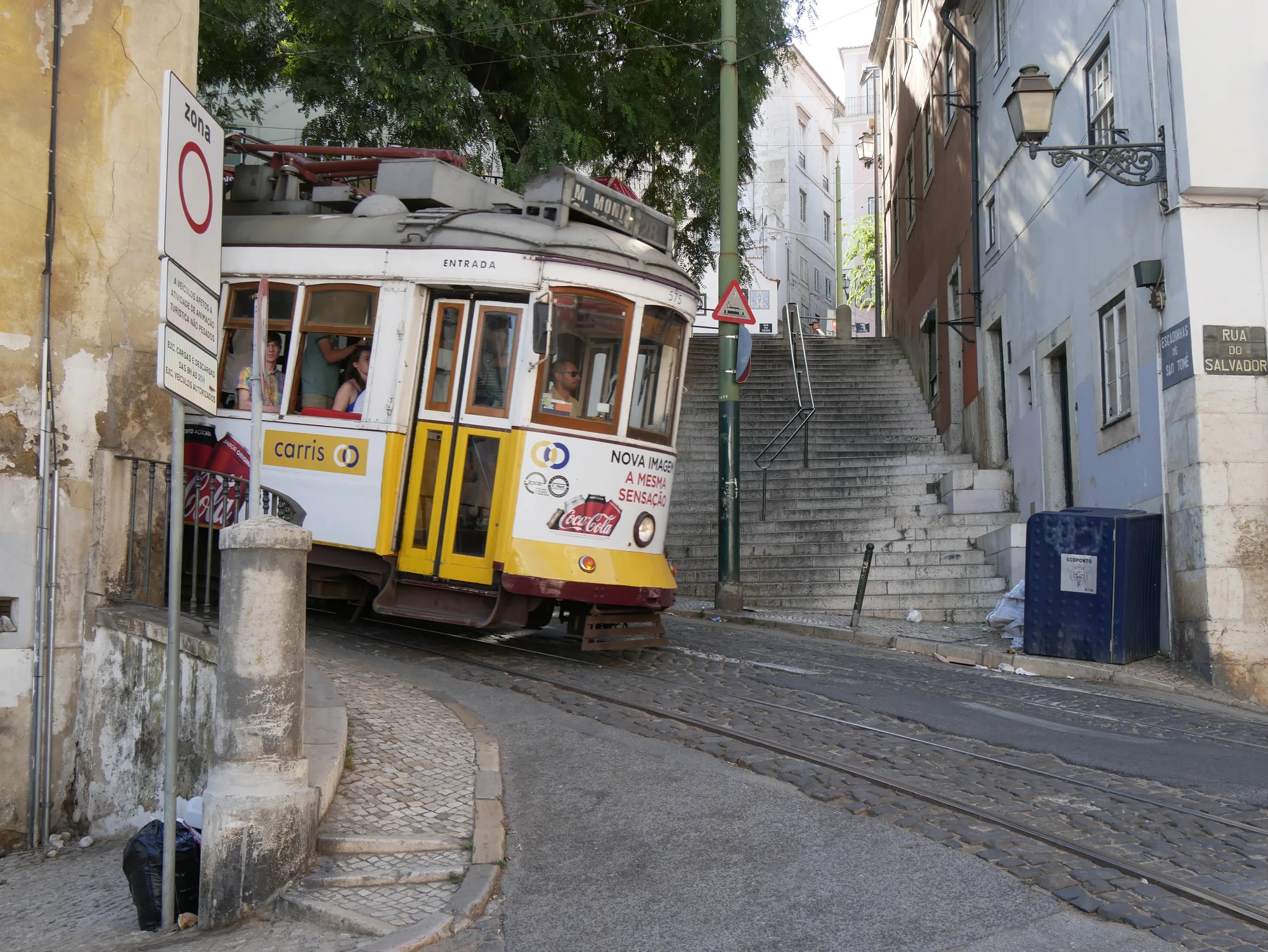
Early July: NOS Alive (big festival energy by the river)
If your Lisbon trip overlaps a big summer festival, accommodation and late-night transport can feel different. NOS Alive is one of Lisbon’s best-known festivals, held at Passeio Marítimo de Algés on the Tagus riverfront (near the Belém/Algés side of the city).
Even if you don’t attend, it’s useful to know it’s happening: crowds and prices can shift, and the riverside areas feel extra lively.
- If you want calm sleep, avoid staying directly on the loudest nightlife streets during festival weeks.
- If you want atmosphere, plan a riverfront evening (Belém/Algés area).

October: Lisbon Marathon (big-run weekend)
Lisbon’s major marathon weekend can affect road closures, crowding, and accommodation demand. The EDP Lisbon Marathon is held in October and is one of the biggest ‘logistics weeks’ you might accidentally overlap.
If you’re in town then, the upside is great atmosphere; the downside is you’ll want to plan transport more deliberately.
- Book accommodation earlier if your dates overlap marathon weekend.
- Build in extra buffer time for transit and crossings on the main event morning.
November: Web Summit week (conference crowd spike)
Web Summit is held in Lisbon in November and can noticeably increase accommodation demand and city ‘busy-ness’ — especially around venue and business areas.
If you’re visiting during that week, plan ahead and choose your base based on the kind of trip you want: calm sightseeing, or a more social/conference-adjacent vibe.
- Book earlier and expect higher prices during major conference weeks.
- Modern districts and transport hubs often feel busier than usual.
Parque das NaçõesModern Lisbon — and a district that often feels busier during big-venue weeks. Best time to visitHow crowds and seasonality change the trip feel.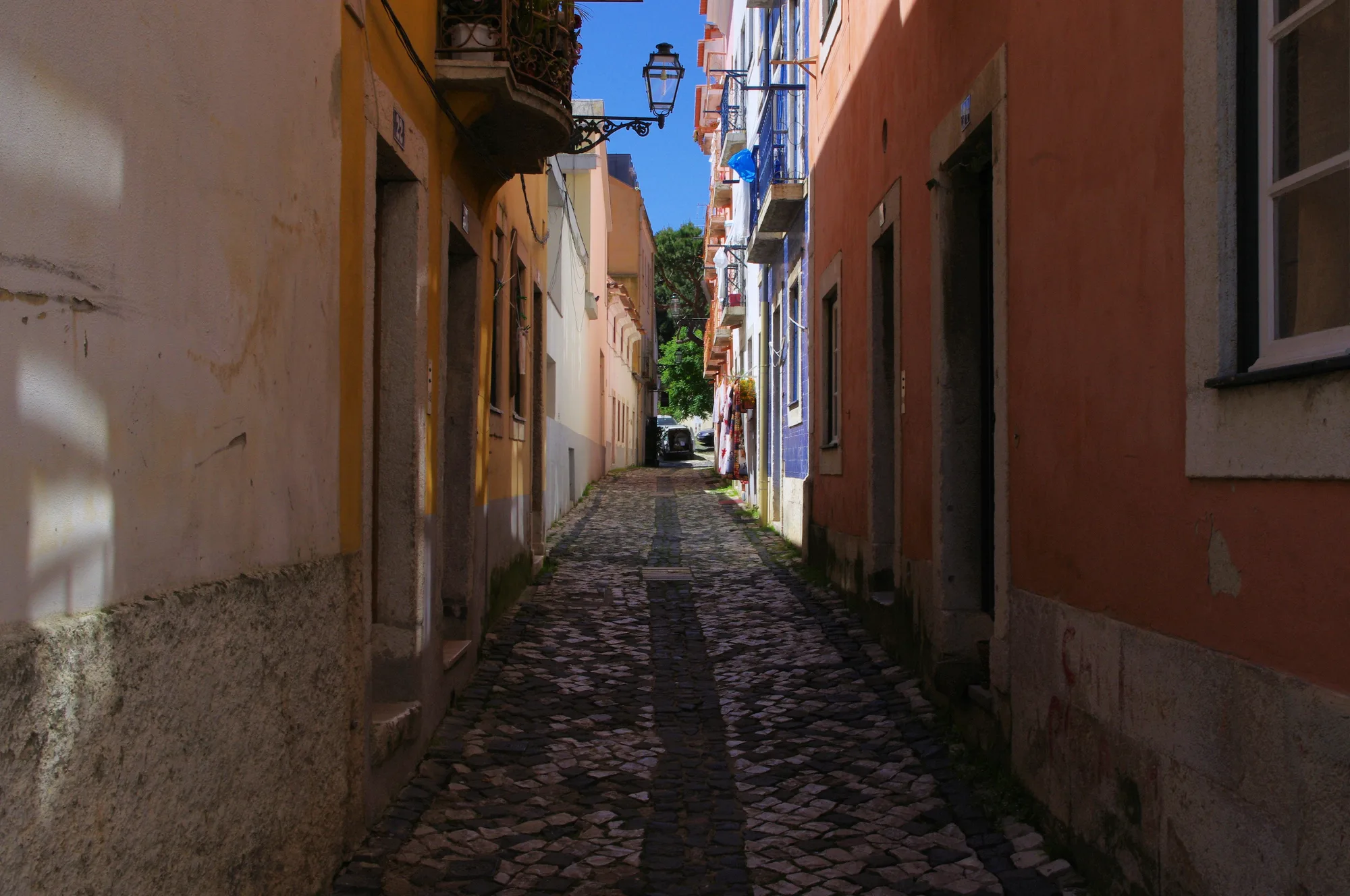
Autumn and winter: culture weeks and major gatherings
In autumn and early winter, Lisbon often hosts major conferences and cultural events that can affect accommodation and city energy — especially in business and venue areas.
If you’re visiting in the cooler season, you’ll likely have an easier time with lines and crowd density, and you can build more museum and café time into your days.
- Plan ahead for accommodation if your dates overlap a major event week.
- Use winter to slow down: long lunches, museums, calm wandering.

Winter highlight: Christmas and New Year
Lisbon’s cold-season calendar is quieter than its summer one, but the holidays bring their own atmosphere. Through December the city dresses up with lights and the pastelarias fill with seasonal sweets — bolo rei, rabanadas, filhós — and the season is more about long, warm meals than open-air markets. New Year’s Eve is the winter peak: a free riverfront concert and fireworks over the Tagus have traditionally centred on the Praça do Comércio waterfront, drawing a big crowd and shifting transport into a late-night, extended-hours mode (the city and operators confirm the format each year).
If your trip lands over the holidays, plan for two things: schedules and demand. Many museums and monuments close on 25 December and 1 January (and several also close on Mondays year-round), and accommodation can be pricier and tighter across the period. The durable advice is to book earlier for fixed dates and keep one indoor anchor ready for each day.
- December is about lights and long meals more than open-air markets.
- New Year’s Eve: riverfront fireworks at Praça do Comércio, extended transport (verify each year).
- Expect some holiday-date closures and higher accommodation demand — book earlier.

How events change where (and when) you book
The practical reason to track Lisbon’s calendar isn’t just FOMO — it’s logistics. Big weeks (June’s Santo António, summer music festivals, the October marathon, November’s conference season) lift accommodation demand and prices and can change crowd density and transport patterns in specific districts, whether or not you attend. Knowing what’s on lets you decide deliberately: lean in for the atmosphere, or step to a calmer base and quieter dates.
Two simple rules cover most situations. First, if your dates are fixed and overlap a major event, book accommodation earlier and expect to pay more. Second, match your base to the trip you want — a lively, central spot if you’re chasing the energy, a quieter neighbourhood with good transport if you want sleep. And because dates shift year to year, use this guide for the seasonal shape and confirm the specifics on official pages before you commit.
- Major weeks raise prices and tighten availability — book earlier for fixed dates.
- Match your base to the trip: lively-central for energy, quiet for sleep.
- Use this guide for timing; verify exact dates on official sources.


