
Quick take
- March is one of the best months for walking Lisbon: comfortable pace, good light, fewer peak-season crowds.
- It’s a great time for the classic trio: center + old hills + Belém.
- Plan one golden-hour moment daily — March light is part of the point.
- Day trips start to shine again in March (choose one: Sintra or Cascais).
- Keep one interior anchor per day if rain shows up (museums and markets save the rhythm).
- If you want a trip that feels both calm and alive, March is a strong pick.
What March in Lisbon feels like
March is Lisbon waking up. The city starts to feel lighter: longer days, more outdoor energy, and walking that feels comfortable again — without peak-summer density.
It’s an ideal month for first-time visitors because you can do the classics without constant line anxiety, and still have weather that supports long walks and viewpoints.
- Best for: walking routes, viewpoints, and a classic first-timer itinerary.
- Plan for: occasional rain and cooler evenings (layers matter).
Best things to do in March
March Lisbon is best when you commit to a few coherent days instead of bouncing between extremes. Do one central loop, one old-hills day, and one riverfront day — then choose one day trip only if you have 4+ days.
- Central: Baixa + Chiado + cafés (perfect first-day orientation).
- Old hills: Graça viewpoints → Alfama drift (start high, walk down).
- Riverfront: Belém monuments + riverside walking + MAAT area.
- Modern reset: Parque das Nações when you want easy movement and space.
 Things to doThe essential Lisbon checklist, grouped into walkable clusters.
 Walking routesScenic routes designed for hills and timing.Parque das NaçõesModern Lisbon for a low-effort afternoon.
A simple March 3–4 day itinerary (template)
March is ideal for the classic 3-day shape. Add a fourth day only if you want a day trip or a slower museum-and-gardens day.
- Day 1: Baixa/Chiado + sunset near the river.
- Day 2: Graça/Alfama drift + optional fado night.
- Day 3: Belém monuments + riverfront walk + museum/architecture stop.
- Day 4 (optional): Sintra OR Cascais OR a slow garden day.

What to pack for March
March is a layers month. Days can feel mild, evenings cooler, and rain can happen. Pack for comfort so you can stay outside when the light is good.
- Layers: light sweater + jacket for evenings.
- Shoes: comfortable and grippy (cobblestones).
- Rain: compact umbrella or shell, especially if you plan viewpoint walks.
March crowd strategy (easy wins)
March is calmer than peak season — but the most popular experiences still get busy. The fix is timing and simplicity: early starts, one big hill block per day, and golden hour planned like an activity.
- Go early for your biggest priority (castle, major monument, or iconic tram ride).
- Choose one viewpoint for sunset and arrive early enough to settle in.
- If rain hits: switch to museums and markets (still a great Lisbon day).
 Tram 28 timingHow to ride once without crowd stress.
 Rainy-day planA museum-and-market day that still feels like Lisbon.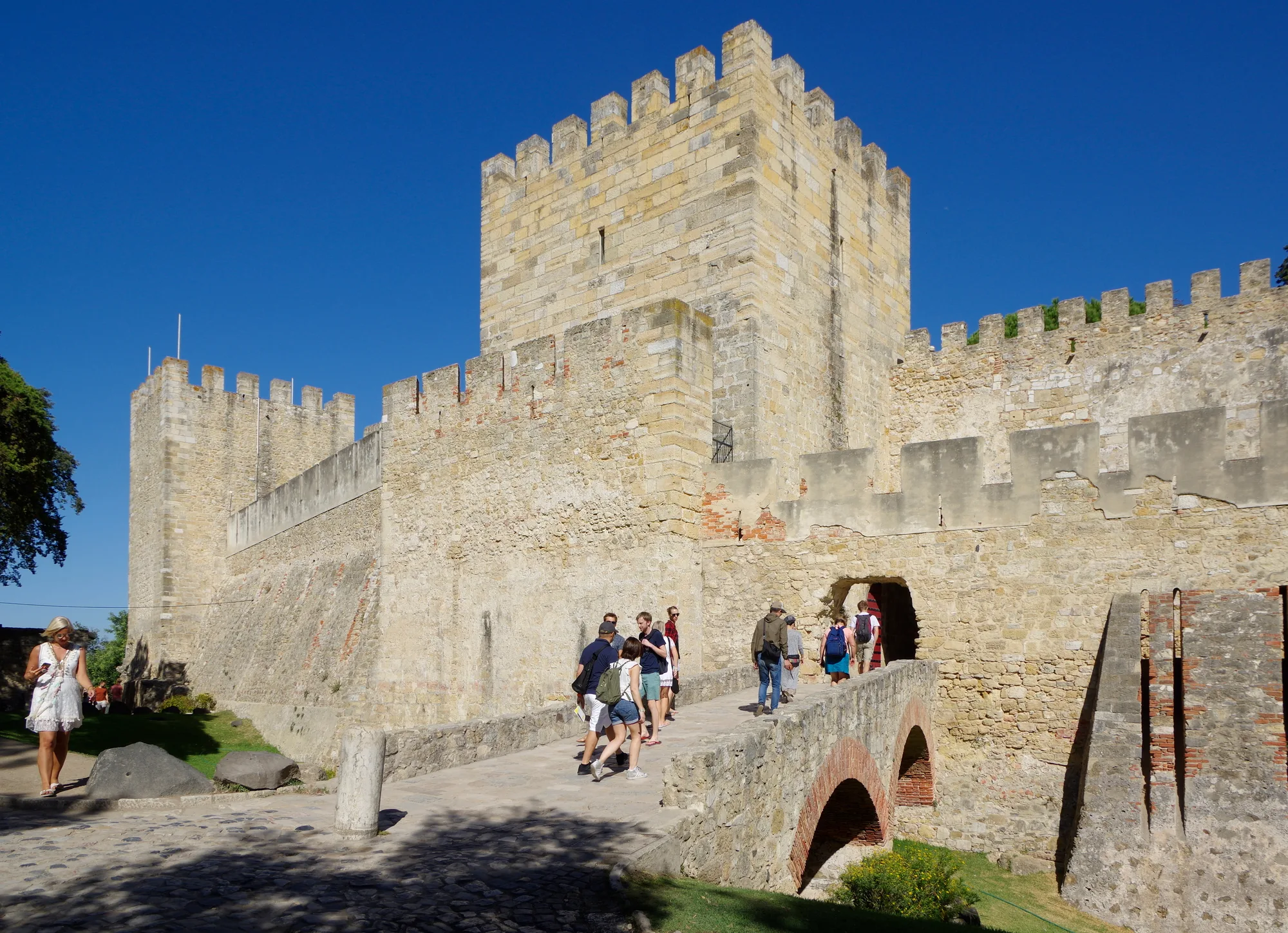
Weather, light, and crowds in March
March is Lisbon’s transition into spring, and it can feel like two months in one: cool, changeable, sometimes wet early on, then noticeably milder and brighter as the weeks pass. Pack for layers and bring something rain-friendly, but expect plenty of comfortable, walkable days — the kind where you can sit outside for coffee and linger at a viewpoint without baking or freezing.
Days are lengthening meaningfully now, which gives you longer, more usable afternoons than in winter and a later, gentler golden hour. Crowds are still on the lower side compared with peak season, so the big sights and day trips are manageable, though the most popular experiences (the castle, Tram 28, Sintra) draw queues year-round — early starts remain your friend. Note that the clocks typically shift to summer time in late March, which suddenly stretches the evenings; check the exact changeover so it doesn’t catch you out.
- Changeable early, milder and brighter by month’s end — pack layers + rain backup.
- Lengthening days mean longer afternoons and a later golden hour.
- Lower crowds than peak — but go early for the headline sights.
- Clocks usually move to summer time in late March (confirm the date).
What’s on in March
March is a quieter month on the events calendar, which keeps the focus on the city and its surroundings rather than crowds. Carnival sometimes falls in early March depending on the year (it can also land in February), bringing pockets of celebration around the region — a movable date worth confirming if it interests you. Otherwise, this is a month defined by good walking weather rather than headline festivals.
It’s also when day trips genuinely come back into their own: Sintra’s palaces and the coast at Cascais are pleasant again without the summer crush. As always, treat any specific dates for events or seasonal closures as things to verify on official sources close to your trip rather than fixed pins.
- Carnival can land in early March (or February) — a movable date; confirm it.
- Day-trip season returns: Sintra and Cascais without the summer crowds.
- A quiet calendar — the city and its surroundings are the draw.


