
Quick take
- Days 1–3 cover the classic core: Baixa/Chiado, Alfama/Graça, and Belém.
- Day 4 is for a day trip (Sintra or Cascais) — start early and keep it simple.
- Day 5 adds modern Lisbon (Parque das Nações or creative east) for contrast.
- Day 6 is a slow day: gardens, cafés, and one final sunset.
- Don’t stack hills every day — alternate heavy and light days.
- Keep nights calm: one intentional evening every two nights is plenty.
How to use this 6-day plan
Six days is the length where Lisbon stops being a sprint and starts being a real visit. You can cover the classic core without rushing, add two trips outside the city, taste the modern side, and still keep one slow day that belongs to you. The plan below is a frame, not a rulebook — the goal is a rhythm you’ll actually enjoy, not a checklist you’ll race.
The single most important idea is pacing the hills. Lisbon sits on a cluster of steep slopes above the Tagus, and stacking hill-heavy days back to back is the fastest way to burn out. This itinerary deliberately alternates heavy and light days: a climbing day is followed by a flatter one, a big day trip by a calm in-city day. Follow that rhythm and the city stays a pleasure rather than a workout.
It’s also built around the light. Lisbon’s golden hour is its best free attraction, so most days end at a viewpoint or on the riverfront rather than indoors. Anchor each day with one main thing (a neighbourhood, a monument, a trip), add a couple of light extras, and protect the evening for sunset and a slow dinner.
- Days 1–3: the classic core (Baixa/Chiado, Alfama/Graça, Belém).
- Days 4–5: one day trip + one modern-contrast day.
- Day 6: a slow, gardens-and-cafés day to wind down.
- Alternate hill-heavy and hill-light days; end days at golden hour.

Where to base yourself for 6 days
For a six-day trip, a single, well-chosen base beats moving around. You want somewhere central enough that day starts are easy and evenings end with a short walk home, but calm enough to sleep well after busy days. The classic sweet spots are the flatter central areas (the Baixa grid, the Avenida da Liberdade area) and the calmer-but-central neighbourhoods like Chiado’s quieter streets, Príncipe Real, or Estrela.
Think about the hills before you book. An Alfama or Graça address is gorgeous and atmospheric, but it can mean a steep climb home every night — wonderful in the morning, less so after dinner. If you love the old-Lisbon feel, book it with that climb in mind (and a taxi budget for late nights); if you’d rather keep things easy, choose flatter ground and visit the hills by day.
Wherever you land, you only have to get it right once. A good base for six days quietly removes friction from every single day of the trip.
- Central + flat: the Baixa grid and the Avenida area are easy on tired legs.
- Calm + central: quieter Chiado, Príncipe Real, or Estrela for better sleep.
- Atmospheric but steep: Alfama/Graça — book with the nightly climb in mind.
- One base for the whole trip beats hopping between neighbourhoods.

Day 1: Baixa + Chiado (orientation day)
Start with Lisbon’s connective tissue. Baixa and Chiado are the easiest areas to learn the city’s rhythm: plazas, cafés, and gentle walking.
Historically, this is the heart of the city the Marquês de Pombal rebuilt on a clean grid after the catastrophic 1755 earthquake — which is exactly why the downtown feels so flat and orderly compared with the tangled hills around it. It makes a perfect, low-effort first day to get your bearings.
- Cafés, bookstores, and a slow loop between Baixa and Chiado.
- Sunset: a central viewpoint or riverfront walk.
- Dinner: keep it close and calm.
Day 2: Alfama + Graça (old Lisbon day)
Do your hills early. Start high, enjoy the views, then drift downward through Alfama’s lanes. Save energy for a meaningful night: fado or a special dinner.
- Morning: viewpoints and hill wandering.
- Afternoon: slow lanes, cafés, and texture.
- Night: fado (optional) or an intentional dinner.

Day 3: Belém riverfront
Belém is a dedicated half-day or full day. Go for monuments and museums, then stay for the riverfront light. It’s one of the best ‘space’ days in Lisbon.
- Monument cluster + riverfront walk.
- Optional modern add-on: contemporary architecture nearby.
- Early night: save energy for the longer trip days.
 Belém guideWhat to do, how to sequence it, and when to go.
 Museums shortlistA curated approach to culture without museum overload.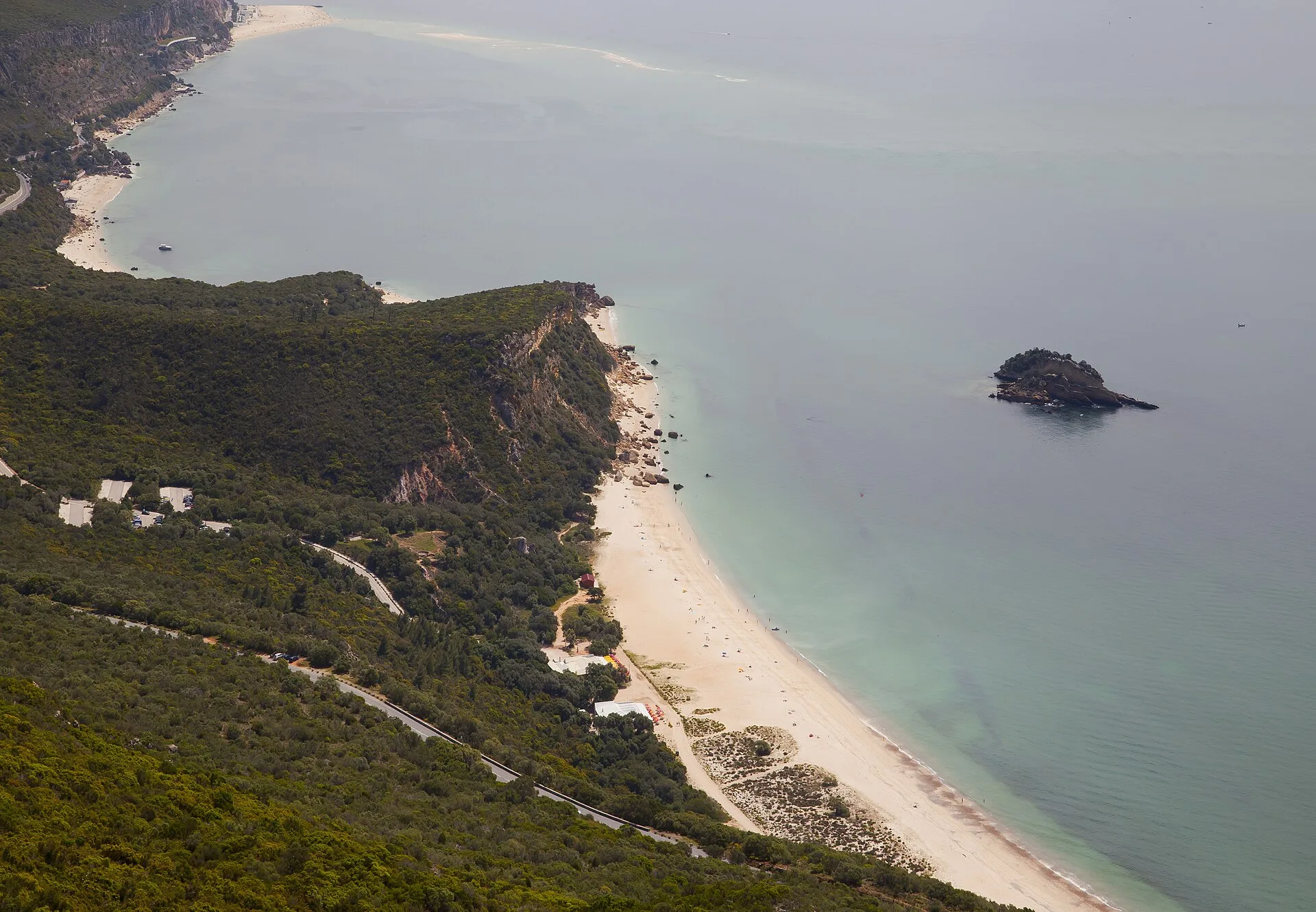
Day 4: Day trip (Sintra or Cascais)
Choose one day trip based on mood: Sintra for dramatic scenery and palaces; Cascais for coast and calm. Start early and treat it as the day.
- Sintra: fairytale atmosphere and classic ‘wow’ moments.
- Cascais: easy logistics and relaxed seaside energy.
Day 5: Modern contrast day (choose one)
After hills and monuments, do a contrast day. Modern Lisbon is spacious and easy on your legs — and it makes the historic center feel fresh again the next day.
- Option A: Parque das Nações for modern riverfront promenades.
- Option B: Beato/Marvila for creative warehouses and tastings.

Day 6: Slow garden Lisbon + final sunset
End the trip softly: gardens, cafés, and one last viewpoint. The final day should feel like you’re already nostalgic — not exhausted.
- Príncipe Real / Estrela pace: cafés, gardens, and slow wandering.
- One final dessert stop, one final sunset.

Getting around across the week
Over six days you’ll lean on a simple combination: walk the neighbourhoods, ride between them, and take the train for day trips. The metro is your backbone for crossing the city and skipping long climbs; it runs roughly 06:30–01:00 (verify current hours), which covers nearly everything except very late nights. Buses, trams, the historic funiculars (Glória, Bica, Lavra), and the Santa Justa lift fill in the gaps and handle specific hills.
The famous Tram 28 is best treated as a short scenic ride rather than dependable transport — it gets crowded and pickpocket-prone in peak hours, so ride it early or skip it and walk the same streets. For the day trips, national rail (CP) runs to Sintra and Cascais; the ferries (Transtejo/Soflusa) cross the Tagus if you fancy a river outing. If you’ll use transit a lot, a reusable transit card saves fiddling with tickets all week.
A small daily habit keeps things calm: plan your last ride home before a late night out, especially if your base is up a hill. Lisbon is easy when you make the logistics decisions early.
- Metro ~06:30–01:00 (verify) is the backbone for cross-city jumps.
- Trams, funiculars, and the Santa Justa lift handle specific hills.
- Tram 28: ride early as a scenic trip, or walk the route instead.
- Day trips run by train (CP); ferries cross the Tagus for a river day.
- A reusable transit card removes ticket friction across the week.

Eating well across six days (a food rhythm)
Six days is enough to actually taste Lisbon rather than just refuel, so give your meals a rhythm instead of leaving them to chance. The reliable pattern: make lunch your easy, local meal — a tasca prato do dia (dish of the day) is great value and very Portuguese — and save a couple of dinners for something more intentional, like petiscos (shareable small plates), a seafood night, or a wine-bar evening.
Build in the small rituals too. A pastel de nata with a strong espresso is the quintessential Lisbon pause; a tiny glass of ginjinha is a fun way to end a night. Belém day is the natural moment for a pastry stop, and a market lunch makes a good light day. Spread the ‘special’ meals out so they stay special — every night being a big night is exhausting, not romantic.
- Lunch local and easy (tasca prato do dia); reserve dinners for intentional meals.
- Spread out the ‘special’ dinners — petiscos, seafood, or a wine night.
- Work in rituals: a nata + espresso pause, a ginjinha to end an evening.
- A market lunch makes a relaxed, lighter day.
 Food & drinkHow to eat across a longer trip without overdoing it.PetiscosShareable small plates — a perfect relaxed dinner format.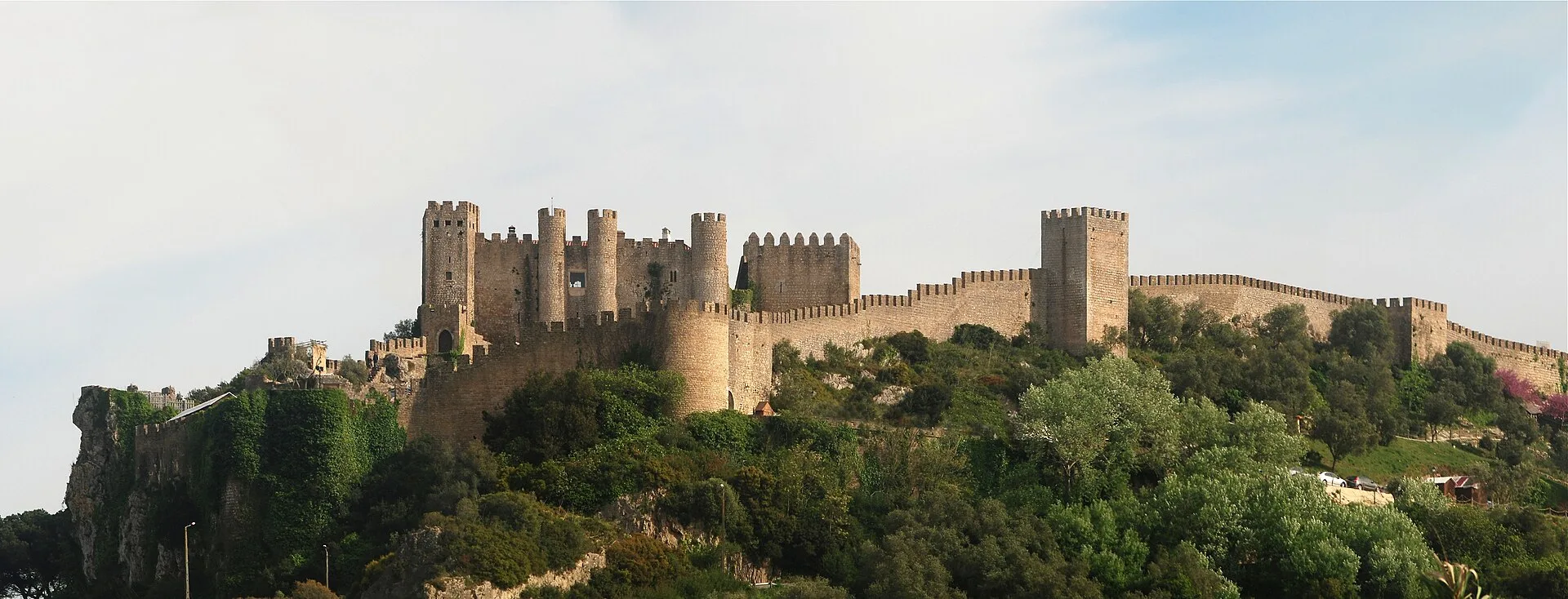
Tickets, passes, and avoiding queues
On a six-day trip you’ll visit a handful of paid sights, so a little planning prevents wasted time. The big monuments (Jerónimos Monastery and Belém Tower in Belém, the castle on its hill) draw queues in peak season; going early, late, or with a pre-booked timed entry is the difference between a smooth visit and a long wait in the heat. Opening days and hours change, and some sites close one day a week, so it’s worth confirming on the official sites.
A sightseeing pass like the Lisboa Card can be worth it if you cluster several paid interiors and transit into a structured day — Belém is the classic ‘card day’ — but it’s less useful if your trip is mostly walking, viewpoints, and cafés. Note too that some museums rotate through renovation closures (the National Tile Museum and the Gulbenkian’s Founder’s Collection have both had recent works, with reopenings expected in 2026 — check official sites), so verify before you build a day around a specific interior.
- Pre-book or go early for Jerónimos, Belém Tower, and the castle in peak season.
- Some sights close one day a week, so opening days and hours are worth confirming officially.
- A Lisboa Card pays off on a clustered ‘card day’ (Belém), less so on slow days.
- Check renovation status (Tile Museum, Gulbenkian Founder’s Collection) before relying on a specific interior.
6-day Lisbon FAQ
Quick answers to the questions that come up most when planning a six-day Lisbon trip.
- Is 6 days too long for Lisbon? No — it’s ideal. The day trips and a slow day keep it from feeling stretched.
- How many day trips should I do? One or two. Sintra is the big one; pair it with a calmer coast or small-town day.
- Do I need a car? No. Trains, ferries, and city transit cover everything in this plan.
- Can I see Lisbon and Sintra and the coast? Yes, comfortably — that’s exactly what 6 days allows.
- What’s the biggest mistake? Stacking hill-heavy days and over-scheduling. Alternate heavy and light days.
Swaps and alternatives (make the plan yours)
The six-day skeleton is deliberately flexible. The order and the contents can shift to match your interests, your energy, and the weather — only the rhythm (alternate heavy and light days, end at golden hour) needs to hold. Below are the most common, sensible swaps.
The day trip is the biggest lever. Sintra is the headline, but if you’ve seen it before or prefer calm, swap in Cascais for the coast, Óbidos for a walled-town wander, or Setúbal/Sesimbra for sea and seafood. The modern-contrast day is the second lever: Parque das Nações is the easy, spacious option, while Beato and Marvila offer a creative, warehouse-district vibe. And if rain arrives, pull the indoor pieces forward — tiles, a museum, markets, and long café lunches keep a wet day lovely.
- Day trip swap: Sintra → Cascais (coast), Óbidos (walled town), or Setúbal/Sesimbra (sea + seafood).
- Modern day swap: Parque das Nações (easy, spacious) → Beato/Marvila (creative warehouses).
- Seen the classics before? Trade a core day for hidden gems, street art, or a market crawl.
- Rainy day? Pull indoor pieces forward — tiles, a museum, markets, café lunches.
- Travelling as a couple? Lean the slow day into a romantic one (fado, wine, sunset).
Best time of year and crowd strategy
Six days gives you enough exposure that the season really shapes the trip. Late spring and early autumn are the comfortable sweet spots — warm but not punishing, with long golden evenings and slightly thinner crowds than the deep summer peak. Summer is hottest and busiest, which makes the hills harder and the famous sights more packed; winter is quiet and cooler (and wetter), with its own cosy, uncrowded charm.
Whatever the season, a simple crowd strategy pays off over six days: do the big-draw sights and viewpoints early or late, save the middle of the day for flatter neighbourhoods and long lunches, and start day trips early to beat the rush (Sintra especially). Confirm opening days and hours on official sites as you go — and remember the heat: in summer, the hills are far kinder before mid-morning and after the late afternoon.
- Late spring / early autumn: warm, long evenings, calmer crowds — the easiest windows.
- Summer: hottest and busiest; do hills and big sights early/late, rest midday.
- Winter: quiet, cooler, wetter, but cosy and uncrowded.
- Start day trips early (Sintra especially) to beat the crowds.
Arriving and getting started
A six-day trip starts best with an easy first leg from the airport. Lisbon’s airport is close to the city and the metro reaches it directly (running roughly 06:30–01:00; verify current hours) — the cheapest option, though you’ll handle bags and any transfers. A taxi or ride-share is the low-stress alternative, particularly if you land late, travel heavy, or your base is up a hill.
Don’t over-program the arrival day. With six days ahead, the smartest first move is a gentle orientation loop near your base, a relaxed dinner, and an early night — then begin the real itinerary fresh the next morning. Save your energy for the hills; the trip is a marathon paced as a series of comfortable strolls, not a sprint from the gate.
- Metro reaches the airport directly (~06:30–01:00; verify) — cheapest, but you carry bags.
- Taxi/ride-share is easiest when arriving late, heavy, or heading uphill.
- Keep the arrival day light: orientation loop, easy dinner, early night.

