
Quick take
- Ajuda is a calm hillside above Belém — a great escape from the center’s intensity.
- It pairs perfectly with a Belém monuments day (and adds a quieter local vibe).
- Expect residential streets and a slower, more ‘lived-in’ Lisbon rhythm.
- It’s a good choice for couples who want romance without nightlife noise.
- Plan it as Belém + Ajuda, not Ajuda alone.
- Best for: a long walk, a few cultural stops, and a restful afternoon.
Ajuda vibe (and why it’s underrated)
Ajuda doesn’t compete with Alfama or Chiado for postcard drama — and that’s the point. It’s calmer, more residential, and perfect when you want Lisbon to feel like a neighborhood rather than an attraction.
If you’re building a relaxed trip, Ajuda is a strong move on a day when your legs need a break from the steepest lanes.
How to pair Ajuda with Belém (the easy plan)
Ajuda shines when it’s an extension of Belém. Do the monument cluster earlier, then shift into Ajuda for a quieter afternoon and a slower pace.
This structure is especially good if you’re traveling as a couple: it keeps the day scenic and calm without over-stacking sights.
- Morning: Belém monuments + riverfront walk.
- Afternoon: head up toward Ajuda for quieter streets and a slower vibe.
- Evening: return toward the river for light and dinner, or head back to your base.
 Sunset guideBelém is one of the best ‘big sky’ sunset areas in Lisbon.
 RestaurantsKeep dinner close to your last stop to avoid cross-city commutes.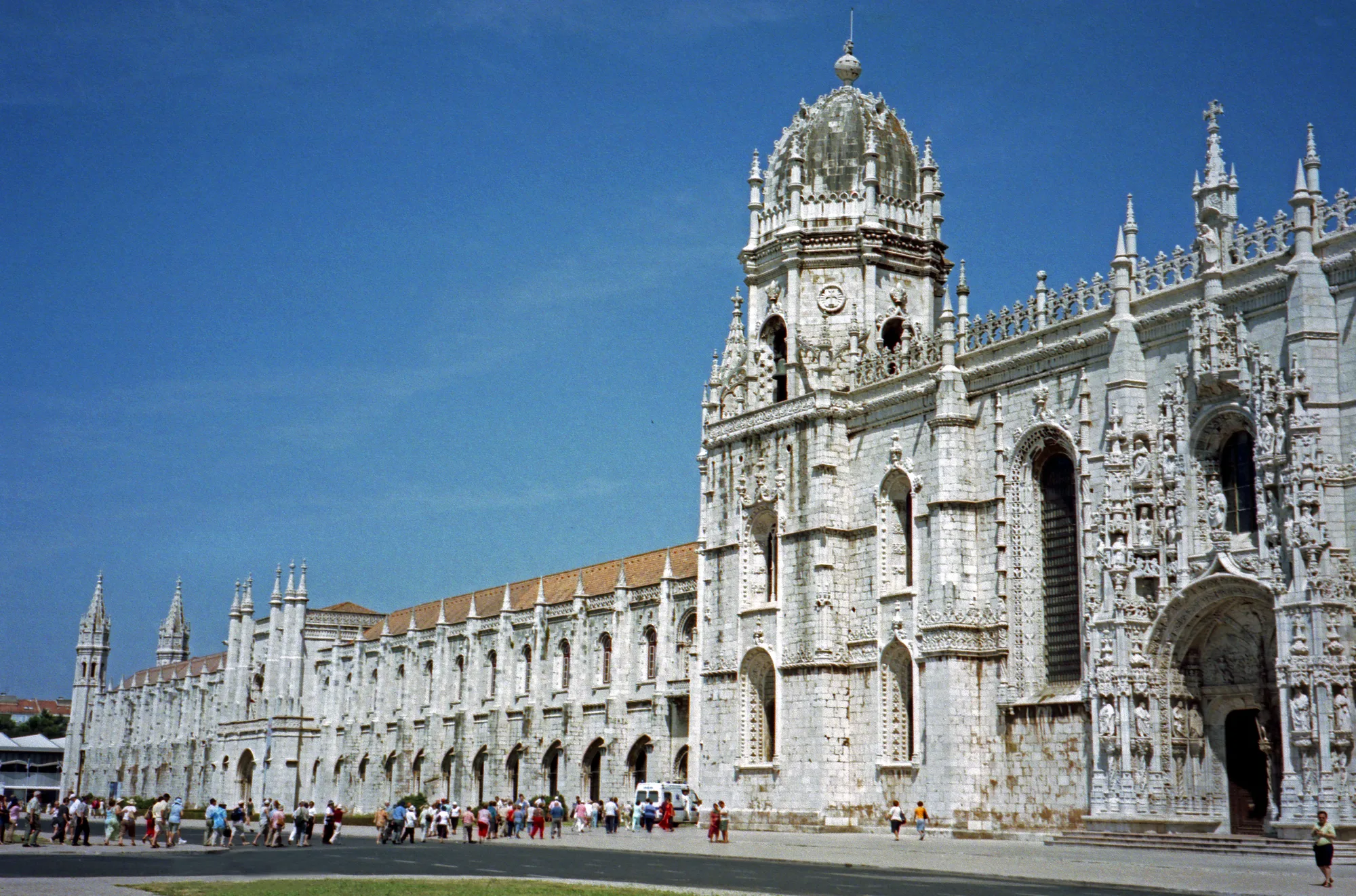
Ajuda for couples (quiet romance)
Ajuda is a great couple neighborhood when you want a night that feels soft: less noise, less crowd pressure, more space to walk and talk.
- Best pacing: one cultural stop + one café + one slow walk.
- Keep your evening simple: a good dinner and an early night.


What Ajuda actually holds
Ajuda sits on the hill rising behind Belém, in western Lisbon, and it has more substance than its quiet reputation suggests. Its centrepiece is the Ajuda National Palace (Palácio Nacional da Ajuda), a grand nineteenth-century royal palace that served as a residence of the Portuguese royal family and is open to visitors as a museum of richly furnished state rooms — a very different experience from the monastery-and-tower circuit down by the river. Nearby, the historic Ajuda Botanical Garden, one of Portugal’s oldest, offers terraced grounds and views.
Around these anchors, Ajuda is a genuine residential neighbourhood with its own everyday life: a couple of churches, local cafés and bakeries, and steep, ordinary streets where you’re among Lisboetas rather than tour groups. It’s also worth knowing that one of the city’s landmark new river crossings is associated with this western edge of town, underlining how Ajuda bridges the monumental Belém waterfront and the lived-in city above it. As ever, confirm palace and garden opening hours and any ticketing before you plan around them.
- Ajuda National Palace: a 19th-century royal residence open as a museum.
- The historic Ajuda Botanical Garden: terraced grounds and views.
- A real residential hill with churches, local cafés and steep ordinary streets.
- Check palace and garden hours and tickets before relying on them.
 Belém guideThe riverside monument cluster directly below Ajuda’s hill.
 MuseumsWhere the palace fits in a sensible museum plan.
Getting there from Belém and the centre
Ajuda is part of the western, Belém side of Lisbon, reached most easily as a continuation of a Belém day. From the riverfront you climb the hill — by local bus, by taxi or ride-hail, or on foot if your legs are willing, since it is a real ascent. From the city centre, the simplest approaches are the buses and trams that run west along the river to Belém, then up; the riverside is also served by the Cascais train line if you’re coming from further out. There’s no Metro here, so build in a little extra time.
The natural rhythm is monuments first, hill second. Do Belém’s big sights — the monastery, the tower, the riverfront — in the cooler morning, then move up to Ajuda for a calmer, less crowded afternoon: a palace visit, a garden, a quiet café, a slow wander. It’s a structure that suits couples and anyone who finds the central crowds tiring, giving you one of Lisbon’s grandest interiors paired with a genuinely peaceful neighbourhood, all in a single, well-paced day.
- Reach it as an extension of Belém — bus, tram, taxi/ride-hail, then uphill.
- No Metro; the Cascais train line serves the riverside if coming from afar.
- Best rhythm: Belém monuments in the morning, Ajuda’s calm in the afternoon.

Who Ajuda suits and how much time to give it
Ajuda is best understood as a half-day add-on rather than a full destination, and it suits a particular traveller: someone who is already spending time in Belém and wants either a grand interior to balance the open-air monuments, or simply a quieter, more local afternoon away from the riverfront crowds. It’s a strong choice for couples wanting calm romance, for travellers on a longer trip with time for the city’s secondary layers, and for anyone who finds Belém’s peak-season queues and tour groups wearing. It’s less rewarding as a stand-alone trip for a first, time-pressed visit.
On timing, the palace and botanical garden are the things that need real planning, since both have set hours and the palace deserves an unhurried visit — allow a couple of hours if you go in. Beyond those, Ajuda is for slow walking: leafy residential streets, a church or two, the occasional sudden view down to the river. Pair it with Belém in the morning and Ajuda in the afternoon and you have a single, well-balanced western Lisbon day. As always, confirm current opening hours and any ticket details for the palace and garden before you build the day around them.
One practical note on energy: Belém’s monuments and Ajuda’s palace are both substantial, so resist stacking too much into the day. The whole appeal of adding Ajuda is to slow down, not to cram in another grand interior on tired legs. If you’re short on time or the queues at Belém have eaten the morning, it’s perfectly fine to skip the palace interior and simply walk Ajuda’s quiet streets for the change of mood — the neighbourhood works as a calm coda even without a ticketed visit, and you can always save the palace for a return trip.
- Best as a half-day add-on to Belém, not a stand-alone first-trip destination.
- Suits couples, longer stays, and anyone tired of Belém’s peak-season crowds.
- Allow a couple of hours for the palace; check hours and tickets in advance.
- Otherwise it’s for slow walking — leafy streets, churches, sudden river views.


