
Quick take
- Build daily rituals: golden-hour viewpoints, slow dinners, and one beautiful walk.
- Choose calm neighborhoods for your base — your nights matter most on a honeymoon.
- Plan fewer ‘musts’ and more moments: Lisbon’s romance is the pacing.
- Add one day trip (Sintra or the coast) to make the week feel expansive.
- Leave one afternoon unplanned — it often becomes the favorite memory.
- Photograph the trip at sunrise or sunset; Lisbon light makes it easy.
The honeymoon pacing strategy (Lisbon-style)
A Lisbon honeymoon works when you plan for feeling, not coverage. The city is steep, sensory, and romantic — but only if you leave breathing room.
The simplest structure is: one central day, one old-hills day, one riverfront day, one day trip day, and one slow day that belongs to you.
- One golden-hour plan per day (viewpoint or riverfront).
- One intentional dinner every two nights (not every night).
- One ‘slow morning’ each day: coffee, pastry, and no rush.

A romantic 5-day Lisbon honeymoon plan
This plan is designed to feel cinematic without being exhausting. It keeps your movement efficient and saves your energy for the moments that matter.
- Day 1: Baixa/Chiado → sunset terrace → relaxed dinner.
- Day 2: Alfama/Graça → viewpoints → fado night.
- Day 3: Belém riverfront → modern architecture → early night.
- Day 4: Day trip (Sintra for fairytale, Cascais for calm coast).
- Day 5: Slow day (Príncipe Real / Estrela) → dessert + night walk.
Honeymoon ‘splurge moments’ that feel worth it
You don’t need constant luxury — you need a few intentional moments. Choose two or three splurges and make everything else simple.
- One unforgettable dinner (book ahead if it matters).
- One wine-focused night (tastings + petiscos).
- One day trip with a ‘wow’ stop (Sintra scenery or a dramatic coastline).
- One photo morning at sunrise or a golden-hour viewpoint.
 Wine barsHow to build a romantic tasting night.Sunset guideLisbon’s best romance ritual is free — just show up.
If you have 6–7 days (the honeymoon upgrade)
If your honeymoon is a full week, add a second ‘contrast day’: either a coast day, a modern-east day (Beato/Marvila), or a slow garden day. That’s how Lisbon stays fresh.
- Add a coast day: beaches + recovery pacing.
- Add a modern-east day: creative warehouses and tastings.
- Add a slow garden day: Príncipe Real / Estrela, cafés, and no urgency.

A fado night (the most romantic Lisbon evening)
If there’s one cultural ritual to build into a honeymoon, it’s a night of fado. Fado is Portugal’s melancholic, deeply expressive song tradition — recognised by UNESCO as intangible cultural heritage — and it was born in the old quarters of Alfama and Mouraria. Hearing it live, in a small room, is one of those experiences that stays with a couple long after the trip.
The format matters. The most atmospheric fado happens in intimate venues where the room goes quiet for each song (silence is part of the etiquette). Many casas de fado pair the music with dinner, which makes for a natural, romantic evening: eat slowly, listen, and let the night unfold. Quality and prices vary widely, and the touristy versions exist, so it’s worth choosing your venue with a little care rather than walking into the first place with a sign.
Practical romance tip: a fado night pairs perfectly with an Alfama or Mouraria evening. Do your hill-wandering by day, then come back after dark when the lanes are lit and the music starts.
- Fado is intimate — expect the room to fall silent during songs.
- Many venues combine dinner and music; reserve ahead for the better rooms.
- Alfama and Mouraria are the historic heartland of the tradition.
 Fado guideHow to choose a fado night and what the etiquette is.Alfama guideThe old district where fado was born — magic after dark.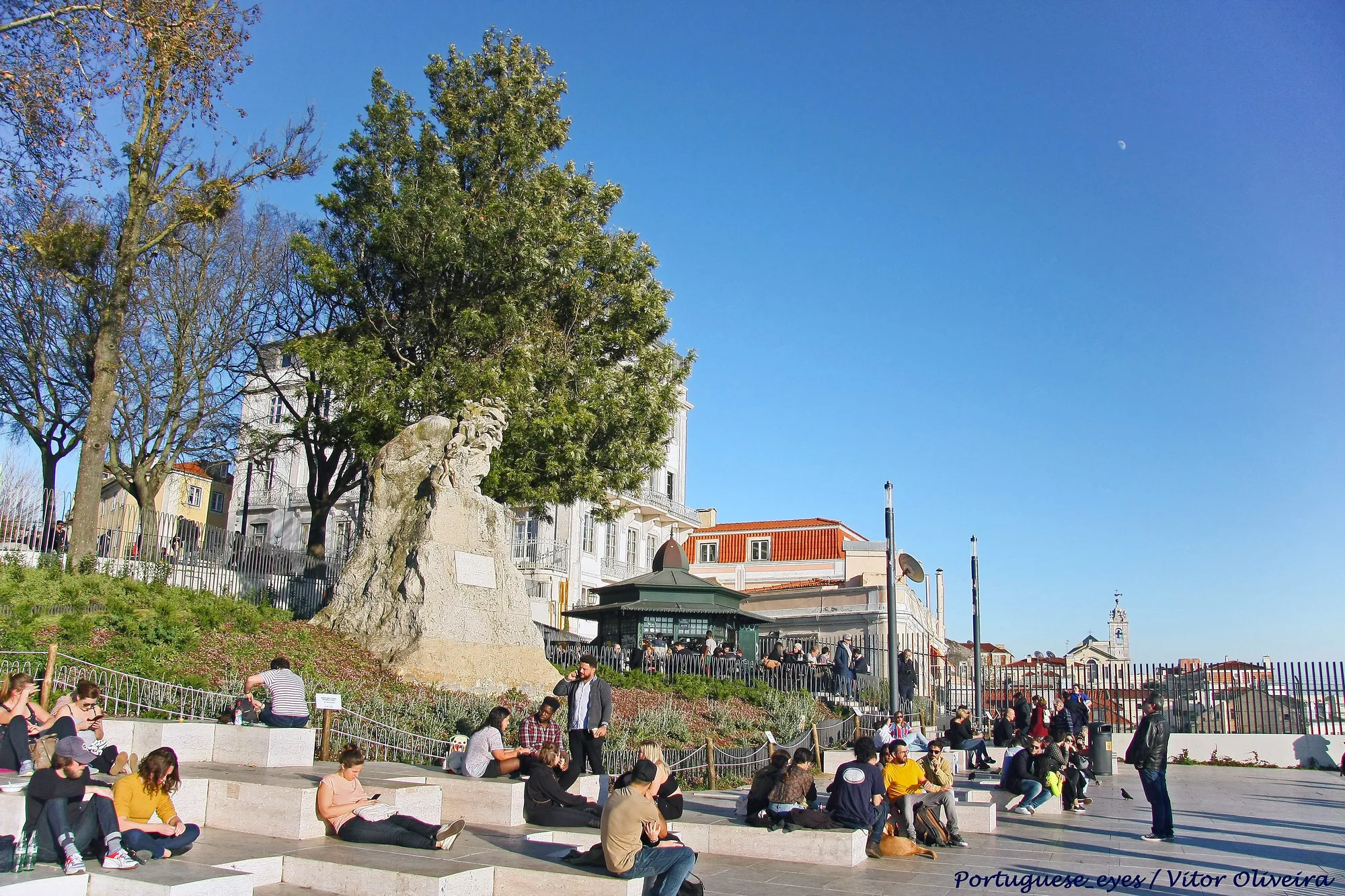
Choosing your one day trip (honeymoon edition)
A honeymoon week is the perfect length to add one day trip — but only one is enough. The classic choice is Sintra, a UNESCO-listed landscape of palaces and forested hills that feels genuinely fairytale; it’s the most “wow” option, but also the most crowded and the most planning-heavy, so start early and choose just two or three stops.
If you’d rather trade drama for calm, the coast is the alternative. Cascais is the easiest seaside escape — an easy train ride, a relaxed promenade, and beach air — which makes it a gentler, more restful honeymoon day. There’s no wrong answer; pick the day that matches whether you want awe or rest.
Whichever you choose, treat it as the whole day, and don’t schedule a big Lisbon plan the morning after. The honeymoon rhythm is contrast: one big day, then a soft one.
- Sintra: palaces, forest, big scenery — start early, pick few stops, expect crowds.
- Cascais: easy train, calm coast, restful pacing — the gentler option.
- One day trip per week is plenty; protect the recovery day after it.
Keep it from feeling like a checklist
The most common honeymoon mistake in any city is over-planning — and Lisbon punishes it more than most because of the hills and the heat. The cure is to plan less and protect the small rituals: a morning coffee at the same café, a sunset you return to twice, a dessert stop you both look forward to.
Leave one genuinely unplanned afternoon. Couples consistently say the unscheduled hours — the accidental square, the long lunch, the bench with a view — become the trip’s favourite memory. Lisbon rewards slowness; a honeymoon is the time to lean all the way into it.
- Plan one ‘north star’ per day, then leave room around it.
- Repeat a ritual on purpose — a café, a viewpoint, a sweet — so it becomes ‘yours’.
- Protect one unplanned afternoon; it’s usually the one you’ll remember.

When to go (and how the season shapes the romance)
Lisbon is a year-round honeymoon city, but the season changes the texture of the trip. Late spring and early autumn are the sweet spots for many couples: warm but not punishing, long golden evenings, and slightly easier crowds than the deep summer peak. Summer brings the hottest weather and the busiest streets, which can make the hills harder and the popular spots more packed.
Winter is quieter and cooler — wetter, too — but it has its own romance: empty miradouros, cosy dinners, and softer light. There’s no single best month; the right one depends on whether you want long beach-leaning days or quiet, atmospheric ones. Whatever you choose, build the daily rhythm around the light, since golden hour is the trip’s recurring romantic anchor.
- Late spring / early autumn: warm, long evenings, slightly calmer — a popular honeymoon window.
- Summer: hottest and busiest; plan hills and big sights for early/late in the day.
- Winter: quiet and cooler (and wetter), but atmospheric and uncrowded.


