
Quick take
- Alfama is about atmosphere — the best meals here are slow, not optimized.
- The easiest Alfama plan: one long lunch or one intentional dinner (plus a viewpoint).
- Avoid tourist-trap menus by choosing calmer side streets and eating earlier/later than peak times.
- If you want fado, plan one good night — don’t chase multiple fado dinners.
- Start high (Graça), drift down to Alfama, then eat near where you end up.
- Wear grippy shoes: Alfama is cobblestones, stairs, and slippery stone after rain.
Alfama food vibe (what makes it different)
Alfama is Lisbon’s oldest neighborhood — and it eats like a neighborhood. Meals here feel best when they’re part of an evening plan: wander lanes, catch golden hour, then sit down and stay a while.
It’s also a high-traffic area. The key to eating well is choosing pace and timing that keeps the experience calm.
- Best for: atmosphere dinners, simple Portuguese comfort food, and a fado-night plan.
- Not ideal for: rushing between “top 10” restaurants (Alfama is better slow).

What to order in Alfama (easy prompts that work)
Ordering in Alfama is easier when it’s simple. Ask what’s good today, choose one local dish, and add something small to start. That’s the rhythm that fits the neighborhood.
If there’s a language gap, pointing works. Lisbon food culture rewards straightforward choices.
- Start: soup + bread + something small to share.
- Main: one Portuguese classic dish (keep it simple and local).
- Finish: dessert or a night walk — not another round of ordering.

Lunch vs dinner in Alfama (which is better?)
Lunch in Alfama can be calmer, cheaper, and easier to do without reservations. Dinner is where Alfama’s atmosphere really shines — especially if you combine it with sunset and a slow walk.
Choose based on your energy. If you’ve already done a hill-heavy day, dinner can feel better when it’s close to your last stop.
- Best lunch plan: wander → long lunch → drift downhill → café reset.
- Best dinner plan: viewpoint at golden hour → dinner → short walk → sleep.
 Sunset guideThe easiest way to make Alfama dinner feel special.Walking routesRoutes that end near dinner without punishing returns.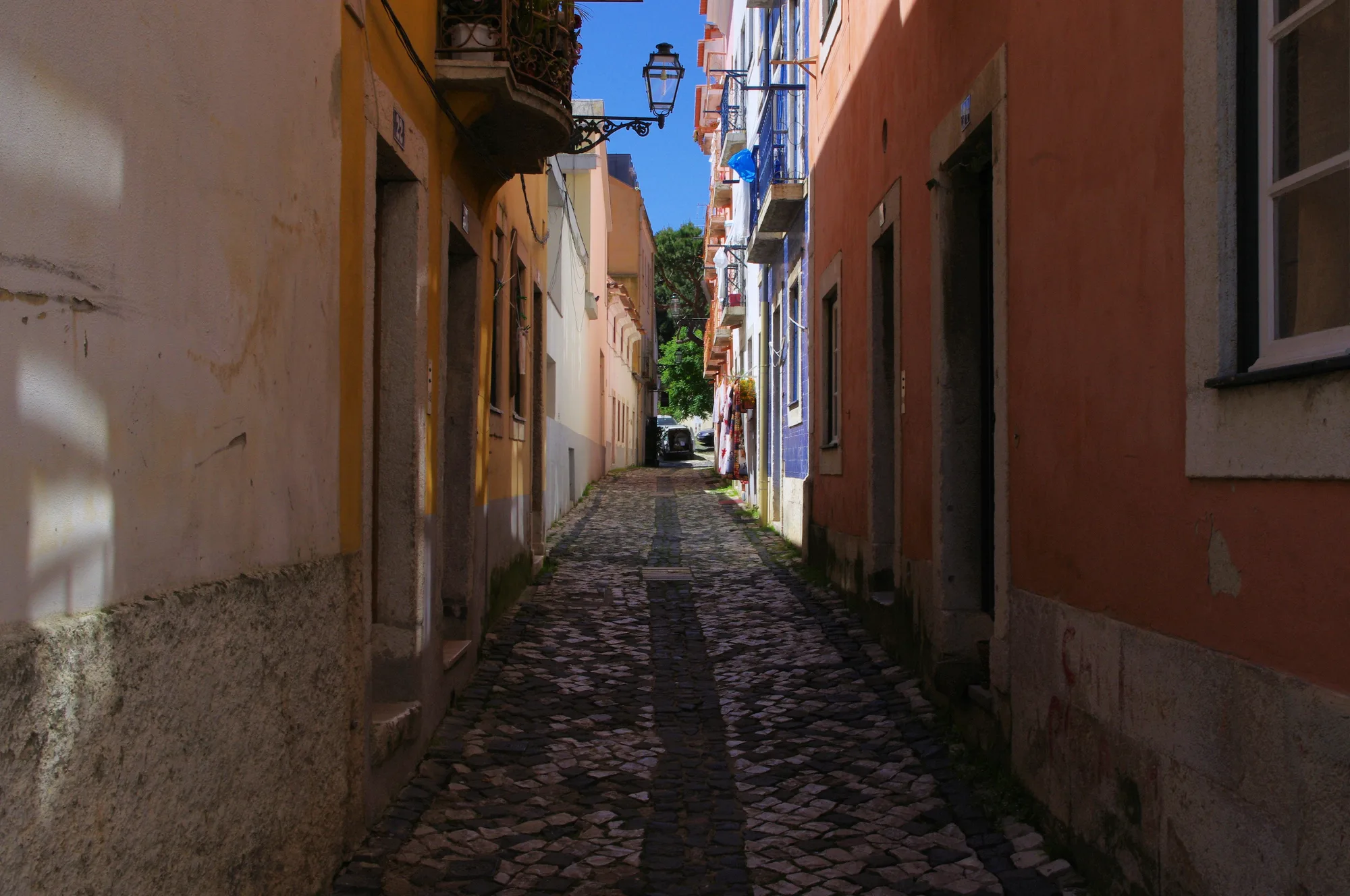
Fado dinners in Alfama (how to do it without regrets)
Fado can be one of the most memorable Lisbon nights — but it’s easy to do it the stressful way: late bookings, tourist menus, and chasing multiple venues.
The better plan is choosing one night, keeping dinner simple, and prioritizing the experience over the menu complexity.
- Plan one fado night, not three.
- Arrive early enough to settle in (rushing kills the mood).
- Keep the rest of the day lighter so the night feels like a reward.
How to avoid tourist-trap menus (quick checklist)
Alfama is popular, which means it attracts “easy yes” restaurants. Avoiding disappointment is mostly about a few small habits: timing, location, and staying calm when something feels off.
- Avoid: aggressive menu-pitching and photos-only menus as your default.
- Do: eat on side streets or quieter edges, not only on the busiest lanes.
- Do: choose one place, sit down, and slow the night down.
- If it feels like a trap, it probably is — walk 2 minutes and try again.

A perfect Alfama eating plan (half-day template)
This is the simplest way to get the best of Alfama without turning it into stairs + stress: start high, drift down, eat, then end with a short walk and an easy return.
- Start: Graça viewpoint for the big view.
- Middle: drift down through Alfama lanes at your own pace.
- Meal: long lunch or early dinner.
- Finish: riverfront pause or a short walk — then go home before you’re exhausted.
 Graça guideStart high, then let gravity do the work.ViewpointsChoose one miradouro and commit — it improves the whole day.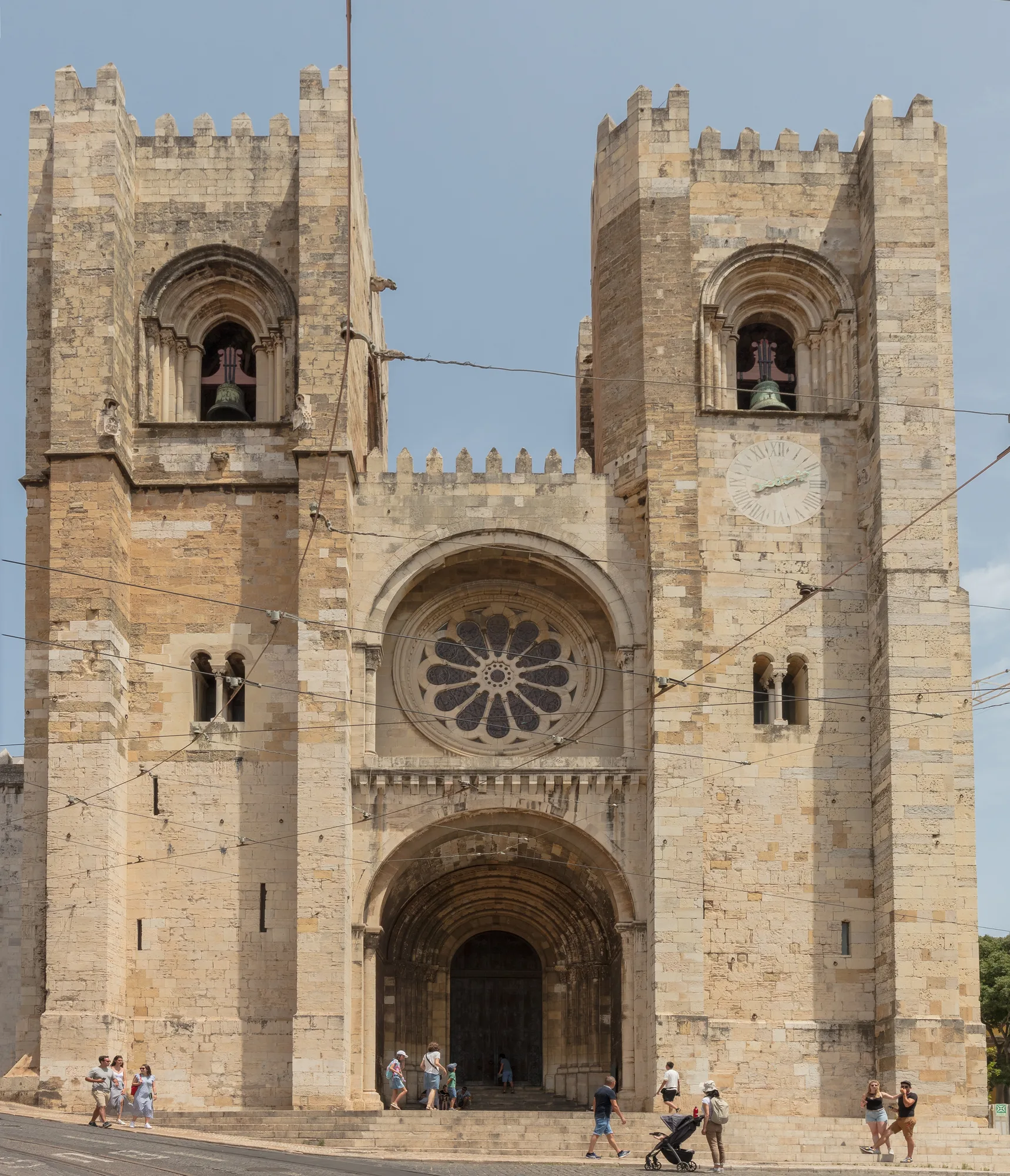
What Alfama actually does well (the dishes to look for)
Alfama’s kitchens are small, and the cooking is honest rather than fancy. This is grilled-fish, salt-cod and comfort-food territory: sardinhas assadas (grilled sardines, at their best in the warm months), bacalhau in its many guises, caldo verde (kale-and-potato soup with a slice of chouriço), and pork-and-clams. You’ll also find amêijoas à Bulhão Pato — clams in garlic, olive oil and coriander — which is one of the easiest, most rewarding things to share.
Because the neighbourhood is so tied to fado, several places combine dinner with live music. Those rooms can be magical, but the food is rarely the headline — go for the song and treat the meal as a backdrop. If you want the food to be the point, eat earlier at a plain tasca and keep fado as a separate, later experience.
Sardines deserve a seasonal note: they are a summer thing, peaking around the June festivals (the Santos Populares), when grills appear on the streets and the whole city smells of them. Outside summer you can still find them, but a grilled sea bass, dourada (sea bream) or octopus is often the better order. As anywhere on the coast, ask what came in fresh that day.
- Reliable orders: grilled fish of the day, bacalhau, caldo verde, clams.
- Sardines are a summer speciality (peak around the June Santos Populares).
- Fado-dinner rooms: go for the music; keep food expectations simple.
- Share a couvert or a couple of petiscos to start — it suits the slow pace.

Practical Alfama eating notes (so the night stays easy)
Alfama is a maze, and that is part of the charm — but it has consequences for dinner. Restaurants can be tiny, the best small ones fill quickly, and the lanes are steep and uneven underfoot. Wear shoes with grip (the cobbles get slick after rain), and don’t plan a long climb back uphill on a full stomach. Eating lower down, nearer the river, makes the walk home gentler.
Many family-run places keep limited hours and may close one day a week, so a quick check or a willingness to have a backup in mind saves frustration — especially on a Sunday or Monday. Cash is still handy at the smallest spots, though cards are widely accepted. And as in any busy, popular district, keep an eye on bags in crowded lanes and on Tram 28, which rattles right through the area.
- Book ahead for the small, well-loved rooms; have a backup for walk-ins.
- Eat lower down if you don’t want a steep post-dinner climb.
- Some family places close a weekday — verify hours before you set out.
- Carry a little cash for the smallest tascas; keep bags secure in crowds.
Alfama anchors: fado houses, kiosks, and the flea-market edge
Alfama's tiny kitchens change often, so pin your evening to things that don't. The neighbourhood's defining meal is dinner at a fado house — a seated dinner-and-song night that is an Alfama institution as a category — and the Museu do Fado, at the foot of the hill, is the daytime companion that explains the tradition. For a drink with a view rather than a full meal, the kiosk-cafés at the Miradouro de Santa Luzia and Portas do Sol serve wine and beer over the rooftops.
On Tuesdays and Saturdays, the Feira da Ladra flea market at Campo de Santa Clara brings food stalls to the neighbourhood's eastern edge — an easy graze between browsing. Beyond these anchors, choose a small tasca by its lunchtime local crowd rather than its sign, and confirm a fado house's booking and hours before building a night around it.
- The Alfama meal: a seated fado-house dinner — book ahead; Museu do Fado is the daytime pairing.
- A drink with a view: the kiosks at Miradouro de Santa Luzia and Portas do Sol.
- Tuesdays & Saturdays: food stalls at the Feira da Ladra (Campo de Santa Clara).
- For a tasca, follow the lunchtime local crowd rather than the name.


