
Quick take
- A week in Lisbon lets you do the classics without rushing.
- Plan for one big day trip (Sintra) and one calm escape (coast or small town).
- Add one modern-contrast day and one slow garden day.
- Repeat your favorite ritual twice: sunrise, sunset, or a café stop.
- Alternate hill-heavy and hill-light days for happier legs.
- A one-week trip is perfect for couples who want romance and variety.
How to use this one-week plan
A full week is the most generous way to do Lisbon. It’s enough time to learn the classic core properly, take two contrasting day trips, taste the modern city, and still keep slow mornings and unhurried evenings. The structure below is a frame: a clear backbone of days you can swap pieces in and out of, rather than a rigid schedule to obey.
The guiding principle is contrast and recovery. Lisbon sits on steep hills above the Tagus, and a week is long enough that pacing genuinely matters — pack too much in and the city’s slopes and heat will catch up with you by mid-week. So this plan alternates: a big day trip is followed by an easier in-city day, a hill-heavy day by a flatter one. That rhythm is what keeps a seven-day trip feeling like a holiday rather than a march.
It’s also built around Lisbon’s light. Golden hour is the city’s best free experience, so most days resolve at a viewpoint or on the riverfront. Give each day one main anchor, a couple of light extras, and a protected evening for sunset and a slow meal — then let the week breathe.
- Days 1–3: the classic foundations (central core, old hills, riverfront).
- Days 4–5: a big day trip (Sintra) + a calmer escape.
- Days 6–7: a modern-contrast day and a slow, gardens-and-cafés finish.
- Alternate heavy and light days; protect evenings for golden hour.
Where to base yourself for a week
Over seven days, a single well-chosen base is far less hassle than moving around — and a week is plenty of time to make one neighbourhood feel like home. Aim for somewhere central enough that day starts are easy and calm enough that you sleep well: the flatter central areas (the Baixa grid, the Avenida da Liberdade area) or the calmer-but-central neighbourhoods such as quieter Chiado streets, Príncipe Real, or Estrela are reliable choices.
Factor in the hills. An Alfama or Graça base is wonderfully atmospheric but often means a steep climb home each night — lovely by day, tiring after dinner. If you love that old-Lisbon character, book it knowing the climb (and keeping a taxi budget for late nights); if you’d rather keep the week effortless, choose flatter ground and visit the hills during the day.
Pick once, settle in, and let the base do quiet work all week: a good location removes friction from every single day.
- Central + flat: Baixa grid / Avenida area — easy on the legs.
- Calm + central: quieter Chiado, Príncipe Real, or Estrela for better sleep.
- Atmospheric but steep: Alfama/Graça — book with the nightly climb in mind.
- One base for the week beats neighbourhood-hopping.


Days 1–3: classic Lisbon foundations
Start with the classic trio: the central core, the old hills, and the riverfront monuments. These days create the ‘Lisbon identity’ that everything else builds on.
It’s also a natural difficulty curve: the flat Baixa/Chiado grid (rebuilt on a clean plan after the 1755 earthquake) is the gentle orientation day; Alfama and Graça are the steep, atmospheric old-Lisbon day; and Belém is the spacious, monument-and-river day. Doing them in this order eases you into the hills rather than throwing you straight up them.
- Day 1: Baixa/Chiado orientation + sunset + easy dinner.
- Day 2: Alfama/Graça hills + viewpoints + fado (optional).
- Day 3: Belém monuments + riverfront light + early night.


Day 4: big day trip (Sintra)
If you only do one ‘wow’ day trip, make it Sintra. Start early, choose fewer stops, and keep the day focused.
- Start early to reduce crowd pressure.
- Choose 2 major stops max for a calmer day.
Day 5: calm escape (choose one)
A week in Lisbon deserves a calmer contrast day trip. Choose coast, surf town, or a small-town atmosphere — depending on your mood.
- Option A: Cascais for an easy beach and promenade day.
- Option B: Ericeira for surf-town energy and ocean air.
- Option C: Óbidos for a walled-town, slow-walk day.
Day 6: modern Lisbon contrast day
Modern Lisbon is your ‘space day’: wide promenades, modern architecture, and easy movement. It’s perfect after day trips and hill days.
- Parque das Nações: modern waterfront promenades and a calmer pace.
- Beato/Marvila: creative warehouses and tastings.
Day 7: slow Lisbon (gardens, cafés, final sunset)
Your final day should feel like a love letter: slow streets, one last pastry, one last viewpoint, and enough time to actually notice the city.
- Choose a garden neighborhood: Príncipe Real / Estrela / Lapa.
- Do one final dessert stop and one final sunset.
Choosing your two day trips (the pairing strategy)
A week is the perfect length for two day trips — but the trick is to pair them by contrast, not to do two of the same thing. The first should be the big-ticket one: Sintra, a UNESCO-listed landscape of palaces and forested hills reachable by a short CP train from central Lisbon. It’s the most spectacular and the most crowded, so start early, pick just two or three stops, and treat it as a full, focused day.
The second should be a deliberate change of gear. If Sintra is dramatic and busy, choose something calm: Cascais for an easy beach-and-promenade day, Óbidos for a slow walled-town wander, or a coastal town like Ericeira or Setúbal for sea air and seafood. The contrast is what makes both days feel fresh — two intense palace days in a row would blur together.
Don’t do day trips back to back if you can help it. Slot an easy in-city day between them so the week has a heartbeat: out, rest, out, rest.
- Trip 1 (the big one): Sintra — palaces and forest, by CP train; start early.
- Trip 2 (the contrast): Cascais (coast), Óbidos (walled town), or Ericeira/Setúbal (sea + seafood).
- Avoid two big trips in a row — put a calm in-city day between them.
- Match the second trip to your mood: rest, coast, nature, or small-town charm.
Getting around for a week (city + day trips)
Across a week you’ll combine three things: walking the neighbourhoods, riding transit between them, and taking trains and ferries for trips out. The metro is the city backbone for crossing town and skipping climbs; it runs roughly 06:30–01:00 (verify current hours). Buses, trams, the funiculars (Glória, Bica, Lavra), and the Santa Justa lift handle the specific hills. The famous Tram 28 is best as a short scenic ride rather than transport — it gets crowded and pickpocket-prone, so ride it early or just walk the route.
For the day trips, CP trains serve Sintra and Cascais, and the Transtejo/Soflusa ferries cross the Tagus to Cacilhas/Almada if you want a river outing (with Cristo Rei on the far bank). A reusable transit card is worth it for a week — load it and forget about tickets. And keep one habit all week: plan your last ride home before a late night, especially if your base is uphill.
- Metro ~06:30–01:00 (verify) is the cross-city backbone.
- Funiculars and the Santa Justa lift help with hills; Tram 28 is a scenic ride, not reliable transport.
- Day trips by CP train (Sintra, Cascais); ferries cross the Tagus for a river day.
- Get a reusable transit card for the week and plan late-night returns ahead.
 Getting aroundThe full transit + walking strategy across the city.
 Lisbon → Sintra trainHow to start the big day trip smoothly.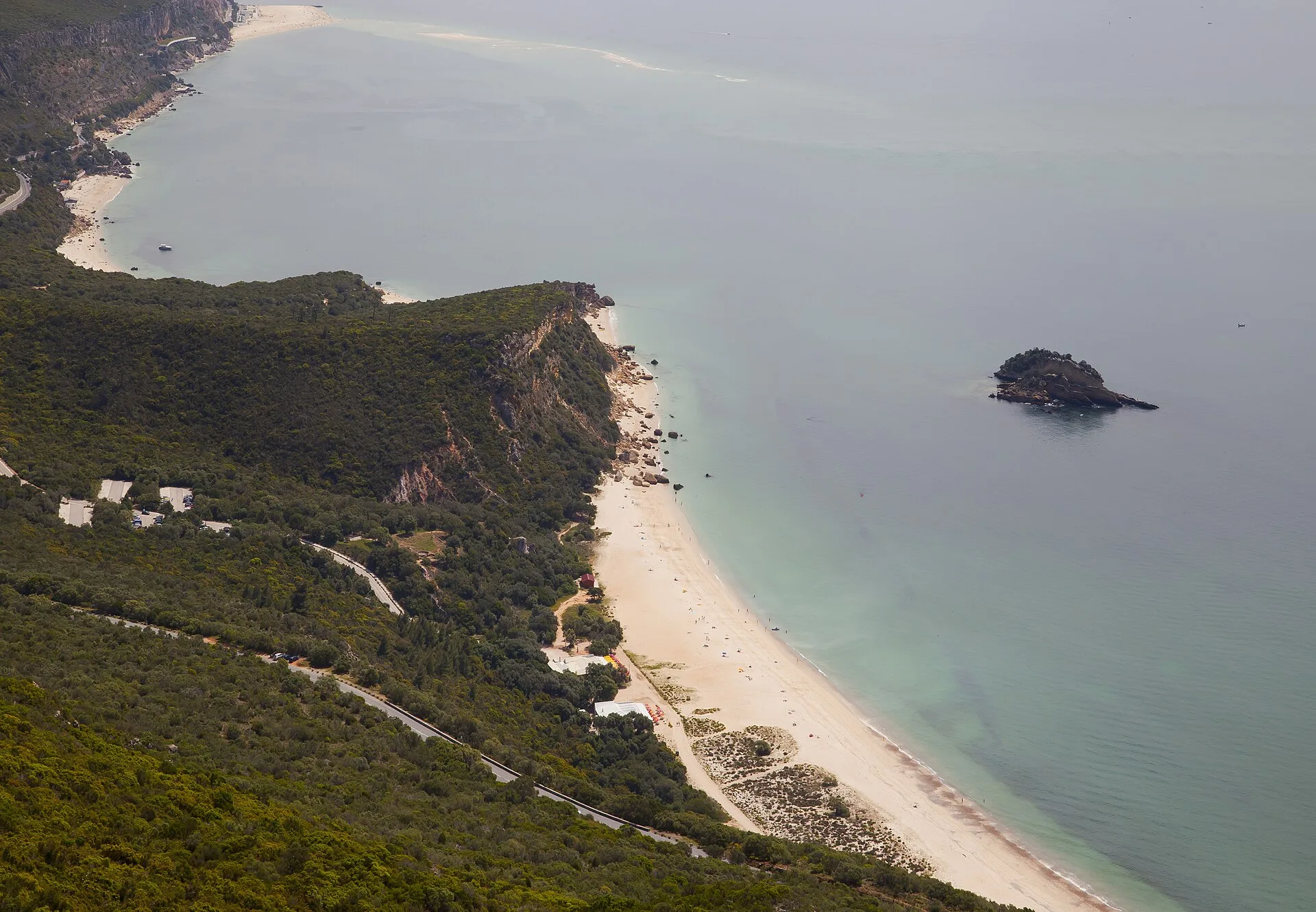
Eating across a week (a sustainable food rhythm)
A week is long enough to eat badly out of fatigue if you don’t set a rhythm — so give it one. Make lunch the easy, local, good-value meal (a tasca prato do dia is the reliable move) and reserve a handful of dinners for something intentional: petiscos to share, a seafood night, a wine-bar evening. Spreading the special meals out keeps them special instead of exhausting.
Fold in the small rituals that make Lisbon Lisbon: a pastel de nata with a strong espresso as an afternoon pause, a tiny ginjinha to end a night, a market lunch on a lighter day. On day trips, lean into the local speciality — seafood by the water in a coastal town, a sweet in Sintra. The food becomes part of the trip’s memory rather than just fuel.
- Lunch local and easy (tasca prato do dia); save dinners for intentional meals.
- Spread out the special dinners — petiscos, seafood, a wine night.
- Keep the rituals: a nata + espresso pause, a ginjinha to close an evening.
- On the coast, eat the seafood; in Sintra, have a local sweet.

Tickets, passes, and a few practical notes
Over a week you’ll see a fair few paid sights, so a little planning saves a lot of queuing. The big draws — Jerónimos Monastery and Belém Tower in Belém, the castle on its hill — build long lines in peak season; pre-booked timed entries or simply going early or late make a real difference. Opening days and hours change, and some sites close one day a week, so a quick check on the official sites pays off.
A Lisboa Card can be worth it if you cluster several paid interiors and transit into one structured day (Belém is the classic example), but it’s less compelling if your week is mostly walking, viewpoints, and cafés. Be aware that some museums cycle through renovations — the National Tile Museum and the Gulbenkian’s Founder’s Collection have both had recent closures with reopenings expected in 2026 (the Gulbenkian gardens and CAM stay open) — so check official status before building a day around a particular interior.
- Pre-book or go early for Jerónimos, Belém Tower, and the castle in peak season.
- Some sights close weekly, so opening days and hours are worth confirming officially.
- Lisboa Card pays off on a clustered ‘card day’; less so on slow days.
- Check renovation status (Tile Museum, Gulbenkian Founder’s Collection) before relying on a specific interior.
One-week Lisbon FAQ
The questions that come up most when planning a seven-day Lisbon trip, answered briefly.
- Is a week too long for Lisbon? No — with two day trips and slow days, a week is comfortable and rewarding.
- How many day trips fit in a week? Two is ideal: one big (Sintra) and one calm contrast day.
- Do I need a car? No. Trains, ferries, and city transit cover this entire plan.
- Can I add the coast and a small town? Yes — that variety is exactly what a week is for.
- Biggest mistake to avoid? Over-scheduling and stacking hills or day trips back to back. Build in recovery days.
Swaps and alternatives (tailor the week)
Seven days is the length where you can really make the trip your own. The backbone — foundations, two day trips, a modern day, a slow finish — stays the same, but almost every piece can be swapped to match your interests and the weather. Keep the rhythm (alternate heavy and light, end at golden hour) and change the rest freely.
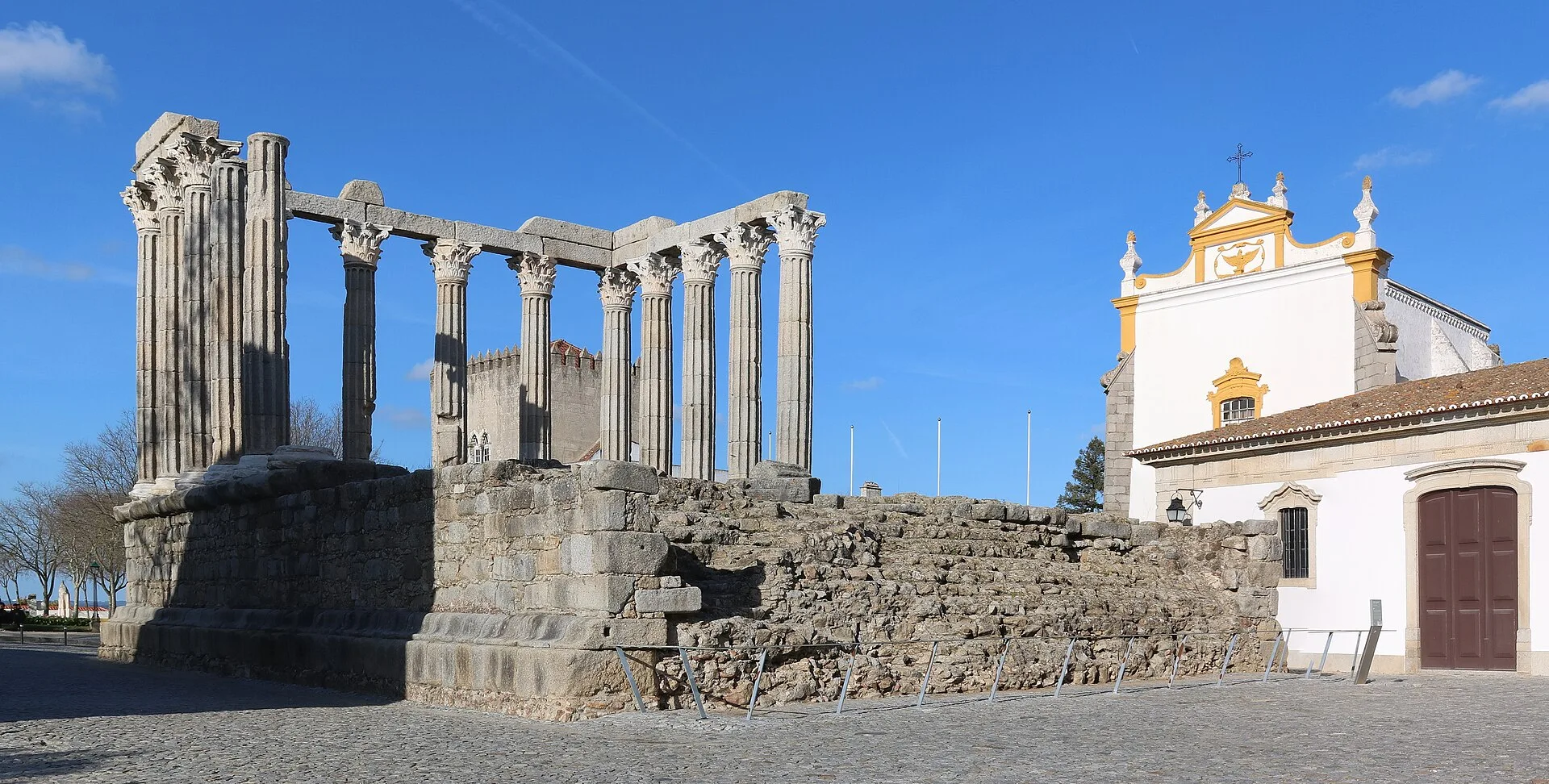
On the day trips, mix and match by mood: Sintra for palaces, Cascais for easy coast, Óbidos for a walled town, Ericeira for surf-town air, Setúbal or Sesimbra for seafood and sea, or Évora for deeper history if you want a longer outing. For the modern day, Parque das Nações is the spacious, easy choice while Beato and Marvila bring a creative, warehouse-district energy. And if you’ve done the headline sights before, trade a foundation day for hidden gems, street art, or a market crawl — a week is plenty of room to go beyond the postcard.
- Day-trip menu: Sintra, Cascais, Óbidos, Ericeira, Setúbal/Sesimbra, or Évora — pair by contrast.
- Modern day: Parque das Nações (easy) or Beato/Marvila (creative warehouses).
- Seen the classics? Swap a core day for hidden gems, street art, or markets.
- Rainy spell? Front-load tiles, a museum, markets, and long café lunches.
- Couple’s trip? Lean the slow day romantic — fado, wine, sunset.
Best time of year and crowd strategy
Over a full week, the season shapes the whole trip — weather, crowds, and how hard the hills feel. Late spring and early autumn are the comfortable sweet spots: warm but not punishing, with long golden evenings and somewhat thinner crowds than the deep summer peak. Summer is hottest and busiest, which makes the slopes harder work and the famous sights more crowded; winter is quiet and cooler (and wetter), with a cosy, low-season charm of its own.
Across seven days, a steady crowd strategy adds up: hit the big-draw sights and viewpoints early or late, keep the middle of the day for flatter neighbourhoods and unhurried lunches, and start day trips early — Sintra in particular fills fast. Confirm opening days and hours officially as you plan each day. And mind the heat in summer: the hills are far kinder before mid-morning and after the late afternoon, so build the climbing around the cooler edges of the day.
- Late spring / early autumn: the most comfortable windows — warm, long evenings, calmer.
- Summer: hottest, busiest; do hills and big sights early/late and rest midday.
- Winter: quiet, cooler, wetter, but cosy and uncrowded.
- Start day trips early (Sintra especially); verify opening days/hours as you go.


